Get Full Government Meeting Transcripts, Videos, & Alerts Forever!
Get email alerts on the Unemployment Insurance topic
No spam. Unsubscribe anytime.
Idaho Department of Labor requests $7.33 million in dedicated‑fund authority as federal UI grant support declines
Summary
The Idaho Department of Labor asked the committee for increased spending authority from its dedicated funds to sustain unemployment insurance operations as federal pandemic funding and federal grants decline; lawmakers pressed the director for staffing, trust‑fund and program metrics.
The Joint Finance‑Appropriations Committee heard the Idaho Department of Labor outline fiscal 2026 requests and explain how recent federal grant declines affect the department’s approach to staffing and unemployment‑insurance (UI) operations.
Why it matters: The department administers unemployment benefits and sets processes that affect employers’ taxes and claimants’ benefits. Lawmakers probed whether the department should shift operations to state‑dedicated funds when federal grant support declines, and what the long‑term staffing and trust‑fund risks are.
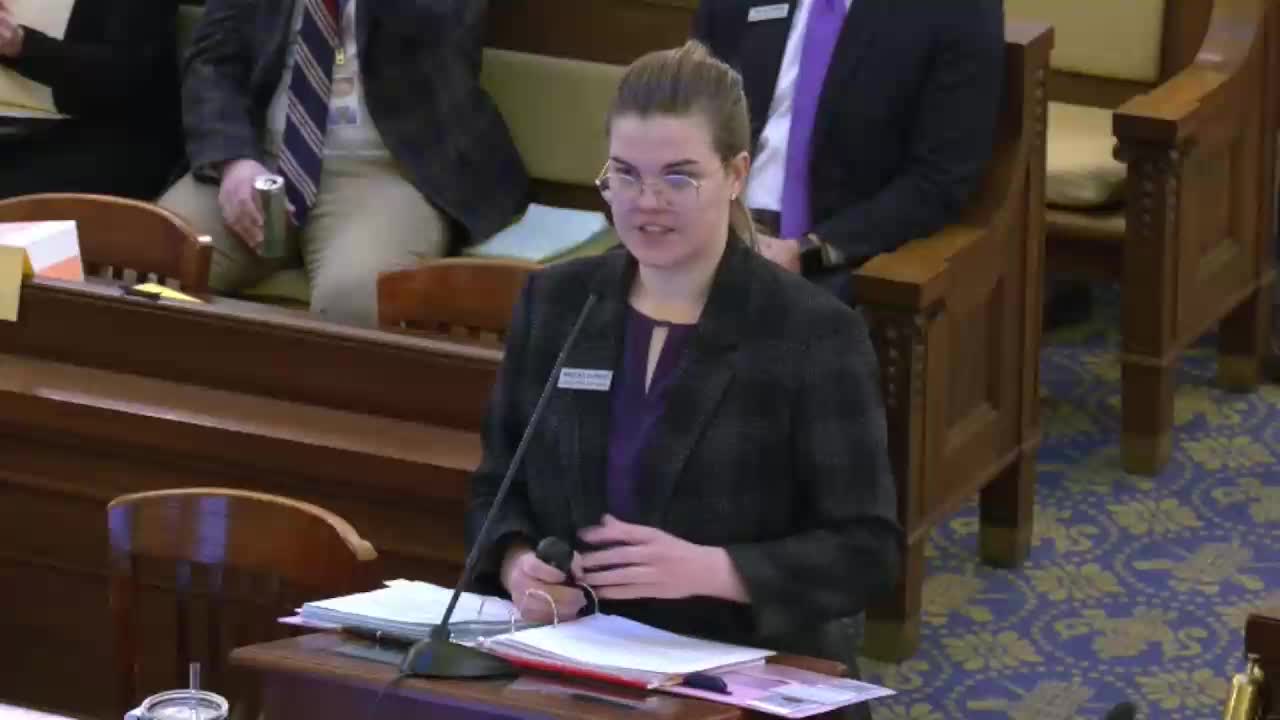
What the department proposed: Director Janie Rivera told the committee the department requests $7,330,000 in additional spending authority—drawn from dedicated funds, not general fund—to maintain UI operations as federal pandemic and grant dollars decline. The department said it does not seek additional permanent general‑fund dollars for UI. The request is described as a cushion while federal grant levels remain uncertain.
How funds would be used: Rivera said the money would be used to continue existing staff and office operations for determinations, appeals and compliance, rather than to create a new staffing layer. During the pandemic the department added more adjudicators and claims staff; the requested authority would allow the department to shift staff funding from expiring federal grants to dedicated funds to keep core operations running.
Trust fund and cash transfer details: The agency’s consolidated‑fund analysis shows an estimated ending balance (without legislative action) in the employment security fund and a proposed inter‑fund cash transfer of $4,868,600 from the unemployment penalty and interest fund to the employment security fund to correct an earlier accounting transfer. The department described its unemployment trust fund as solvent and large enough to handle recession‑level benefits in current projections, noting the fund is continuously appropriated; if a trust‑fund shortfall occurred historically the state could borrow from the federal government or issue bonds.
Lawmakers’ questions and requested follow up: Senators asked for more granular numbers about how salary savings and FTP adjustments have been used, how staffing levels fluctuate between baseline and recession response, and whether federal grant calculations use national or state unemployment rates. Rivera offered to provide staff counts, historical staffing fluctuations by function, and a fact sheet on UI benefits and tax calculations. Senator Cook and others asked the department to provide documentation showing the department’s baseline staff numbers and the pandemic peak for comparison.
Policy details explained: Rivera summarized how UI duration and benefit calculations work in Idaho and noted statutory limits determine the maximum weeks of benefits tied to unemployment rates. She said the statutory duration is indexed (ranges discussed in testimony) and that the department will bring legislative language this session to consolidate rules into statute for clarity.
Ending: The committee heard detailed explanations and asked for follow‑up data. There was no formal vote during the presentation; committee members requested additional documentation on staffing, historical expenditure of federal grants, and specifics of the proposed cash transfer.