Get Full Government Meeting Transcripts, Videos, & Alerts Forever!
Get email alerts on the Judicial Branch Budget topic
No spam. Unsubscribe anytime.
Idaho courts press for judges, finish court‑technology cybersecurity upgrades and outline ARPA spending
Summary
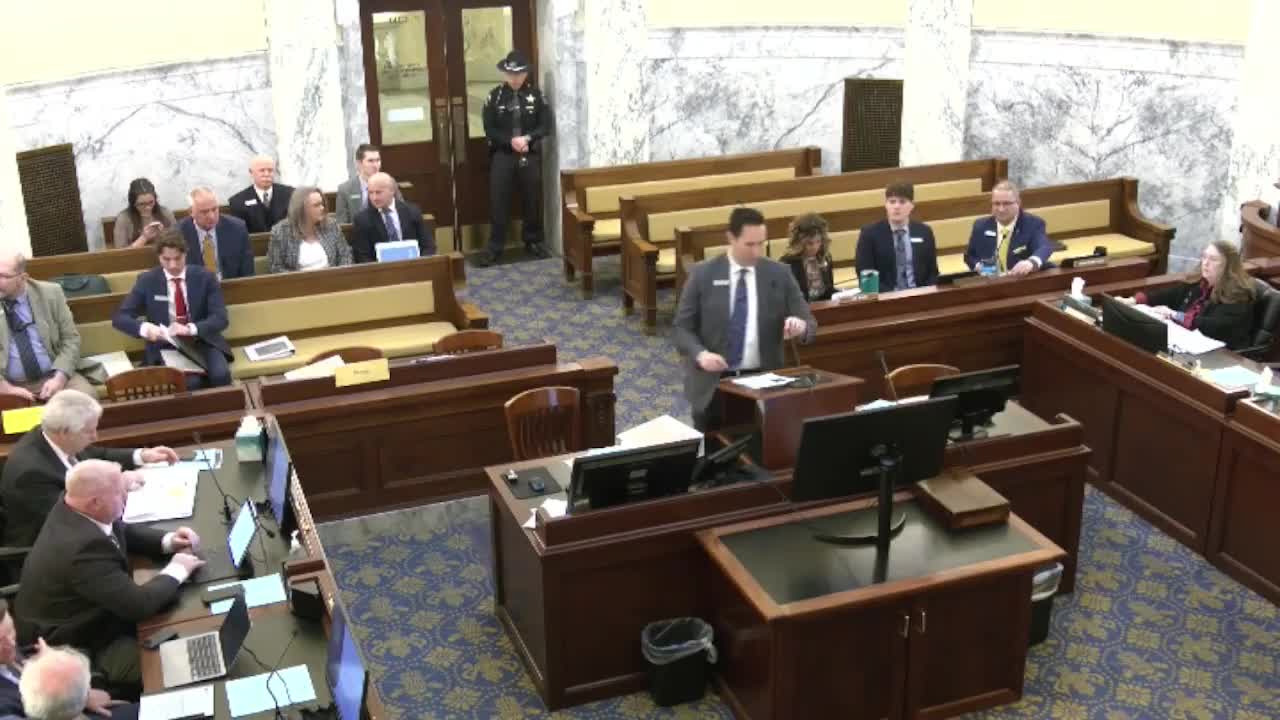
Judicial Branch leaders told the Joint Finance Preparation Committee on Jan. 23 that a multi‑year technology modernization and cybersecurity program is underway and that the courts continue to press for additional judges to address rising caseloads and travel burdens.
Judicial Branch leaders told the Joint Finance Preparation Committee on Jan. 23 that a multi‑year technology modernization and cybersecurity program is underway and that the courts continue to press for additional judges to address rising caseloads and travel burdens.
Keith Bybee, division manager for budget policy analysis, reviewed the Court Operations budget and noted a governor’s placeholder of a 5% judicial compensation adjustment while the judiciary’s own compensation request totals about $10.2 million. Bybee also described a set of judge‑related requests the Supreme Court may pursue in separate policy bills: two district judges with court reporters (one for the First Judicial District in Coeur d’Alene and one for the Seventh Judicial District in Idaho Falls) and two magistrate judges (one in Twin Falls and one in Bonneville County). Those judicial additions would require statutory action.
Why it matters: The courts said population growth and increased filings have pushed workload higher; staffing and capital funding decisions affect case processing times, access to local judges and cybersecurity protections for court records and personal data.
Court technology and cybersecurity: Administrative Director of the Courts Sarah Omanson said the courts began an infrastructure modernization in 2020 after reviewing cybersecurity incidents in other states and assessing risks to court records. The work has included implementing multi‑factor authentication, rolling out Office 365 for court business, and building a state court network in courthouses to limit exposure of court systems to unprotected county networks. Omanson said about 80% of the Office 365 rollout is complete and that the courts have obligated the ARPA funds awarded for the project.
“We started really focusing on cybersecurity,” Omanson told the committee. “We are telling the counties we’re going to come into your court houses and we’re going to install our network.” She said counties have options — use state‑managed laptops on the state network or access court systems from county machines via a cloud hosted desktop — but that the change is complex for some local offices.
Bybee told the committee that collections to the Court Technology Fund were up about 29% year‑over‑year, driven largely by increased filings and related fees, and that the courts carried a working cash balance of about $18.8 million heading into the 2026 budget cycle. The Judicial Branch received about $19.9 million in ARPA State Fiscal Recovery funds for court technology work; roughly $16 million of related obligations are included as reappropriation in the maintenance bill to fund continued contracts and hardware rollouts.
Judges and workload: Omanson described operational pressures motivating requests for judges and magistrates. She said there are 249 available workdays per calendar year (52 weeks × 5 days minus 11 state holidays) and gave the committee county‑level workload examples: in Twin Falls, magistrates opened about 1,773 cases per judge per year and judges there hold as many as 24 hearings in a week; in Bonneville County magistrates opened about 1,539 cases per judge per year and judges lose about 67.5 workdays annually to travel from remote counties in the Seventh Judicial District.
“It has been 35 years since Twin Falls received a new magistrate and they need one,” Omanson said. She warned of a longer‑term staffing risk: “We’re in trouble. That’s reality of it,” referring to fewer applicants with private‑practice experience for judgeships and several recent retirements. She told the committee that seven judges announced retirements since July 1 and that the number of applicants for judicial openings has fallen compared with five years ago.
Vendor and case‑management systems: Omanson said the state currently uses Tyler Odyssey for case management (a system many other states also use) and that the court will issue a request for information (RFI) to survey current vendor options; she emphasized the RFI is exploratory and that the current Tyler contract is still in an early stage of a multi‑year term. The courts also said they expect an attorney portal (attorney access to case records and documents) to go live within about 30 days for licensed attorneys and their delegates.
Committee questions and next steps: Committee members pressed the courts for a clearer breakdown of ARPA‑funded work, the status of cloud migrations and county impacts. Omanson said every ARPA dollar is currently obligated to contracts or work orders and that the largest remaining work — wiring courthouses and deploying hardware — is expected to continue through the end of 2026. She agreed to provide details about outstanding contracts, obligations and hiring shortfalls tied to pay scales in the prior appropriation. Bybee and Omanson also noted that separate policy bills will be required to change judicial compensation or to create new judgeships.
No formal votes occurred during the hearing; the committee received the branch’s budget presentation and requested additional documentation on the technology contracts, reappropriations and the courts’ remaining implementation timeline.