Get Full Government Meeting Transcripts, Videos, & Alerts Forever!
Get email alerts on the Appellate Defender Budget topic
No spam. Unsubscribe anytime.
State Appellate Public Defender seeks new deputy post, cites rising caseload and contracting costs
Summary
The Idaho State Appellate Public Defender asked the Joint Finance-Appropriations Committee for a funded deputy position to absorb non‑capital appeals, saying contracting overflow cases costs more than hiring in‑house counsel.
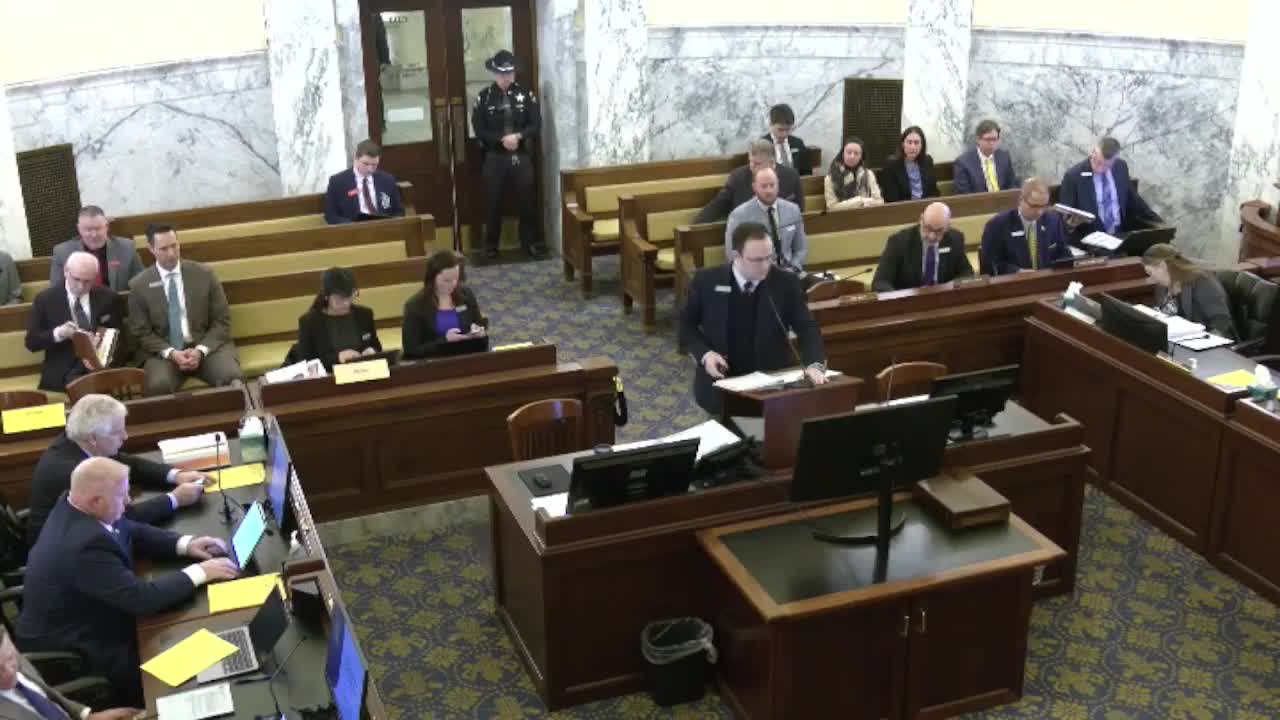
The Idaho State Appellate Public Defender told the Joint Finance-Appropriations Committee on Oct. 24 that the office requests a funded deputy position for fiscal year 2026 to handle non‑capital felony, misdemeanor and juvenile appeals as caseloads have risen since the pandemic.
Budget and policy analyst Christopher Lahoset of the Legislative Services Office said the appellate office has 26 authorized full‑time positions and no vacancies as of Dec. 15, with personnel accounting for about 85% of expenditures. He said the office is requesting one new attorney post because continuing to contract overflow work is more expensive: contracting overflow cases generates roughly $254,000 a year in outside fees whereas hiring an in‑state attorney at about $140,000 annually would yield savings.
The proposal would make that attorney the 13th member of the appellate unit, spreading the office’s roughly 650 cases (current fiscal year estimate) among more in‑house staff, Eric Leighton, State Appellate Public Defender, told the committee. “We sort of tailor the caseload to that attorney” based on experience, Leighton said, describing training for less experienced attorneys and internal case assignment practices.
Why it matters: Lahoset also reminded the committee that the office received a one‑time legislative supplemental in 2023—about $1.3 million—to cover an influx of cases; roughly $1,259,000 remained available and had been reappropriated but is not part of the base budget. The appellate office told the committee salary savings historically have funded some contracting, but those savings are not guaranteed year to year and contracting “is more expensive to contract cases out than to handle them in house,” Leighton said.
Committee members asked about turnover and how contracting interacts with conflicts of interest. Leighton said conflict appointments must always go to outside counsel and the office maintains roughly $200,000 annually earmarked for conflict cases. In the past 18 months the office sent about 14 overflow cases to outside counsel. He told the panel that recruitment has been difficult but the office was fully staffed at the time of testimony, though the office administrator was planning to leave.
The transcript and budget materials presented to the committee showed the appellate office’s five‑year average personnel appropriation is about $2.8 million and that personnel utilization was roughly 95% of that appropriation in recent years. Lahoset noted larger appropriations in 2023 and 2024 following the supplemental and subsequent reappropriation of unspent funds.
The office concluded its presentation and said it would stand for questions. No formal committee action or vote on the position was recorded in the hearing transcript.