Get Full Government Meeting Transcripts, Videos, & Alerts Forever!
Get email alerts on the Mental Health Substance Use Rules topic
No spam. Unsubscribe anytime.
Idaho Senate committee sends proposal to codify existing mental-health and substance-use rules to print
Summary
A Senate committee voted to send RS31829 to print; the proposal would move existing Department of Health and Welfare rule provisions for children's mental health, adult mental health and substance use disorder services into Idaho law without changing services.
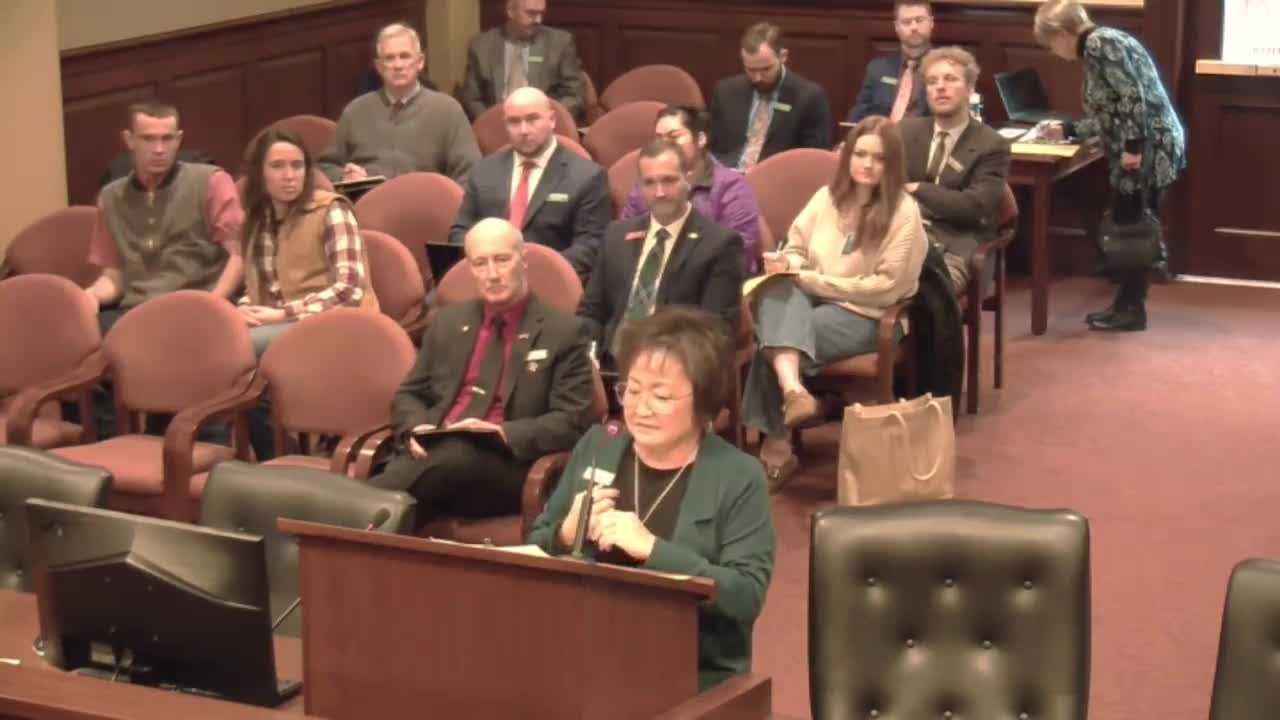
A Senate Health and Welfare Committee voted to send RS31829 to print after a presentation by Sen. Julie Van Orden, who said the proposal would transfer three sets of Department of Health and Welfare rules into statute without increasing or decreasing services.
The measure would move definitions and eligibility-screening requirements for children’s mental health services (cited in the presentation as Idaho Code chapter 16, chapter 24), adult mental health services, and substance use disorder services from administrative rules into Idaho code, and would repeal the corresponding rule chapters effective July 1, the same day the statutory provisions would take effect. "It doesn't increase or decrease services to anybody. It only moves existing program regulations into statute," Van Orden said.
In committee, no substantive questions were raised after the presentation. Senator Blaylock moved to send RS31829 to print; Senator Lehi seconded. The motion carried on a voice vote.
Committee members and staff indicated the change is procedural in nature—shifting program requirements from administrative rulemaking into statute so the Legislature can address them directly—rather than a change to program benefits or eligibility. Van Orden said the first two sections would move definitions and screening requirements into statute, and the bill would repeal the three rule sets when the statutory language takes effect.
The committee did not record a roll-call tally; the motion passed by voice vote. The sponsor asked the committee to send the RS to print and stood for questions, none of which were asked.