Get Full Government Meeting Transcripts, Videos, & Alerts Forever!
Get email alerts on the Persi Pension Fund topic
No spam. Unsubscribe anytime.
PERSI reports 9% recent return, 87% funded ratio and seeks software‑upgrade funding
Summary
At JFAC, the Public Employee Retirement System of Idaho (PERSI) reported about a 9% investment return during recent recovery years, an 87% funded ratio, a 10.7‑year amortization period and a FY2026 request including another year of pension‑system software upgrade funding.
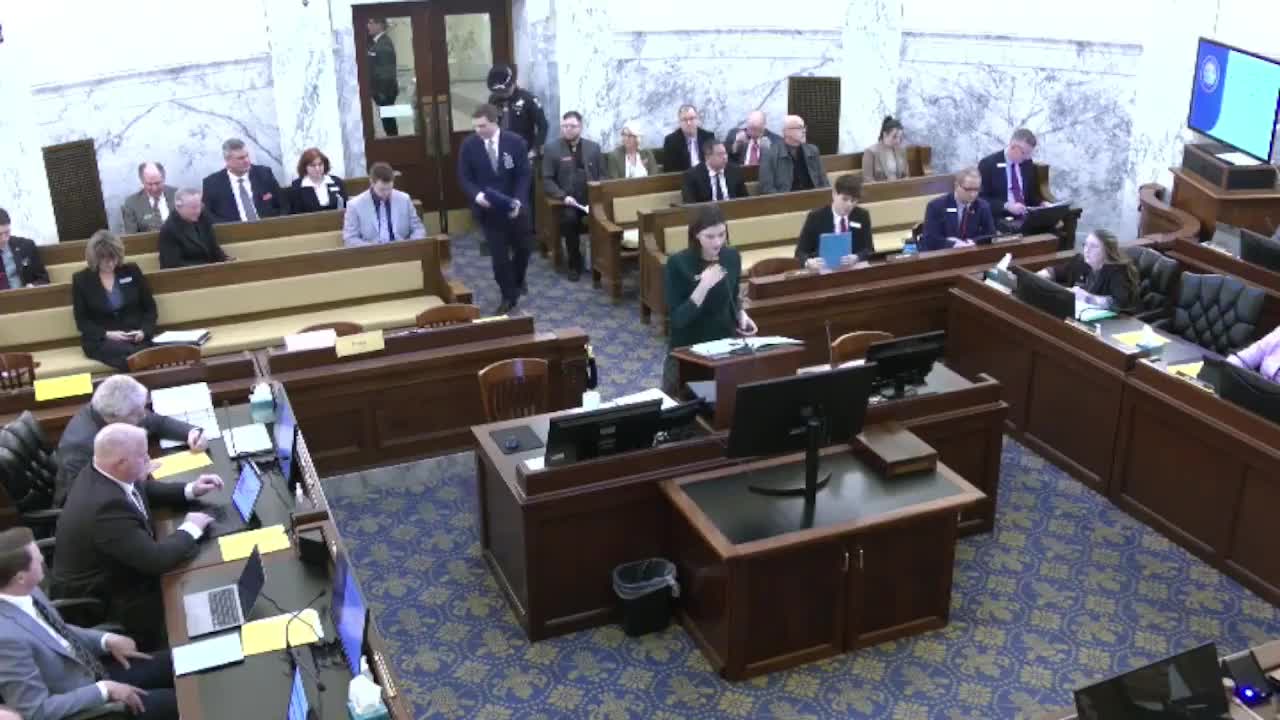
Legislative analysts and PERSI leadership briefed the Joint Finance‑Appropriations Committee on the retirement system’s finances, staffing and a multi‑year pension software upgrade the agency is continuing to fund.
Frances Lippitt, a budget and policy analyst with the Legislative Services Office, summarized PERSI’s organizational structure, noting the system administers a defined‑benefit plan and a defined‑contribution option and is governed by a five‑member retirement board appointed by the governor. Lippitt said PERSI has authorization for 81 full‑time positions across offices in Boise, Pocatello and Coeur d’Alene, an average personnel appropriation of about $6,200,000 and a continuously appropriated pension‑payment stream that totaled about $245,900,000 in recent years.
Director Mike Hampton told the committee the plan returned about 9% in the most recent year of recovery following the 2022 market correction and that the fund ended the year with roughly $22,000,000,000 in assets covering about 185,000 members. Hampton said the funded ratio at the end of last fiscal year was about 87% and that the plan’s current amortization period is roughly 10.7 years.
Why it matters: The funded ratio and amortization period inform the system’s long‑term sustainability and decisions about contribution rates. Hampton told the committee the board balances member benefit decisions against preserving the fund’s ability to meet obligations without imposing undue costs on employers or future members.
Software upgrade and budget requests: Lippitt said the agency is in year four of a multi‑year pension software upgrade that totaled $12,000,000 over five years; PERSI requested $3,000,000 in FY2026 for year four of the upgrade, along with IT hardware and other one‑time items. Hampton told the committee maintenance costs for the current system are already budgeted and that he expects maintenance costs to remain similar after the upgrade is complete.
Cost‑of‑living adjustment (COLA) process: Vice Chair Woodward and Senator Wintrow asked about post‑retirement adjustments. Hampton explained that Idaho’s post‑retirement allowance adjustment is automatic at 1% when CPI‑U conditions are met and that the board recommended an additional 0.3% retroactive payment back to 2020; if the legislature approves the recommendation, the total increase for the year would be 1.3%.
Staffing, turnover and operations: Lippitt said PERSI’s five‑year average authorization is 81 FTP, typically about 89% filled, with a 10% vacancy rate and about a 24.6% turnover rate in FY2024. The agency said personnel costs are the majority of its appropriated expenditures and that a recent legislative enhancement added nine positions to improve member services.
No formal vote was recorded at the hearing. PERSI’s director thanked the committee and emphasized the agency’s operational workload, including thousands of phone calls, tens of thousands of processed workflows and ongoing member outreach via a new member portal launched after the software upgrade’s first phase.