Get Full Government Meeting Transcripts, Videos, & Alerts Forever!
Get email alerts on the Appropriations Law topic
No spam. Unsubscribe anytime.
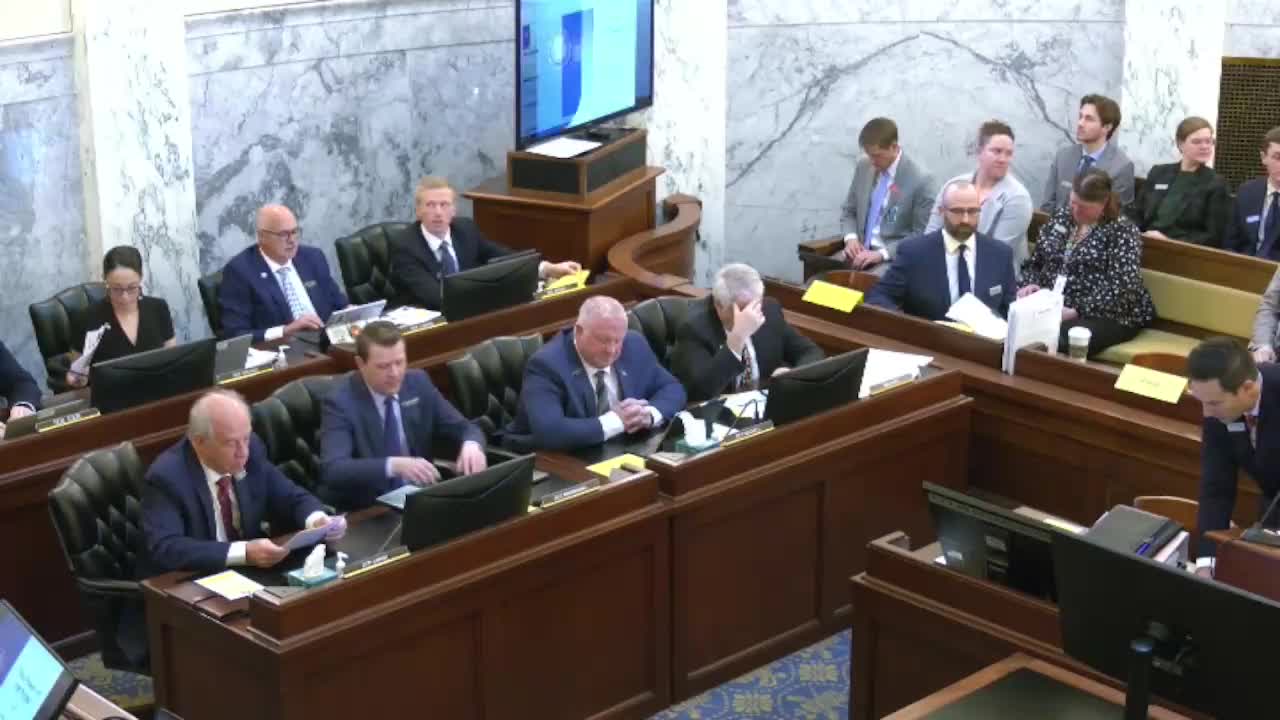
Legislative counsel briefs JFAC on constitutional appropriation powers and limits
Summary
Legislative legal counsel reviewed the constitutional basis for the legislature’s appropriations authority, the Idaho Code chapters that govern budget procedure and the narrow limits on executive veto powers over appropriation conditions.
Elizabeth Bowen, legislative legal counsel for the Legislative Services Office, told the Joint Finance‑Appropriations Committee that the legislature’s authority to appropriate state funds derives from constitutional principles and long‑standing case law and is subject only to those limits stated in law.
Bowen summarized the legal foundation: the U.S. Constitution’s guarantee of a republican government and Idaho’s own constitution divide powers across legislative, executive and judicial branches. She cited Idaho constitutional provisions that constrain appropriations—"money can be withdrawn from the state treasury only pursuant to an appropriation made by law," she said—and reminded the committee that appropriation acts are statutes with the same legal standing as other laws.
Why it matters: Bowen told members that the legislature’s power to appropriate is "plenary" within constitutional limits; that means the legislature has wide authority to set spending priorities, subject to the state’s balanced budget provisions (Article 7, Section 11) and other constitutional provisions. She explained statutory designations relevant to the committee: Title 67 chapters addressing JFAC’s duties, the state budget process and the Appropriations Act, and statutes that require agencies to provide receipts and expenditure reports for committee review.
Bowen also reviewed practical limits and procedures. She noted that the governor’s item veto applies only to dollar amounts within appropriation bills and cannot strike conditions that the legislature places on appropriations. Bowen cited a court decision holding that a condition attached to an appropriation is legally binding and cannot be removed by executive veto. She emphasized that restrictions, limitations and conditions written into appropriation language are enforceable and control how appropriated money may be spent.
Committee members asked procedural follow‑ups about transfers and supplemental appropriations; Bowen said agencies may seek transfers through the Board of Examiners for limited cases and that more substantial midyear changes typically require legislative action or, in exigent circumstances, a special session. She closed by pointing members to the relevant code sections and offered staff assistance during appropriation drafting and rulemaking.