Get Full Government Meeting Transcripts, Videos, & Alerts Forever!
Get email alerts on the Appropriations And Procurement topic
No spam. Unsubscribe anytime.
JFAC hears overview of deficiency warrants, supplementals and emergency clause ahead of session work
Summary
Kellen McGurkin briefed the committee on Jan. 7 about deficiency warrants (agency authority to spend limited general fund amounts for specified emergencies), the constitutional emergency clause, and the governor's supplemental recommendations for the current fiscal year.
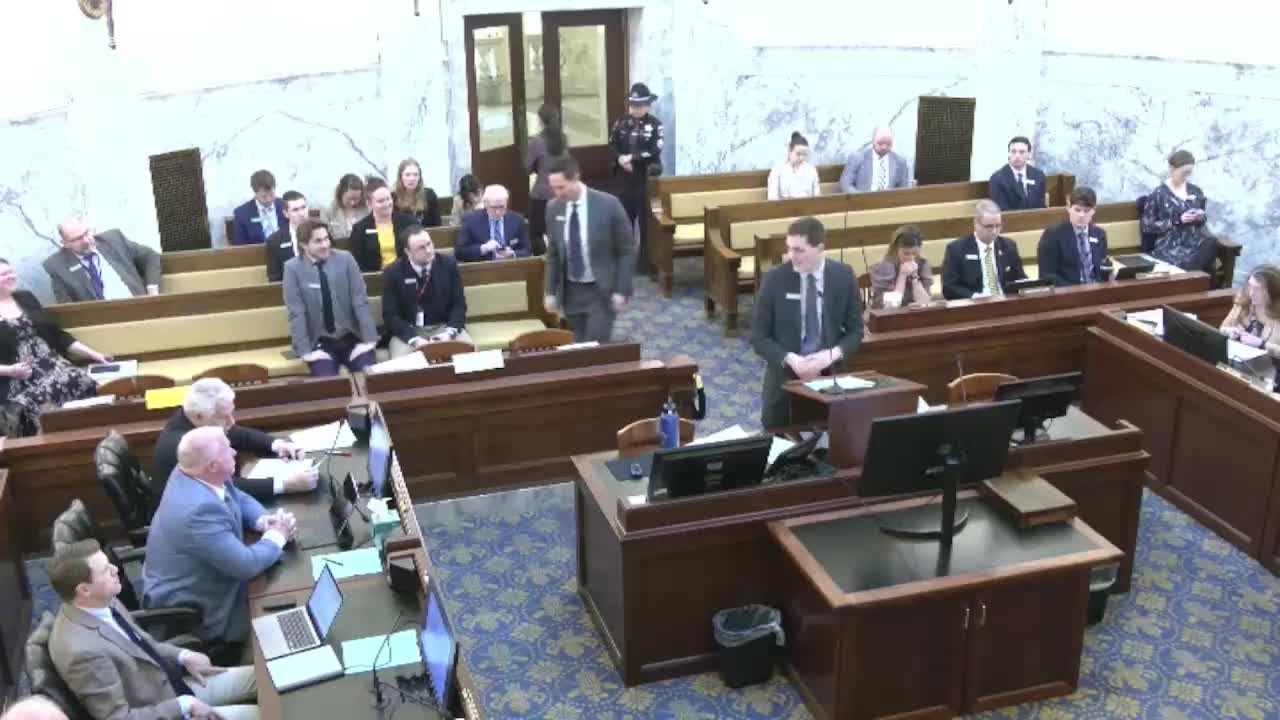
BOISE, Idaho — Kellen McGurkin, budget and policy analyst with the Legislative Services Office, briefed the Joint Finance and Appropriations Committee on Jan. 7 on deficiency warrants, supplementals, rescissions and the constitutional emergency clause that governs when adjustments take effect.
Deficiency warrants
McGurkin said deficiency warrants allow select agencies to spend against the general fund for specified purposes without a prior legislative appropriation; agencies then appear before the committee to receive formal appropriations that zero out the outstanding balance.
“Deficiency warrants allow select agencies to spend monies against the general fund for select purposes as authorized in statute without a prior appropriation,” McGurkin said. Such spending typically covers urgent items the legislature has authorized over time, including dam safety, fire suppression and pest control. The payments are usually first authorized by the Board of Examiners or the Board of Land Commissioners, McGurkin said.
He showed a five‑year trend indicating the total value of deficiency‑warrant requests has risen, with pest control providing much of the growth. McGurkin said more detailed requests for this session will be considered in relevant agency hearings.
Supplementals, rescissions and the emergency clause
McGurkin reminded members that the Idaho Constitution requires action to wait until the end of the fiscal year unless an emergency is declared in the bill preamble. If the committee wants an appropriation adjustment to take effect immediately it must declare an emergency in the bill language.
Unlike deficiency warrants, supplemental appropriations work like ordinary appropriations but adjust the current fiscal year. McGurkin provided the governor’s recommended supplemental totals for the current year: $604,842,000 in total supplemental requests, including $98,776,000 from the general fund. He noted the totals include a proposed $60,000,000 transfer from the general fund to the fire deficiency fund described in the governor’s recommendation.
Procedure and oversight
Members asked how urgent facility repairs would be handled. McGurkin said agencies typically bring such needs as supplemental requests and the committee decides whether an emergency clause is warranted; procurement and purchasing rules may still apply to contracting for repairs. Committee co‑chairs emphasized supplementals should be used for genuine emergent needs rather than routine cost increases the agencies could have included in base budgets.
Ending
McGurkin provided members an account list and said he will present individual deficiency and supplemental requests in agency hearings. The committee will decide which requests require emergency declarations and which can wait until the fiscal year end.