Get Full Government Meeting Transcripts, Videos, & Alerts Forever!
Get email alerts on the Pardons Parole Pay topic
No spam. Unsubscribe anytime.
Pardons and Parole commissioners seek higher pay; agency warns of turnover and unpaid prep time
Summary
The Commission of Pardons and Parole requested a statutory pay increase for commissioners from $300 to $400 per hearing day and replacement laptops; the commission’s new director said commissioners do substantial unpaid preparation time and that planned turnover could exceed half the panel by year’s end.
The Idaho Commission of Pardons and Parole asked the Joint Finance Preparations Committee to support a statutory increase in commissioner pay from $300 to $400 per hearing day and to fund replacement laptops.
Christine Starr, executive director of the Commission of Pardons and Parole, told the committee that commissioners currently are paid only for hearing days and not for the several days of preparation the hearing schedules require. “They’re actually putting in 26 hours of preparation for the five days of hearings that they have, which comes out to about 3.25 days that they're not compensated for,” Starr said, describing the workload tied to each hearing week.
Why it matters: Starr said commissioners make thousands of decisions annually — 6,670 decisions in fiscal 2024 — and that inadequate compensation has been a recurring reason candidates decline appointments. The agency noted commissioners last received a pay increase in 2017; the proposed statutory change would require legislative action.
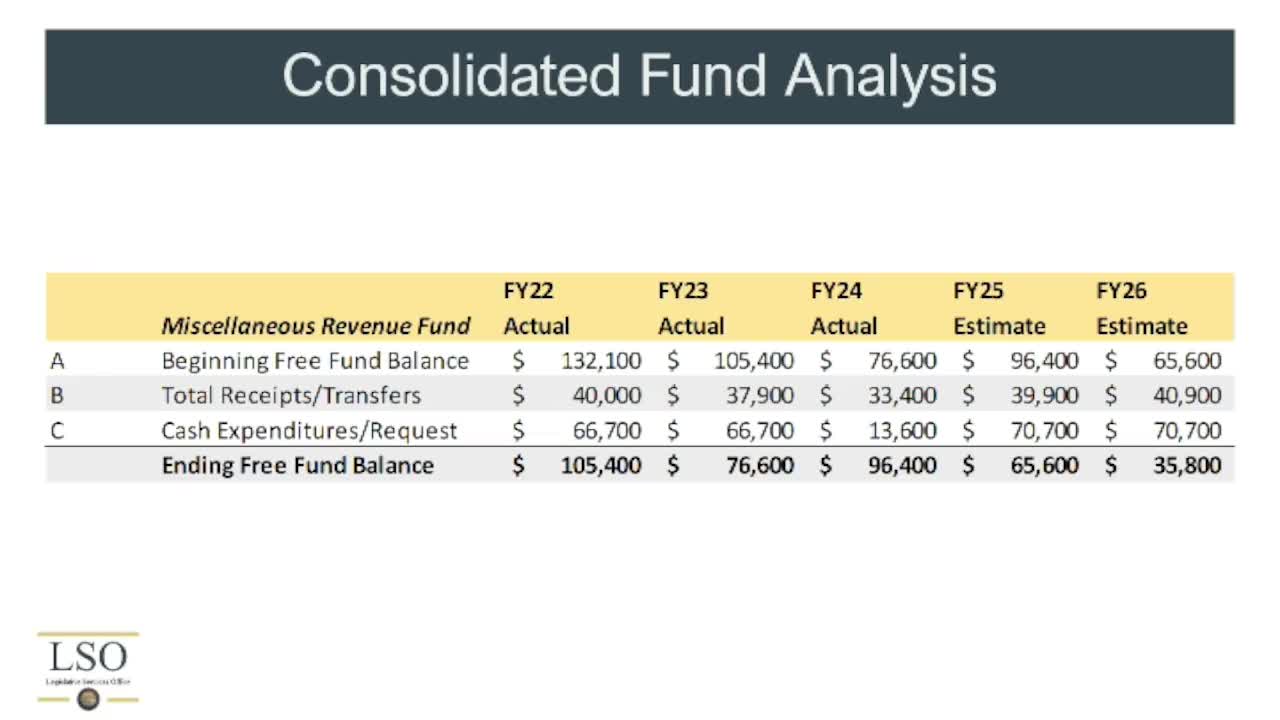
Budget impact: Peterson and agency slides showed the fiscal impact of raising compensation from $300 to $400 per hearing day would be $59,300 as recommended by the governor (the agency requested the full impact but was constrained by Division of Financial Management growth limits in its formal request). The commission also requested nine laptops and replacement items recommended by the Office of Information Technology Services, estimated at $12,600.
Turnover risk: Starr told the committee she expects to lose more than half the commission by December and called the pay request “more of a band aid to a much, much larger issue” of ensuring a trained, functioning commission that can deliver reasoned decisions impacting victims, communities and incarcerated people.
Ending: The committee heard the rationale and workload details and did not take a vote on a statutory pay change. Members suggested the legislature consider whether current payment and scheduling practices provide commissioners the time and compensation needed to perform a high‑stakes decisionmaking role.