Get Full Government Meeting Transcripts, Videos, & Alerts Forever!
Get email alerts on the Business Court Caseload topic
No spam. Unsubscribe anytime.
Georgia statewide business court reports growing caseload, seeks modest recruitment funding
Summary
Judge Bill Hamrick told the House subcommittee the statewide business court’s caseload is approaching comparable peer business courts and requested modest recruitment/retention funds and ongoing budget recognition for filing-fee revenue.
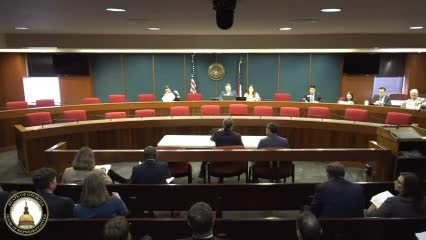
The judge presiding over the Georgia Statewide Business Court told the House appropriations subcommittee on May 20 that the court’s caseload has increased to levels comparable with established business courts and asked for modest recruitment and retention funding and recognition of filing-fee revenue in the FY2026 budget.
Judge Bill Hamrick said the court is handling new filings at a rate similar to North Carolina’s business court when normalized per judge — roughly 38 pending/new cases per judge in the most recent years cited — and that the court has resolved most of the cases that have come before it. He noted the court’s docket includes complex litigation with many parties, claims and discovery disputes requiring numerous hearings.
Budget requests from the business court were limited: a roughly $60,000 recruitment and retention line, the court’s share of the judicial compensation reform request, and an item to recognize some filing-fee funds that have accumulated and are available to pay equipment or supplies. The judge said the court would like its FY2026 compensation request to be consistent and proportionate with the figures the other statewide courts receive.
Committee members asked whether the court’s caseload remains small compared with superior and state court dockets (it does) and whether case complexity justifies additional staff; Hamrick said complexity is by design and that the court handles particularly complex commercial matters that require more judicial time per case. The judge said the court’s current active docket is roughly 27 open matters and that new filings and pending case resolution make the number dynamic.
No formal votes were taken during the testimony; the business court judge said he would accept committee guidance on timelines and proportionality with other statewide funding decisions.