Get Full Government Meeting Transcripts, Videos, & Alerts Forever!
Get email alerts on the Audits And Oversight topic
No spam. Unsubscribe anytime.
Legislative auditors report uncorrected findings, cite gaps in foster-care documentation and travel controls
Summary
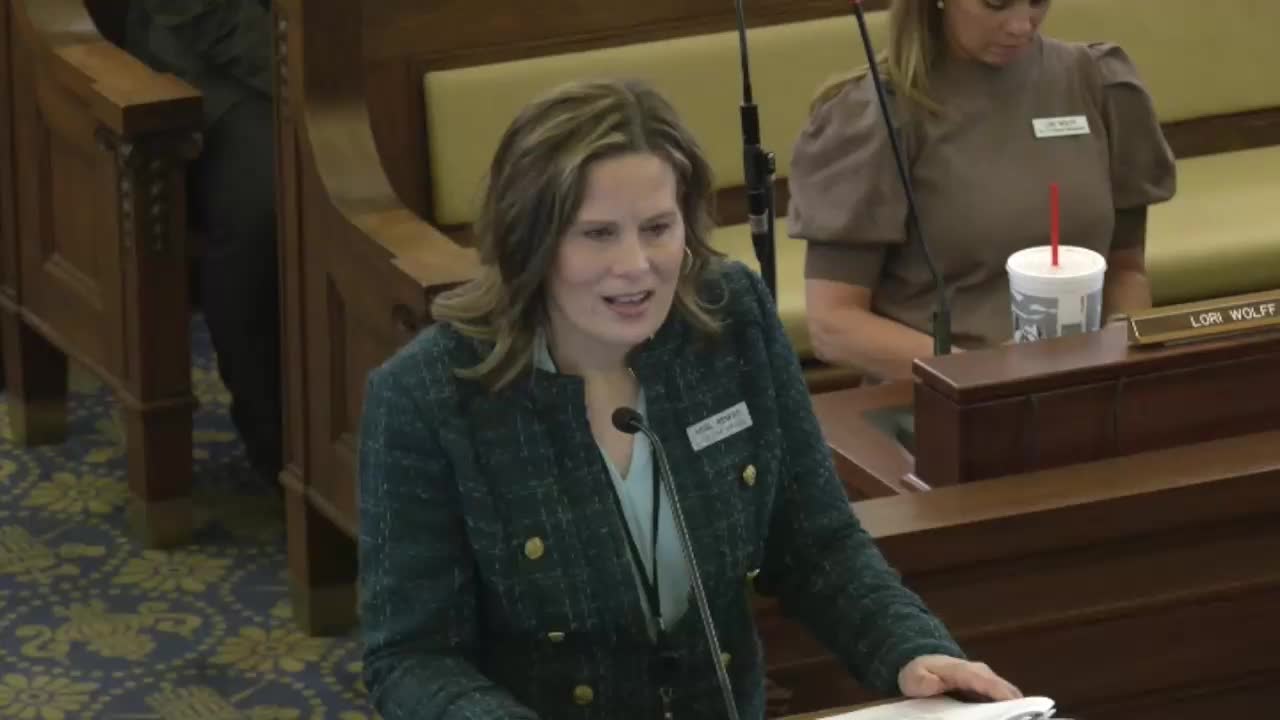
April Renfro of the Legislative Services Office told the Joint Finance and Appropriations Committee on Jan. 7 that most uncorrected audit findings are recent, the office is pursuing follow-up work, and delays in year-end statements tied to a new accounting system are likely to push statewide audits past usual deadlines.
BOISE, Idaho — April Renfro, director of Legislative Audits at the Legislative Services Office, told the Joint Finance and Appropriations Committee on Jan. 7 that the office is tracking uncorrected audit findings across state agencies, and that the bulk of open items are from the current reporting period.
Renfro told the committee the office “currently has 30 financial and IT auditor positions” and that legislative statute authorizes the office’s scope of work. She said the office issues three main types of audit work — the audit of the Annual Comprehensive Financial Report (ACFR), the statewide single audit (which includes the Schedule of Expenditures of Federal Awards), and agency accountability reports — and that agencies must correct findings or face follow-up and possible budget consequences.
Why it matters: Audit findings inform legislative budgeting and oversight. Uncorrected findings can indicate control weaknesses, compliance failures or systemic IT problems that increase the state’s risk of error and improper spending.
Renfro described her office’s follow-up process for accountability reports: an initial visit about 90 days after a finding, then first- and second-annual follow-ups if corrective actions are incomplete. She said findings are classified as corrected, partially corrected or uncorrected depending on whether actions taken actually resolved the deficiency.
“Seventy percent of our uncorrected findings are from the current reporting period,” Renfro said, adding that many of those remain open only because the office has not yet completed follow-up procedures.
Examples and areas of concern
- Department of Fish and Game: Renfro cited an older accountability finding tied to “noncompliance with state travel policy, lack of appropriate internal controls and documentation.” Auditors found missing or incomplete travel vouchers and receipts; after follow‑up the item moved to “partially corrected” and later to “uncorrected” because the agency could not provide testable samples during a systems transition.
- Department of Health and Welfare (DHW): In the FY2023 accountability audit, auditors tested 19 Qualified Residential Treatment Program (QRTP) placements and reported multiple documentation problems. According to the audit summary Renfro presented, 10 of 19 cases lacked completed placement assessments, 21% lacked a retained court order, 5% were not placed within 60 days of the placement start, 84% lacked a court notice of placement that identified the placement date and recommended level of care, and 42% lacked minimum 30‑day case consultations. Renfro said those gaps are “qualitatively significant” given the potential effects on children in foster care.
Audit standards, federal programs and systemic risks
Renfro said the ACFR audit and single audit follow recognized auditing standards and that federal audit work often highlights internal controls in ways state ACFR work does not. She noted a rise in single‑audit findings for 2023 tied to pandemic‑era federal funding that reached state entities unaccustomed to federal compliance requirements.
Systemic issues frequently involve information systems that do not enforce segregation of duties or control steps for annual benefit updates, she said. As an example, a FY2023 single‑audit finding concerned undocumented review and approval of annual updates to the Low‑Income Home Energy Assistance Program benefits matrix; auditors did not find errors but said undocumented approvals increased the risk of undetected mistakes.
Timelines and delays
Renfro said the office must audit ACFR materials that the Office of the State Controller compiles and that the statute expects the ACFR to be audited after the controller submits the statements. She said the controller’s financial statements were delayed, arriving on Dec. 30 instead of the usual November window; as a result the Legislative Services Office does not expect to complete the ACFR opinion or the statewide single audit by the normal statutory deadlines.
“I will talk further in, about this year specifically…we didn't receive them until December 30,” Renfro said, adding the office has estimated a March completion for the ACFR audit given the additional time needed to tie schedules and test populations across agencies.
Committee members asked about downstream risks. Renfro said she will notify the federal cognizant agency (HHS for Idaho) and other federal grantors as appropriate; she told senators and representatives the bigger risk of a late single audit is federal scrutiny and increased follow‑up from grantors.
Follow-up and oversight
Committee co‑chairs and members stressed that audit follow‑up informs budgeting. The co‑chairs said the legislature can act where findings are recurrent and corrective action fails; they cited past instances where funding was withheld or statutory changes were required to resolve repeated audit findings.
Renfro said the office will distribute its annual uncorrected findings report to committee members the same day as the presentation and noted the office’s strategic plan and the statutory authority that requires presentation of uncorrected findings to the legislature.
Ending
Renfro told the committee auditors are continuing field work and follow‑up visits, and reiterated that many open findings are recent and awaiting follow‑up. She said the ACFR and single audit schedules will be delayed by the late arrival of controller statements and that the office will attempt to notify federal grantors in advance of anticipated lateness.
The Legislative Services Office also provides a consolidated online audit summary and links to full reports for committees and the public.