Get Full Government Meeting Transcripts, Videos, & Alerts Forever!
Get email alerts on the Sales Tax Distribution topic
No spam. Unsubscribe anytime.
Staff outlines sales-tax distribution changes, cautions on shrinking share to general fund
Summary
Budget staff reviewed sales tax distributions, the growth of earmarks (including the Techum allocation and the tax relief fund), and warned the committee that a smaller share of gross sales tax now reaches the general fund, increasing the challenge of balancing budgets in downturns.
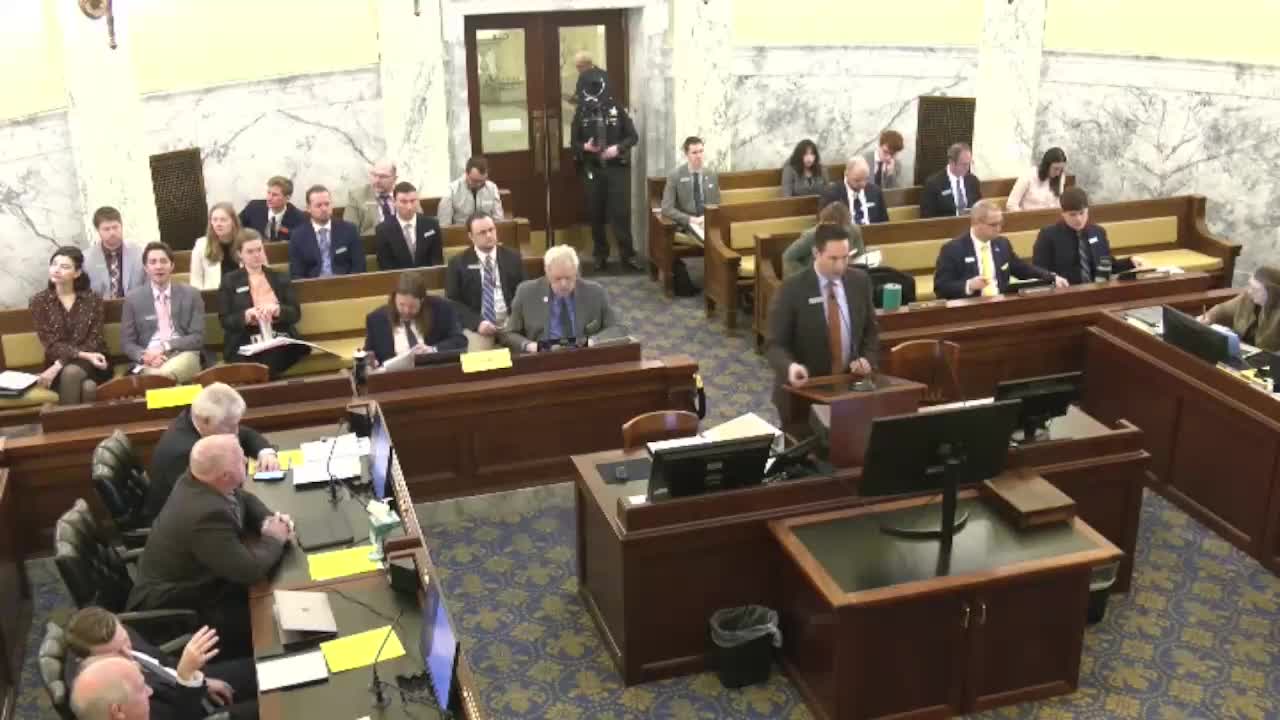
Budget Policy staff presented the committee with a sales-tax distribution overview and a general-fund update, highlighting statutory earmarks that have reduced the share of gross sales tax available to Idaho’s general fund.
Keith Bybee walked the committee through sales tax collections and statutory distributions. He reported total gross sales-tax collections rising (from about $3.1 billion in 2024 to projected $3.37 billion in 2025 and $3.5 billion in 2026) but noted that statutory earmarks reduce the portion reaching the general fund. Bybee said, "sales tax is your most stable, least volatile revenue source," but cautioned that the increasing number of statutory distributions means a smaller share of that revenue is available for general-fund appropriations.
Staff described the Tax Relief Fund and its distribution formula (including an earmark to public-school facilities and a $236 million component to the general fund under current projections), online-retailer transfers, and other dedicated distributions. Bybee explained the Techum allocation: the statute provides a 4.5% share of net sales tax for Techum projects and earmarks $80 million of that for bonding; the administration discussed adding roughly $50 million more for Techum-related bonds in proposals under consideration. Staff noted two possible ways that could be implemented: (1) reassigning existing formula capacity to reach a higher earmarked total with minimal general-fund impact, or (2) adding the amount on top of current statutory distributions, which would reduce the general fund.
Committee members probed implications: Representative Petzke asked how statutorily pegged percentage distributions interact with fixed bond-payment targets; Bybee explained that current statute guarantees $80 million for Techum bonding and that percentage-based distributions can create volatility as revenues change. Senator Ward Engelking and others emphasized the difference between maintenance spending and growth spending and the transparency benefit of moving population-forecast adjustments into enhancement bills.
Bybee also presented the General Fund Daily Update and noted staff will produce more frequent updates during active appropriation weeks; he apologized for a printing/font error on one page and said corrected versions would be posted. Members discussed reserve levels and the committee's ability to respond in downturns when comparatively less sales-tax revenue flows to the general fund.
Ending: The presentation framed sales tax as relatively stable but increasingly earmarked; the committee was cautioned that statutory reallocations and new earmarks limit the general fund’s flexibility during future revenue downturns and must be considered when setting appropriation policy.