Get Full Government Meeting Transcripts, Videos, & Alerts Forever!
Get email alerts on the Higher Education topic
No spam. Unsubscribe anytime.
Community college presidents tell Senate panel enrollment is surging and capacity is strained
Summary
Four Idaho community college presidents told the Senate Education Committee that enrollments and wait lists have jumped, driving requests for capacity-building funding and partnerships with employers to expand workforce training.
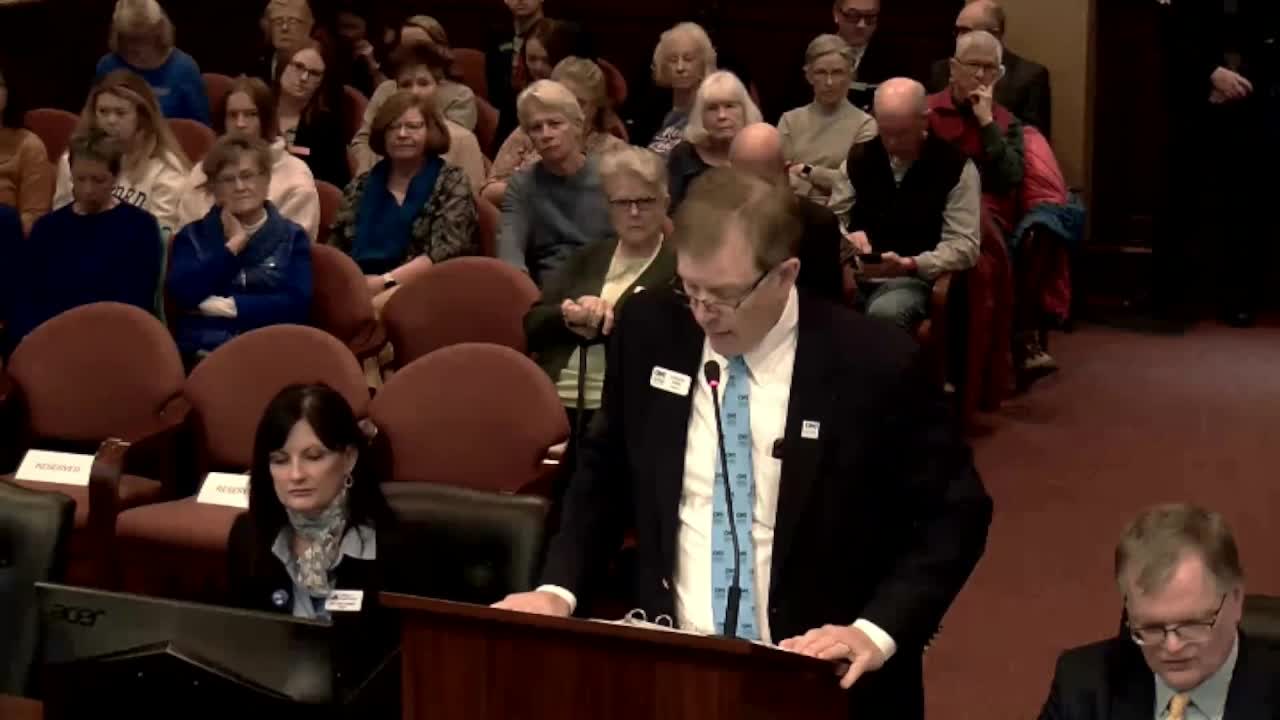
Four community college presidents briefed the Idaho Senate Education Committee on enrollment growth, capacity limits and workforce training needs and urged state support for expanded facilities and staffing.
The presidents — Gordon Jones of College of Western Idaho, Dean Fisher of College of Southern Idaho, Lori Barber of College of Eastern Idaho and Nick Swain of North Idaho College — described sustained increases in students seeking certificates, career-technical credentials and associate degrees and warned that program wait lists and classroom limits are preventing many from enrolling.
The presidents said their colleges are serving returning residents and local employers with training that moves students into middle- and higher-paying jobs. “We prepare students for roles that by and large are paying between $50,000 and $100,000 in the labor market,” Gordon Jones, president of the College of Western Idaho, told the committee. Jones said CWI enrolls more than 31,000 unique students, offers more than 120 programs — including more than 55 career-technical programs — and has not raised tuition in eight years. He described wait lists in high-demand programs: more than 100 students waiting for RN slots (capacity 64), welding wait lists above 50, and evening cohorts running well past traditional hours.
College of Southern Idaho President Dean Fisher said CSI enrolled 10,456 credit-bearing students last fall and 16,586 unduplicated credit students in 2023–24; CSI also serves about 7,000 noncredit workforce learners. Fisher cited an example in radiologic technology: the program accepts 15 students but had about 80 on the wait list. CSI is pursuing several construction projects, including a 20,000-square-foot trades and allied health center in Jerome and a Transportation Technology Building on the Twin Falls campus.
Lori Barber of College of Eastern Idaho said CEI has grown rapidly since being founded as a community college, reporting a 273% increase in credit-seeking students since its earlier technical-college days and saying the campus regularly fills its 688 parking spaces during peak times. Barber said CEI’s workforce training division delivered more than 14,000 trainings to 54 employers in fiscal year 2024 and highlighted the college’s expansion of nursing capacity from earlier limits to a program that can now enroll more than 220 prospective nurses.
North Idaho College President Nick Swain described similar regional growth and partnerships to create in‑state pathways in mining engineering, mechatronics and medical professions so students can stay and work locally. Swain said NIC plans to expand nursing admissions from 40 students per semester to 60, with the additional seats supported in the governor’s budget proposal.
All four presidents expressed support for the governor’s budget proposal cited in committee testimony: $10 million in ongoing capacity-building funds and $15 million in one-time money targeted to expand classroom space, equipment and faculty positions. They also described employer partnerships (apprenticeships, Micron/Tesla examples) that help reduce student costs and speed workforce entry.
Committee members asked about accreditation, program readiness and partnerships. Several senators thanked the presidents for their work. Senator Semeroth and others praised a plumbing apprenticeship collaboration described by a constituent that works with Department of Corrections volunteers and CWI workforce staff.
If enacted, the requested funds would be used for new buildings, modernized labs, additional instructors and equipment that college leaders say are necessary to convert wait lists into funded program slots and to meet employer demand across health care, advanced manufacturing, transportation and agricultural sectors.
The committee did not take immediate action on the funding request during the testimony period.