Get Full Government Meeting Transcripts, Videos, & Alerts Forever!
Get email alerts on the Committee Procedure Remote Testimony topic
No spam. Unsubscribe anytime.
House Revenue and Tax Committee chair keeps ban on remote testimony, sets procedural rules
Summary
At an orientation meeting, Chairman Cannon said the House Revenue and Tax Committee will continue to bar remote testimony, outlined procedures for raising questions and making motions, and said committee materials will be distributed electronically via OneDrive.
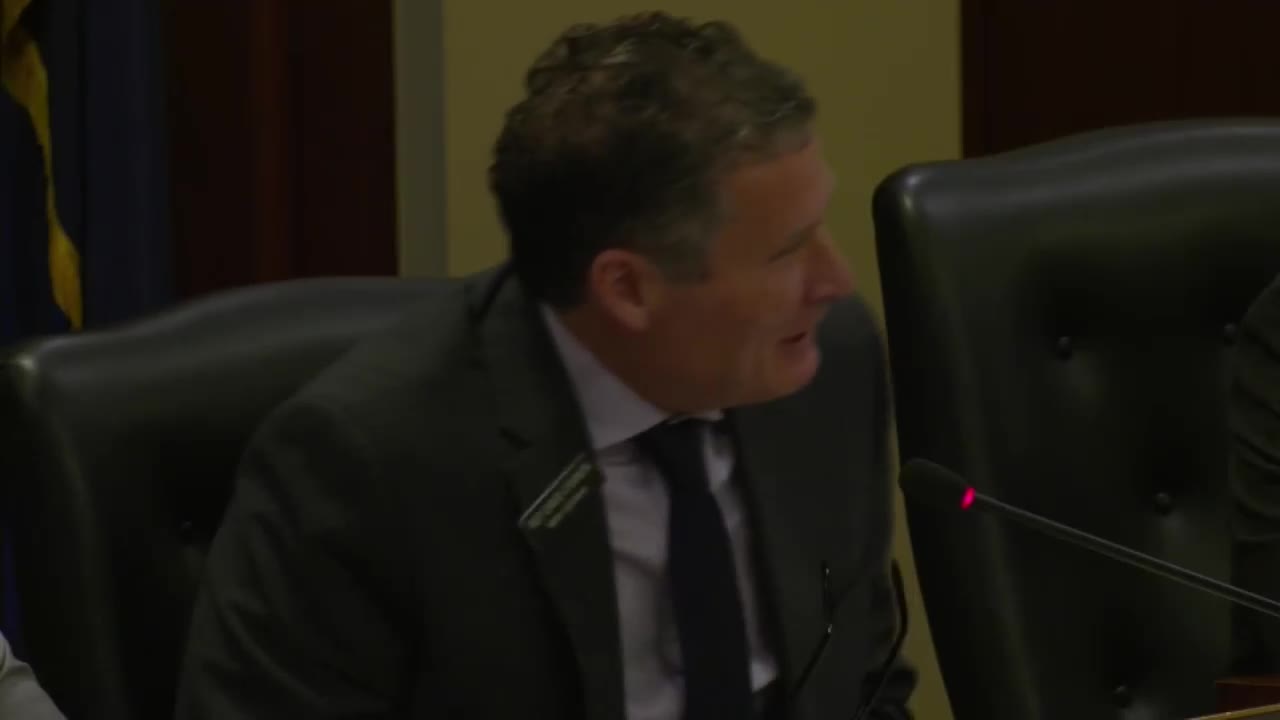
Chairman Cannon told members of the Idaho House Revenue and Tax Committee at a morning orientation that the committee will continue to bar remote testimony but will accept written submissions from residents statewide.
Cannon said the decision reflects concerns about evaluating testimony and managing hearings: “Historically, this committee has not allowed remote testimony, and I've made the decision to continue that policy.” He added that written testimony is welcome and that the committee will hear from people across Idaho through that process.
The announcement came as Cannon described several operational rules he said would govern the 10-week session. He said the committee is “an electronic committee,” and that materials used in hearings will be posted to members’ OneDrive folders rather than distributed in hard copy. He stressed members should use the committee’s red light system to request recognition and that the chair or presiding officer controls recognition. “Once you turn on your red light, you then wait to be recognized,” Cannon said.
Cannon emphasized precise language when making motions and said members should consult a handout in their packets explaining acceptable motion language. He singled out RS motions, saying that to advance an RS the correct phrase is to “introduce the RS” and warned that terms historically treated as interchangeable with “introduce” may be called out of order. He said he will be “stern about reining in” long, multi-part questions and will enforce rules against personal insults and irrelevant questioning.
The chair also announced that Representatives Birch and Bruce had agreed to serve as proofreaders for committee minutes and materials, a role Cannon said had been arranged before the meeting. He framed the committee’s work as consequential, noting the committee’s jurisdiction over tax policy and invoking the Declaration of Independence while stressing the importance of procedural safeguards: Cannon quoted the grievance about “imposing taxes without consent” as a reminder of the committee’s responsibilities.
Cannon closed by reminding members the committee will not meet the following day and to listen for floor announcements about subsequent scheduling.
The orientation included brief introductions from members and committee staff, and Cannon described the committee as having 15 members, a mix of returning and new legislators, and an expectation that members learn committee procedures promptly.