Get Full Government Meeting Transcripts, Videos, & Alerts Forever!
Get email alerts on the Budget Funding topic
No spam. Unsubscribe anytime.
State Independent Living Council explains fund structure, seeks budget clarity on personnel costs
Summary
Legislative Services Office analyst and State Independent Living Council director outlined SILC’s funding mix, stable dedicated fund balance and a governor-recommended shift of $11,700 from SILC’s dedicated fund to the general fund to cover personnel-related statewide adjustments.
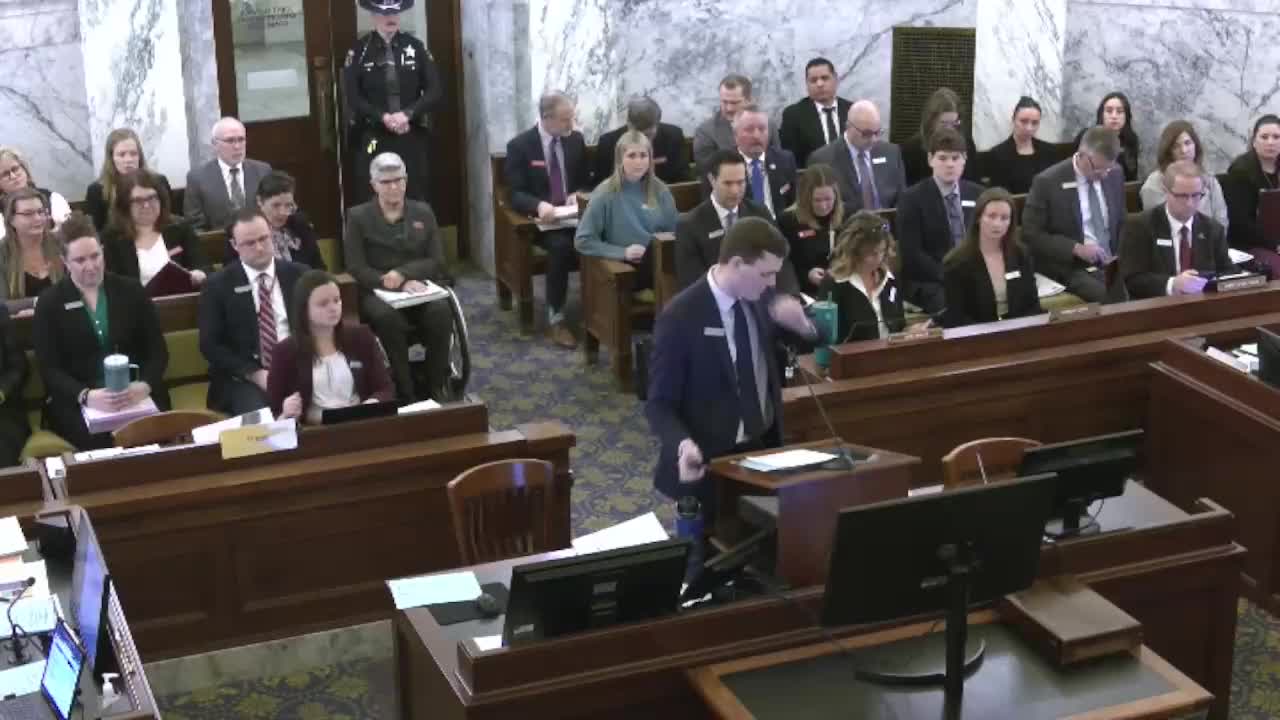
Kellen McGurkin, a Legislative Services Office budget analyst, told the Joint Finance-Appropriations Committee on Jan. 15 that the Idaho State Independent Living Council (SILC) typically spends nearly all its dedicated fund revenue each year and maintains an ending balance of roughly $280,000, or about six and a half months of expenses.
McGurkin said SILC’s dedicated fund receives federal independent living services grant dollars that pass through the Idaho Division of Vocational Rehabilitation and that timing differences between federal grant periods and the state fiscal year can make revenue and expenditure comparisons appear to mismatch. “Overspent isn’t a term I would use,” McGurkin said when asked to clarify a line on the slides showing expenditure versus revenue, explaining the timing issue.
The analyst said the agency has four FTP positions, including Executive Director Mel Levitan, a financial specialist, a program specialist and an administrative assistant. He noted that personnel costs have accounted for roughly 69% of expenditures in recent years and that much of the year-to-year appropriation variance has come from how personnel costs are apportioned between the dedicated fund and general fund appropriations.
As presented, the governor’s recommendation for fiscal year 2026 would shift $11,700 of appropriation from SILC’s dedicated fund to the general fund. McGurkin explained the practical effect: the general fund would pick up about half of statewide health benefit and change-in-employee-compensation increases that otherwise would be borne by SILC’s dedicated fund. He said the agency typically spends near its available revenue but has maintained a cushion against funding freezes.
Executive Director Mel Levitan, who appeared with agency staff, thanked the committee and highlighted recent financial housekeeping: he credited a $10,000 line-item last year that the council used to complete audits for multiple years with no findings. “We make the most that we can with a very small budget. We travel all over the state, and we get to meet folks,” Levitan said, adding that the council aims to reach Idahoans who cannot routinely travel to Boise.
Committee members asked clarifying questions about the apparent appropriation/expenditure differences and the dedicated fund’s stability. McGurkin reiterated that timing of federal receipts explains the appearance of occasional overspends in the fiscal-year accounting, not ongoing structural deficit. No formal committee action was taken during this hearing; the presentation was informational and part of the replacement/enhancement hearings for FY 2026.