Get Full Government Meeting Transcripts, Videos, & Alerts Forever!
Get email alerts on the Budget Schedule Workgroups topic
No spam. Unsubscribe anytime.
JFAC outlines hearing schedule, work groups to begin Jan. 9
Summary
Budget staff presented a ten‑week hearing schedule and explained how JFAC work groups will divide agency budgets for daily committee consideration and afternoon work sessions.
BOISE, Idaho — The Joint Finance and Appropriation Committee reviewed a planned hearing schedule on Jan. 8 that spreads committee work across ten weeks and directs members into smaller work groups to evaluate agency budgets.
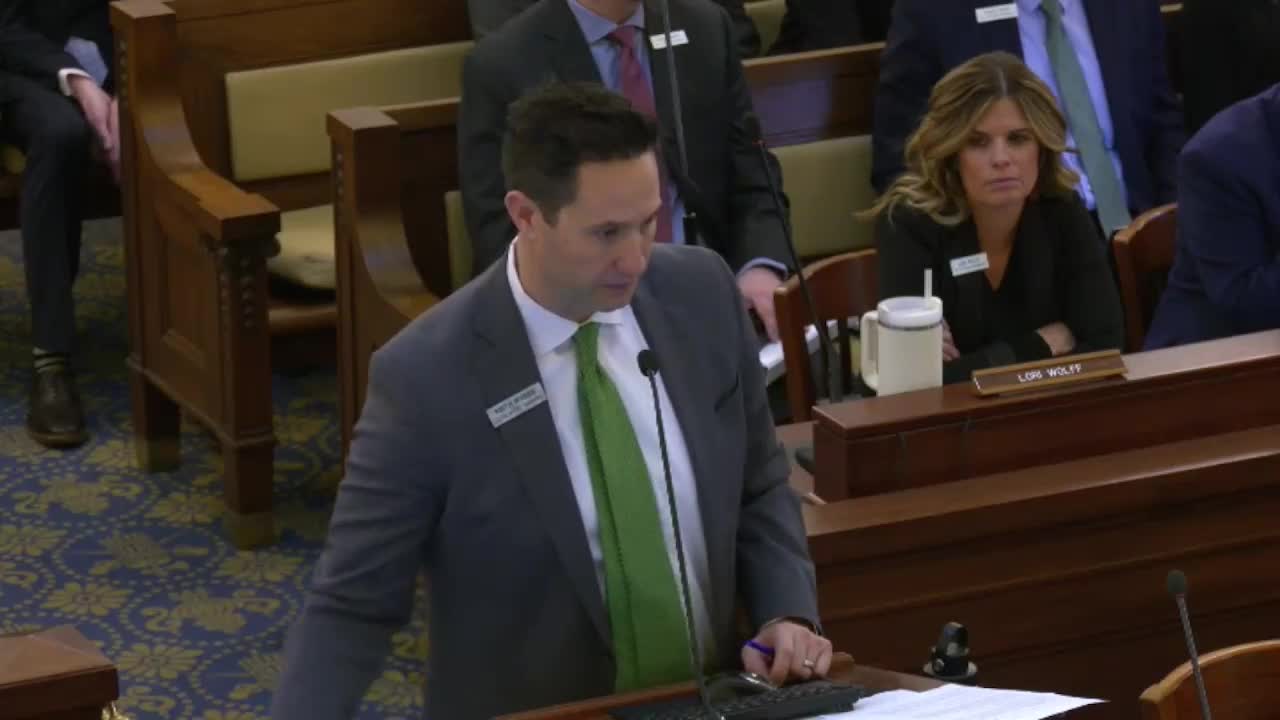
Keith Bybee, Division Manager of the Budget and Policy Analysis Team at the Legislative Services Office, walked members through a thematic calendar that starts with orientation and the governor’s presentation in the first week, moves into agency hearings and program‑maintenance budget setting in week two, and begins budget enhancement deliberations in week three.
Why it matters: the schedule is intended to pace JFAC’s workload so members can examine budgets in detail, set program maintenance budgets early, and bring fewer, better‑understood budget bills to the floors of the House and Senate later in the session.
Key details from staff: the committee will typically meet in JFAC each weekday from 8:00 a.m. to about 9:30 a.m.; work groups will meet beginning at 9:30 a.m. after the committee recesses to dig into specific agency budgets. Week two will include an initial round of agency hearings — beginning with Health and Welfare and secondary education agencies — and staff plans to set program maintenance budgets on Friday, Jan. 17, as an early milestone.
Bybee described the schedule as a "rinse and repeat" cycle: committee in the morning, staff work groups in the remainder of the day, then reconvene the next morning. He said week four is slated for higher‑education institutions and statewide elected officials; week eight covers state police, community colleges and capital budgets; week nine is expected to include public‑school support and Medicaid; and current planning projects JFAC business to wrap in about ten weeks (near mid‑March).
Chairwoman Horman also called attention to a terminology clarification: the committee will use the phrase "population forecast adjustments" (rather than the older label "non‑discretionary") to describe maintenance costs driven by changes in student counts, prison populations, and Medicaid caseloads because those amounts, though driven by population, remain subject to legislative discretion.
Staff said replacement and repair items (for example, capital repairs, vehicles or IT replacements) will have a consolidated hearing on Jan. 15 so members can review them in a single session. Analysts and LSO staff identified which members will serve on which work groups and encouraged members to contact assigned analysts before work groups meet.
Speakers quoted are taken from the Jan. 8 committee transcript. The schedule and the work‑group structure will guide JFAC timing for hearings and set the committee’s approach to program maintenance and enhancement items this session.