Get Full Government Meeting Transcripts, Videos, & Alerts Forever!
Get email alerts on the Psychiatric Hospitalization topic
No spam. Unsubscribe anytime.
All three state hospitals accredited; committee warned of rising civil‑commitment costs and longer stays that reduce Medicaid reimbursement
Summary
The Joint Finance‑Appropriations Committee was briefed on the Division of Psychiatric Hospitalization’s budget, accreditation status and rising civil‑commitment and restoration‑to‑competency costs that have driven supplemental requests.
The Joint Finance‑Appropriations Committee was briefed on the Division of Psychiatric Hospitalization’s budget, including the accreditation status of state hospitals, Medicaid billing gains and growing civil‑commitment and restoration‑to‑competency caseloads that have increased costs.
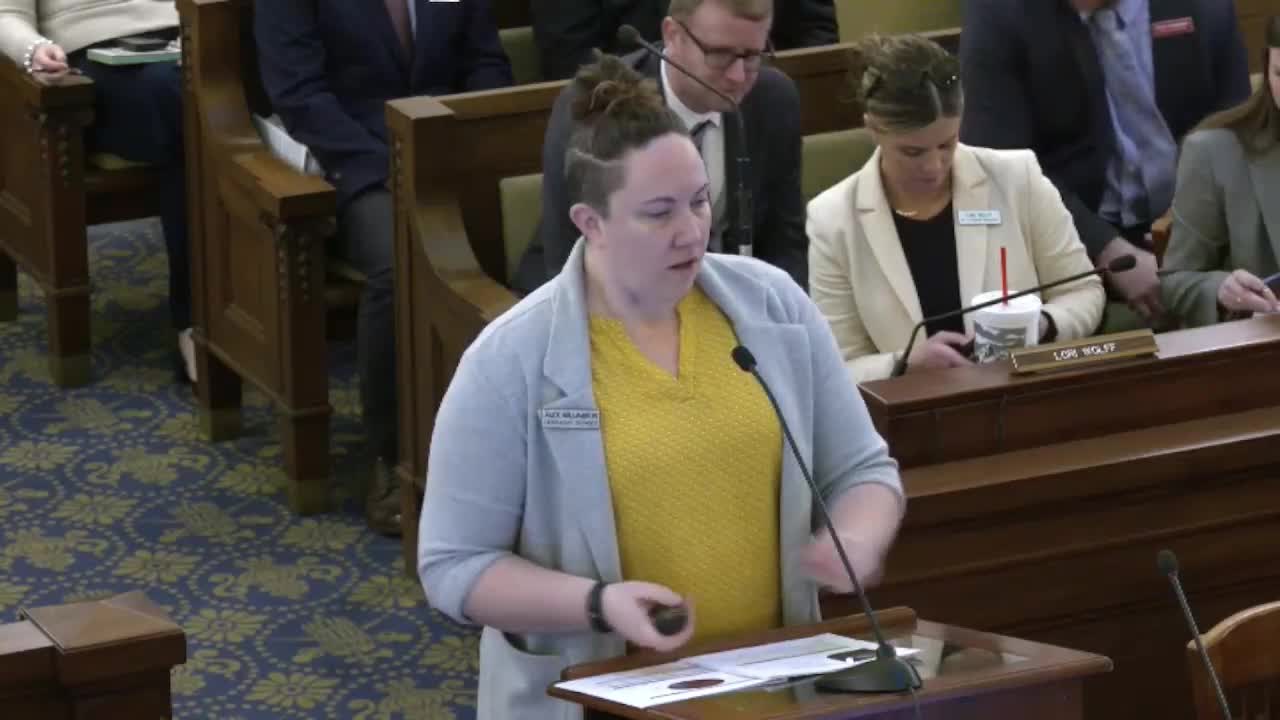
Alex Williamson, Legislative Services Office budget analyst, explained that psychiatric hospitalization is organized into four programs (community hospitalization and three state hospitals) and that the division is authorized for 467 full‑time positions. DHW reported estimated FY2024 expenditures of about $62.6 million for the division, with personnel and operating costs driving spending.
Director Alex Adams and Ross Edmonds, administrator for the Division of Behavioral Health, told the committee all three state hospitals are now accredited. Adams said accreditation allows hospitals to bill Medicaid and produce receipts, resulting in general‑fund savings. “They’ve so far billed 1,600,000.0, they’ve received 1,300,000.0, so that’s arguably 1,300,000.0 less that, we otherwise would have had to ask for on the general fund,” Adams said of State Hospital West.
But accreditation and billing gains have not removed other cost pressures. Williamson described a FY2025 one‑time supplemental request of $2,600,000 from the General Fund related to increased costs for mental‑hold and commitment services after Senate Bill 1327 (2022) shifted responsibility for those costs to the state. Williamson told the committee that SB1327 changed which government entity pays for mental holds and that the department is now “footing the bill for these services.”
Committee members also discussed a federal billing limitation tied to lengths of stay: Medicaid will reimburse for stays of 60 days or less, but if a patient’s stay extends beyond 60 days Medicaid will not reimburse the federal share for the excess. Director Adams said clinical necessity controls release decisions, not billing rules, and that the share of admissions exceeding 60 days has risen from about 17% to 37%, which shifts more costs to the state.
Ross Edmonds told the committee restoration‑to‑competency commitments have grown dramatically and are filling hospital beds. “We’ve seen about a 600% increase in restoration to competency cases over the last 10 years,” Edmonds said, and that roughly 75% of beds at State Hospital North are occupied by restoration to competency cases. Edmonds said nearly all defendants in psychiatric restoration cases are ultimately restored to competency — he estimated about 95% are restored, with roughly 5% or less not restorable.
The department reported current informal waitlists: about eight individuals for State Hospital North and roughly 18 for State Hospital South, with capacity and staffing constraints influencing throughput. Committee members asked about vacancy and staffing; Adams said hospital vacancy rates are lower than earlier years and attributed improvements to Legislature‑approved cost‑of‑employment (CEC) adjustments and other personnel actions.
Why it matters: shifting county costs to the state and rising numbers of long stays and restoration cases increase pressure on the general fund and could prompt recurring supplementals. The department asked for receipt authority and transfer‑exemption language to manage fund sources and billing authority to mitigate general‑fund exposure.
(Reporting is based on testimony from Alex Williamson (LSO), Director Alex Adams (DHW) and Ross Edmonds (DHW Division of Behavioral Health).)