Get Full Government Meeting Transcripts, Videos, & Alerts Forever!
Get email alerts on the Food As Medicine Program topic
No spam. Unsubscribe anytime.
Trinity Health Michigan says its "Food as Medicine" farms supplied 20,000 patients in 2024 and seeks state funds to expand
Summary
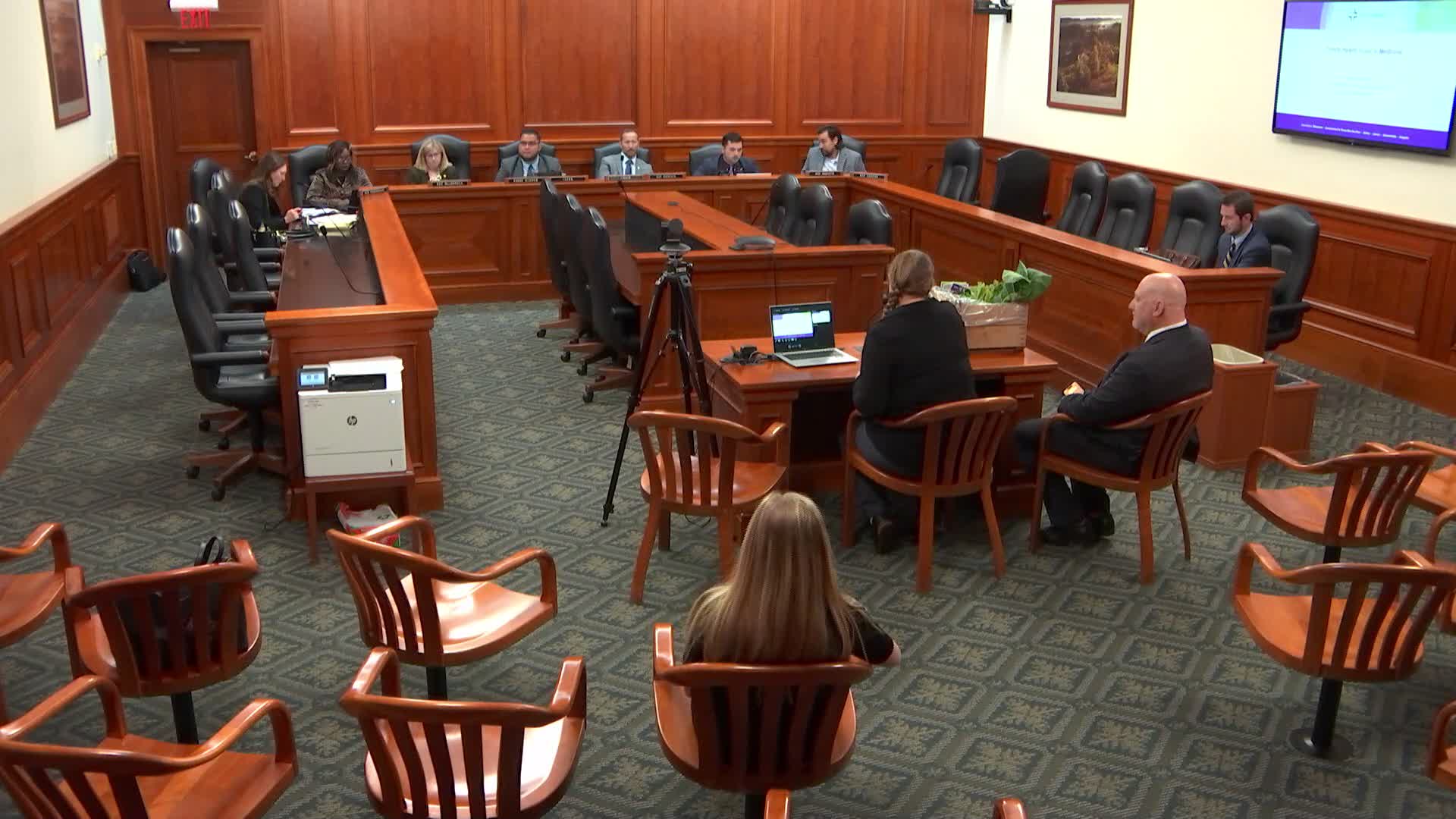
Trinity Health Michigan told the House Oversight Subcommittee on Public Health and Food Security that its Food as Medicine program provided fresh produce to about 20,000 patients in 2024 and is seeking state support to expand the model.
Trinity Health Michigan told the House Oversight Subcommittee on Public Health and Food Security that its Food as Medicine program provided fresh produce to about 20,000 patients in 2024 and is seeking state support to expand the model.
"We serve 20,000 patients with food from our farms," said Caitlin Smogger, director of Food as Medicine on the Farm at Trinity Health, during a presentation to the committee. Smogger outlined on‑campus farms, clinic distribution and a 36‑week FarmShare box intended to connect patients and community members with locally grown fruits and vegetables.
The program includes farms at Trinity Health Ann Arbor (started 2010), Trinity Health Oakland (started 2020) and the McLaughlin Groves farm in Muskegon (established 2009 and joined Trinity Health in 2024). Trinity supplies produce to clinic partners, community food pantries and weekly farm stands. Smogger said about 80% of the food grown at the hospital farms is stocked in mini‑fridges inside participating clinics so patients can take produce home after visits.
The program uses what Smogger described as a "spectrum of intervention": produce‑to‑patients to pair screening and referrals, client‑choice food pantries on hospital campuses, weekly farm stands that accept SNAP/EBT and other vouchers, and a FarmShare box program that runs April through December. The FarmShare is a 36‑week box with 6–8 locally grown items; Trinity purchases additional produce from regional farms at wholesale prices and provides recipes and newsletters to participants.
Smogger cited evaluation support from the Michigan Health Endowment Fund and said the 2024 evaluation collected pre‑ and post‑surveys from more than 300 participants. She told the committee that full‑season FarmShare participants showed statistically significant increases in food security, average daily fruit and vegetable consumption and perceived health status. Smogger said the share of FarmShare assistance members classified as "very food insecure" fell from about 80% at enrollment to about 55% at program end.
Trinity reported program scale figures to the committee: 21 clinic partners in 2024; roughly 20,000 patients reached with farm produce; more than 4,000 food pantry visits at the Ann Arbor and Pontiac sites in 2024; and approximately 572 direct FarmShare members representing about 1,600 people when family size is included across 11 counties.
Committee members pressed on funding and outreach. "What’s your primary source of funding?" asked Chair Bierlein. Smogger said the program uses a braided funding model that includes a portion of hospital community benefit dollars and private philanthropy. She also said Trinity is working in 2025 to partner with Medicaid managed‑care plans so FarmShare assistance could be issued as reimbursable "healthy food packs" or vouchers redeemable at farm stands.
"We are capital constrained as a health system, and we do wanna see more community members served by these programs," said Sean Gailey, advocacy leader for Trinity Health Michigan, and told the committee the system has requested state dollars to help expand operations.
Representative McDonald asked how Trinity reaches seniors and people with disabilities who may not get out often. Smogger said outreach relies on referral pathways from community health workers, social workers and dietitians, partnerships with FQHCs, presence at public events and school outreach, and coordination with Michigan State University Extension and local farmers. She said Trinity hires staff with farming experience who work directly with regional growers to create reliable wholesale market opportunities.
Smogger also described education and workforce elements: summer camps, field trips, classroom visits, and rotations for medical students and residents to increase clinician awareness of the link between ZIP code and life expectancy.
Smogger told the committee Trinity is expanding its evaluation in 2025 to include clinically integrated measures such as hemoglobin A1C and pilots pairing the FarmShare with diabetes prevention and hypertension projects, and maternal health equity work. She identified potential future sites for program expansion including Trinity Health Livonia, Livingston and Grand Rapids.
The committee took no formal action on the presentation. With no further business, the subcommittee adjourned.