Get Full Government Meeting Transcripts, Videos, & Alerts Forever!
Get email alerts on the Child Welfare topic
No spam. Unsubscribe anytime.
Idaho budget hearing: Department seeks staff, foster-rate increases and $14.1M supplemental to curb congregate-care use
Summary
Department of Health and Welfare asked the Joint Finance and Appropriations Committee for dozens of new staff, higher foster maintenance payments, and a $14.1 million supplemental tied to rising congregate-care costs, while proposing a $2.7 million leased operation for the Payette assessment and care center instead of purchasing the facility.
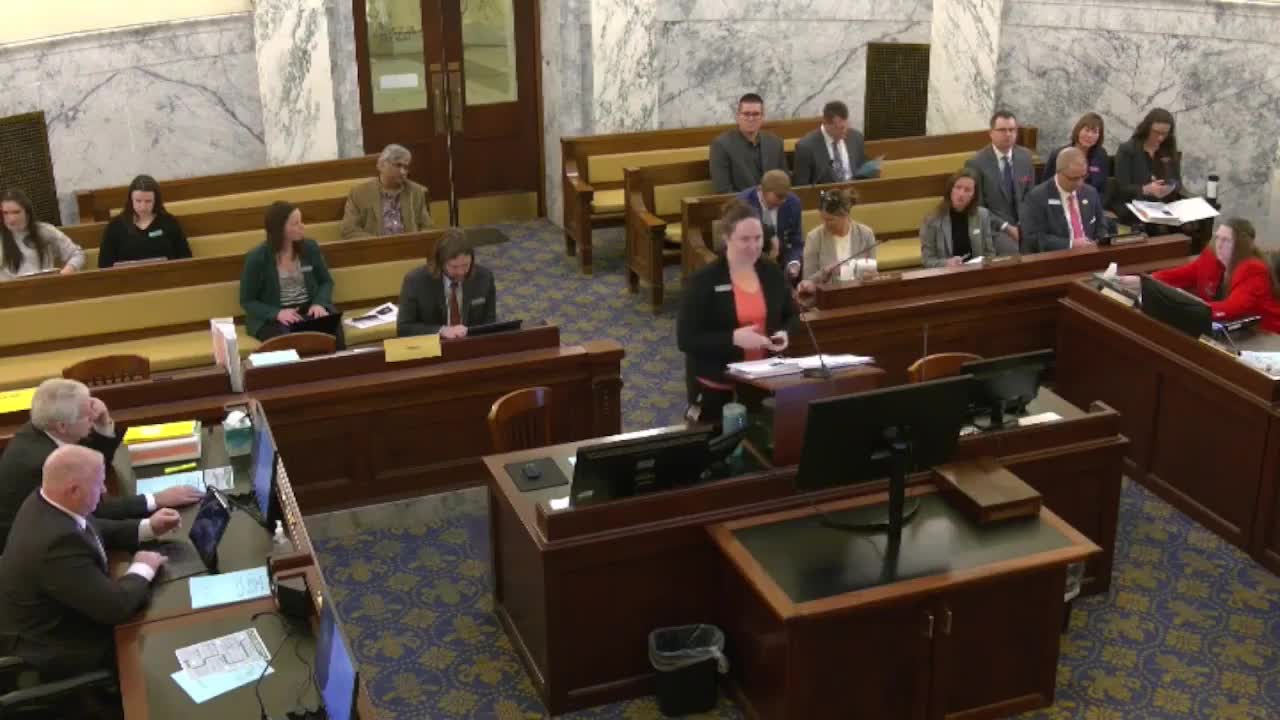
The Joint Finance and Appropriations Committee on Feb. 20 heard the Department of Health and Welfare outline a multi-part budget request aimed at reducing placements in costly congregate-care settings and expanding prevention and foster-care capacity.
Alex Williamson, budget and policy analyst with Legislative Services, told the committee the division of child welfare (to be retitled Youth Safety and Permanency) expended about $117,800,000 in fiscal 2024, with foster-care and assistance payments comprising about 60% of that total. She said the agency is requesting new permanent staff, maintenance-rate adjustments for foster parents, and a fiscal-year 2025 supplemental for population-forecast adjustments related to congregate-care cost increases.
Why it matters: Department leaders said congregate care costs are far higher than prevention or foster placements, and that shortages of foster parents and community placements are driving those costs up. The department presented a package intended to increase prevention services, add licensing and clinical staff for foster families, shorten licensing timelines and reduce caseloads for caseworkers.
Director Alex Adams, director of the Department of Health and Welfare, told the committee the department is attempting to “flip the script” so more children can remain safely at home or in foster families and fewer are placed in congregate care. “If a child is removed from their home and placed in foster care, it's $16 a day. If I don't have a foster bed available to them, congregate care is $380 a day,” Adams said. He said the state had 74 foster beds per 100 children when he started; “Today, we're at 94.”
Key requests and details - Prevention specialist team: The department requested 36 new full-time positions to expand a prevention specialist team that would strengthen families and reduce removals. Williamson said the total between ongoing and one-time funding is about $3,048,200, with part of that ongoing. The agency currently has 14 prevention specialists statewide who carry both prevention and foster-care cases; adding 36 would bring the statewide total to 50.
- Youth safety and permanency staff: The agency requested 12 positions; the governor recommended 9. Those positions include clinicians for needs assessments and staff to assist placements and conduct family searches to prioritize kin placements. Both the agency request and the governor's recommendation include $120,000 to purchase access to a family-find tool intended to speed relative/kin identification.
- Foster-program clinical staff: The agency requested 15 clinicians assigned to the congregate-care unit; the governor recommended 10. The clinicians would provide intensive support to foster families taking children with high emotional, behavioral or mental-health needs and help establish a 24/7 foster-parent support line. The agency also proposed a foster monthly maintenance-rate increase averaging about 5% over current rates.
- Foster licensing staff and case-management support: The agency requested 14 licensing positions to reduce the average 80-day licensing timeline for prospective foster parents and speed kinship licensing; the governor recommended 3 of those positions. The division reported 19 licensing staff at the time of the request with caseloads averaging 59 foster families per licensing worker. For case management, Williamson said there were currently 67 caseworkers with average caseloads of about 32 youth; the agency hopes to reduce that average to 26 per worker.
- FY2025 supplemental (population forecast): Williamson said the FY2025 supplementals included a $14,100,000 increase for foster-care population forecast adjustments, driven largely by rising congregate-care costs tied to higher behavioral-health and substance-use needs among youth and a shortage of community placements.
- Payette Assessment and Care Center: The department originally requested authority to purchase the Payette Assessment and Care Center but, after consultation with the governor's office, adjusted the plan to lease the facility and request $2,700,000 ongoing to operate it while evaluating long-term need. Williamson said the governor did not recommend purchasing the center outright; Director Adams said state funds and private donations have been used to make improvements to the leased facility.
- Transfer authority: The department requested an exemption from the maintenance-bill restriction on transferring personnel dollars and trustee/benefit payments and asked to allow transfers in accordance with Idaho Code 67-35-11.
Discussion and operational detail Deputy Director Monty Pro described the prevention team’s day-to-day work: prevention workers typically visit once a week to build protective factors, complete assessments and implement court-reviewed treatment plans targeted to family functioning, individual caregivers or the youth. “Once a court approves a prevention case…based upon those assessment results, you end up with a treatment plan for that family, reviewed by the court,” Pro said.
Adams and staff emphasized that prevention cases generally produce better outcomes and lower costs than foster care or congregate care. Adams said states are competing for congregate-care beds and some out-of-state facilities have raised daily rates, producing steep costs when in-state foster placements are unavailable.
Vacancies and hiring Williamson reported the child-welfare program is authorized 434.8 FTP with 45.8 vacancies as of Feb. 10; the agency told legislators that about 25 of those vacancies were in the interview stage and nine were posted. Adams said the overall agency vacancy rate is roughly 11%, child-welfare about 10.5%, and expressed confidence the requested positions can be filled after legislative authorization.
What the committee asked Committee members pressed about the Payette facility improvements and whether the state or owner paid for modifications; Williamson said she believed the state paid for the modifications, and Adams confirmed state funds and private partners contributed to improvements. Several legislators asked about faith-based recruitment and about parents incarcerated being a cause of foster placements. Deputy Director Pro said 16% of removals in 2024 cited incarceration as a reason and the department is open to further dialogue on shared facility models.
Ending The department emphasized the proposals are intended to reduce expensive congregate placements by expanding prevention services, recruiting foster families and improving licensing and clinical supports. The committee took no formal action during the hearing; the budget requests and supplementals will be considered during subsequent budget-setting and committee decision points.