Get Full Government Meeting Transcripts, Videos, & Alerts Forever!
Get email alerts on the Budget Process topic
No spam. Unsubscribe anytime.
Staff outline new, condensed budget‑hearing format and where to find agency materials online
Summary
Janet Jessup, budget and policy analyst with the Legislative Services Office, told the Joint Finance and Appropriation Committee on Jan. 7 that daily agency hearings have been condensed and that standard slide sets and a reorganized SharePoint will help members find agency descriptions, fund‑balance tables and five‑year budget trends.
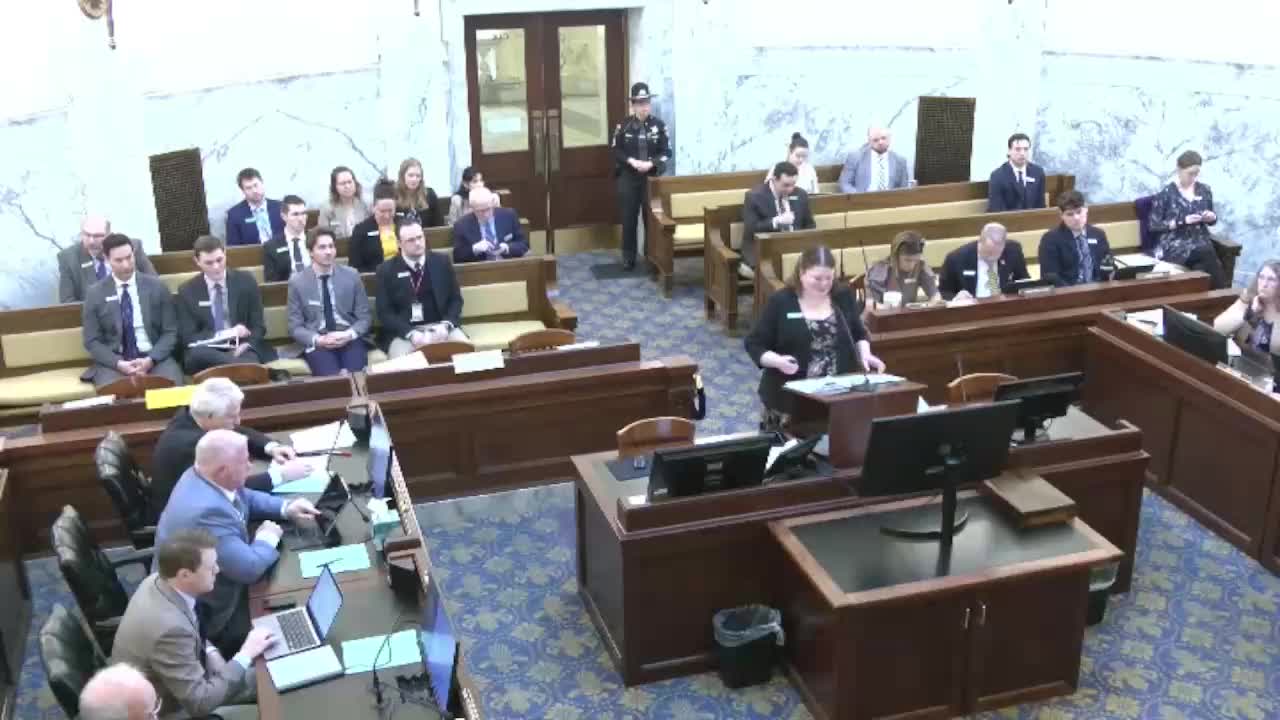
Janet Jessup, a budget and policy analyst with the Legislative Services Office, gave Joint Finance and Appropriation Committee members an overview on Jan. 7 of the committee’s revised budget‑hearing process, the standard materials they will see for every agency and where to find documents.
“Consistently for every single budget you're going to be provided the agency description, an overview of the organizational structure and their FTP count,” Jessup said. She explained that committee presentations have been shortened from multi‑hour PowerPoints to focused 90‑minute morning sessions and that materials have been reorganized in SharePoint and the legislative budget book so members and the public can quickly access agency slides, legislative budget book pages and hearing follow‑ups.
Jessup described standard items that will appear in each agency brief: a consolidated‑fund analysis showing balances for dedicated funds, a five‑year appropriation and expenditure trend, a breakout of expenditures by account category (personnel costs, operating expenditures, trustee and benefit payments, capital outlay), and a budget‑enhancement lookback showing ongoing and one‑time changes across recent years. She noted that personnel cost (PC) summaries include full‑time position counts and vacancy data and that members should raise follow‑up questions with analysts when PC percentages or vacancy patterns look atypical.
She also explained the “account categories” lawmakers will use in deliberations and described statutory rules governing transfers between categories. Jessup said some agencies have requested exemptions to give them more flexibility in moving appropriations among account categories; such requests will be visible in the materials.
On practical matters, Jessup showed committee members how to find meeting materials in the session SharePoint folder and recommended sorting by modified date to find recently added documents. She said the work‑group timetable is intentional: committee members will receive agency detail in the morning presentations and are expected to discuss items in smaller work groups before committee votes.
Committee members asked about personnel‑cost savings and how agencies use them. Jessup said explanations vary by agency — for example, savings can come from unfilled positions, new hires at lower salaries, or one‑time retiree payouts — and urged members to consult analysts for agency‑specific explanations. The chair and co‑chairs encouraged punctual attendance at the condensed morning presentations so members have the same baseline information before voting on budget bills later in the session.
Jessup said the office will provide additional reference materials (account code descriptions and the fiscal source book listing dedicated funds and statutory citations) and will post them to the SharePoint site for committee members to consult during deliberations.