Get Full Government Meeting Transcripts, Videos, & Alerts Forever!
Get email alerts on the Higher Education Budget Nic topic
No spam. Unsubscribe anytime.
North Idaho College reports EWA cut despite 15% enrollment growth; seeks faculty for nursing, welding and cybersecurity
Summary
North Idaho College told JFAC it faces an FY2026 enrollment workload adjustment reduction of $446,800 even as enrollment rose about 15% in both fall and spring; college leaders requested faculty positions to expand nursing and welding cohorts, described cybersecurity costs, and said NIC moved from accreditation show‑cause to probation.
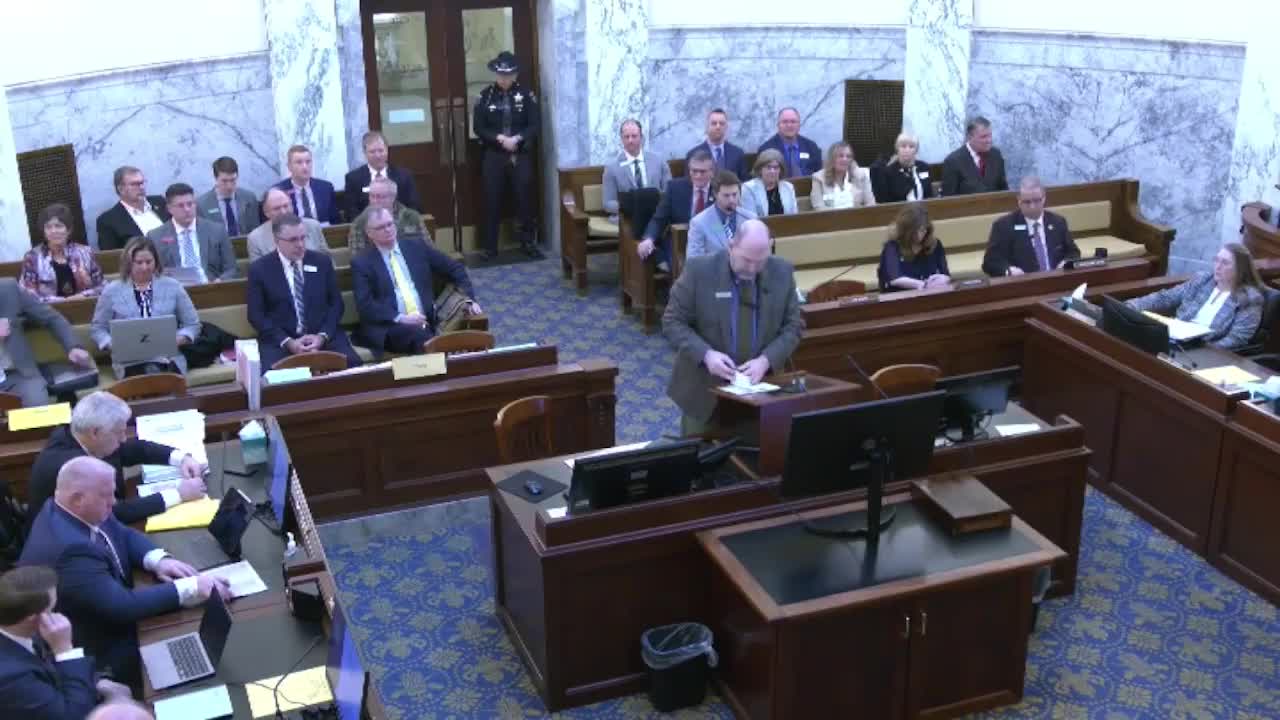
North Idaho College President Dr. Nick Swayne told the Joint Finance-Appropriations Committee that NIC’s Enrollment Workload Adjustment formula will produce an ongoing reduction of $446,800 for FY2026, a result he described as “a big bite” because the college’s enrollment has grown sharply this year.
Kevin Campbell, budget and policy analyst with the Legislative Services Office, presented NIC’s budget overview and said the EWA produced a reduction of $446,800 for FY2026. Campbell noted NIC’s five‑year base budget average growth was 4.2 percent and that appropriations to community colleges are made as a single trustee and benefits payment.
Swayne told the committee NIC’s enrollment turned around after years of declines, reporting approximately 15 percent growth in fall 2024 and another roughly 15 percent increase in spring; he said the college had about 571 new students on campus in the spring alone. Swayne said the EWA is a trailing, three‑year average that can penalize institutions when a recent turnaround is not yet reflected in the formula.
NIC identified several capacity priorities. Swayne said the college seeks five additional nursing faculty to expand a semester cohort from 40 students to 60 (a 50 percent increase) and explained that external clinical accreditation requirements typically impose student‑to‑instructor ratios—often about 10:1—that limit how many students can be supervised in clinical settings. He told the committee NIC had 77 students on the nursing wait list in the spring and that the college has used an initial round of governor’s funding to increase intake in one cohort.
On welding, Swayne said demand is strong and that faculty shortages sometimes mean first‑year students are hired into industry before completing a second year; an additional welding instructor would allow NIC to double first‑year seats so second‑year cohorts remain viable. On cybersecurity, Swayne said recurring costs for cyber defense have roughly doubled—from about $250,000 to above $500,000 annually—and that colleges face persistent threats that make data protection expensive and necessary.
Swayne also described NIC’s accreditation status: the college was placed on show‑cause in February 2023 and, as of the night before the committee meeting, had been removed from show‑cause and placed on probation. He said the show‑cause period and a regional high cost of living had complicated recruitment and retention of faculty and staff.
Campbell and Swayne described NIC’s local footprint: NIC has taxing authority in Kootenai County only; out‑of‑district students from other North Idaho counties may be handled through county reimbursement arrangements. Swayne listed outreach locations including a Sandpoint center (offers the range of main‑campus services) and satellite sites in Rathdrum and Post Falls; NIC also operates Head Start programs and Area Agency on Aging services across the region.
No formal committee vote was recorded during the NIC presentation; the issues were presented for the FY2026 budget process and for JFAC consideration in light of the governor’s proposed capacity funds.