Get Full Government Meeting Transcripts, Videos, & Alerts Forever!
Get email alerts on the Higher Education Community Colleges topic
No spam. Unsubscribe anytime.
North Idaho College reports 15% enrollment rebound, warns EWA cut of $446,800 will strain recovery
Summary
North Idaho College told JFAC it posted double-digit enrollment growth after years of decline but faces an ongoing EWA reduction of $446,800 that will undercut capacity-building; NIC also reported recent removal from show-cause to probation status with its regional accreditor.
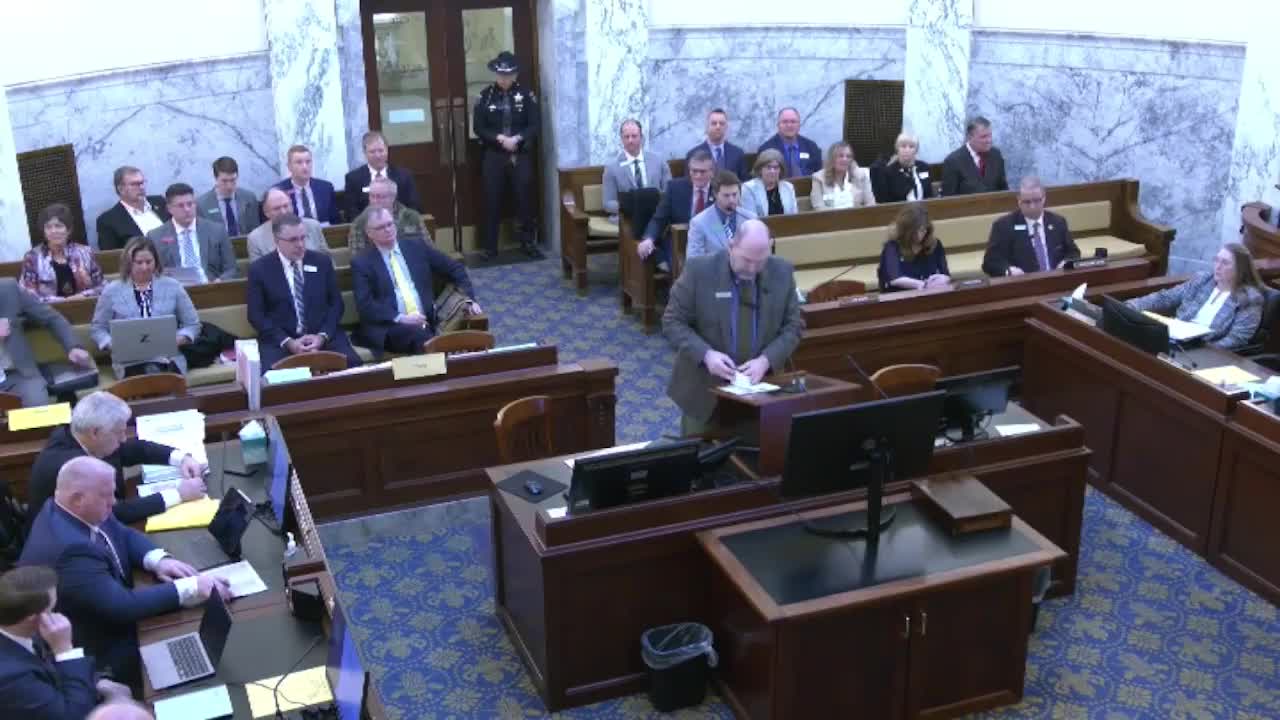
North Idaho College President Dr. Nick Swayne told the Joint Finance-Appropriations Committee that NIC saw a meaningful enrollment turnaround — up roughly 15% in fall 2024 and another increase in spring — even as the State Board of Education formula produces an ongoing enrollment workload adjustment reduction of $446,800 for FY 2026.
Why it matters: NIC leaders said enrollment gains are restoring community-trusted capacity but that the EWA cut amounts to a substantial budgetary bite just as the college seeks to expand nursing, welding and cybersecurity programs that serve regional workforce needs.
Enrollment, EWA and fiscal context: Analyst Kevin Campbell reviewed NIC’s five-year appropriation history and told the committee NIC’s 2024 appropriation was $215,100,000 and that FY 2026 results in an ongoing EWA reduction of $446,800. President Swayne explained that the EWA uses a trailing three-year average, so recent enrollment growth can lag in the formula and result in a near-term budget cut despite current growth.
Growth drivers and capacity needs: Swayne said NIC’s fall enrollment rose about 15.5% and that spring enrollments added roughly 571 new students. He told the committee growth was broad: “about 5% in our traditional transfer programs, about 40% in dual credit, about 30% in our CTE program,” and that the college is expanding offerings in health fields and welding to meet employer demand.
Nursing, welding and cybersecurity pressures: The college asked for faculty and program enhancements to increase nursing cohorts from 40 to 60 students per semester by hiring five nursing faculty (Swayne said external accreditation and a typical 10-to-1 clinical supervision ratio require sufficient clinical instructors). For welding, Swayne said adding a welding instructor would permit expansion of first-year seats so that more students remain for second-year training rather than being hired out. He also identified cybersecurity as a growing cost center: NIC’s cybersecurity defense budget increased from roughly $250,000 to over $500,000 annually after recent attacks and the college seeks ongoing funding to protect student and employee data.
Accreditation and staffing: Swayne told the committee NIC was placed on show-cause by its accreditor in February 2023 and that, as of the previous night, the college is off show-cause and now on probation. He said turnover in senior staff in 2022–23 made recruiting and retention difficult in a high cost-of-living market (Spokane-area institutions can recruit NIC staff without relocation). That difficulty, he said, compounds the budgetary effects of the EWA reduction.
Use of governor’s capacity funds and waiting lists: Asked about the governor’s $25 million proposal for CTE and capacity building, Swayne said NIC would use funding to hire prioritized faculty (welding and nursing) and to expand clinical partnerships; he reported full classes and waiting lists for nursing (77 on the waiting list this spring), and said the initial round of governor-directed funding allowed NIC to increase an incoming nursing cohort by 8 seats this spring. Swayne noted continuing community demand for credentialed nurses and other CTE-trained workers and warned that private-sector alternatives charging students high tuition are appearing locally.
District funding and outreach: Swayne explained NIC’s taxing authority covers Kootenai County only; out-of-district students from Bonner, Boundary and Shoshone counties must seek county reimbursement arrangements (the college said the counties typically use liquor tax revenue to subsidize the difference). Swayne listed satellite outreach centers in Sandpoint (offering the same services as main campus), Rathdrum and Post Falls and said NIC operates Head Start and Area Agency on Aging programs across North Idaho.
Conclusion: NIC urged the committee to consider holding the college harmless from an EWA cut while supporting targeted faculty hires for nursing and welding and continued investment in cybersecurity protections for student and employee data.