Get Full Government Meeting Transcripts, Videos, & Alerts Forever!
Get email alerts on the Salary And Compensation topic
No spam. Unsubscribe anytime.
JFAC deadlocks on statewide pay options; four CEC proposals tabled for later consideration
Summary
Lawmakers considered four change‑in‑employee‑compensation proposals — including a $1.55‑per‑hour floor, merit‑based raises up to 4% and a 5% governor recommendation — but failed to adopt any measure and agreed to revisit the issue.
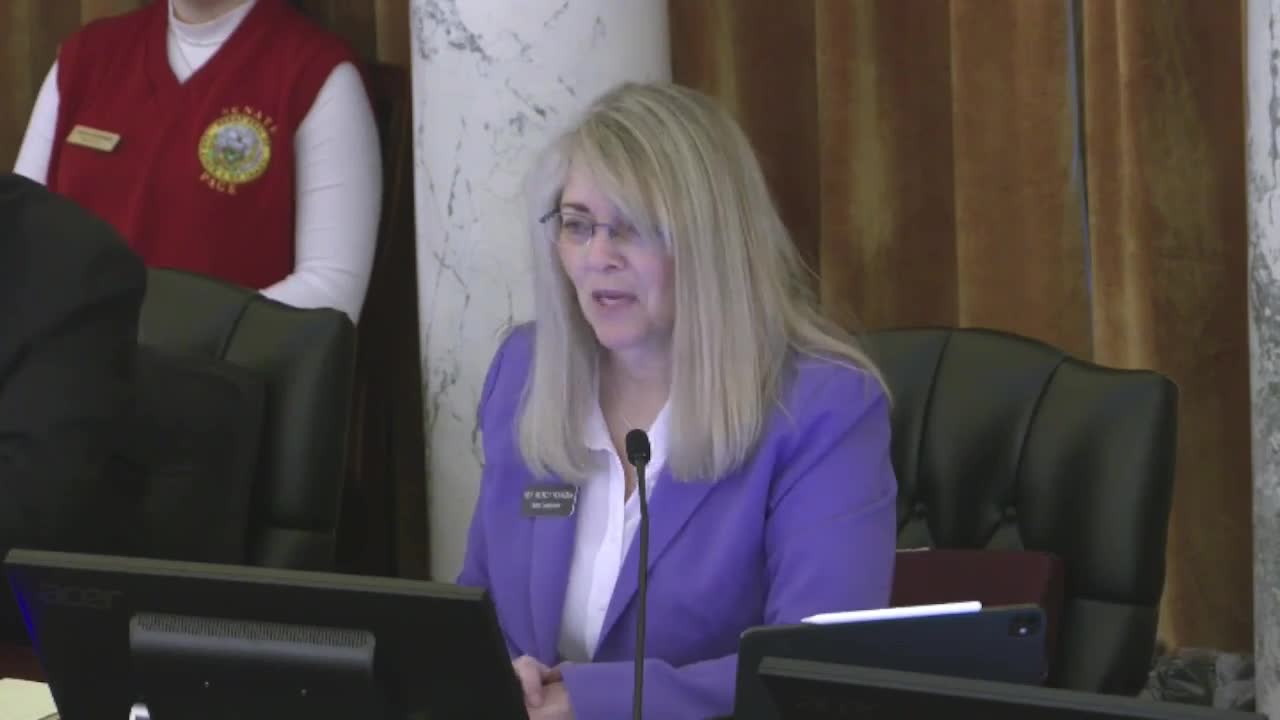
BOISE — Lawmakers on the Joint Finance‑Appropriations Committee debated four competing proposals for statewide change‑in‑employee‑compensation (CEC) for fiscal 2026 on Jan. 31 but failed to adopt any of them, leaving the subject for a future meeting.
Analysts presented four motions in the committee packet. One proposal would have provided a flat $1.55 per hour per permanent employee (with totals in committee materials of about $177.4 million in all funds). Another proposal combined a $1.55 per hour floor with a minimum 3% increase up to a salary threshold and produced a slightly higher total in staff calculations. A third proposal would have provided merit‑based increases of up to 4% distributed by agency leadership. The governor’s recommendation, included as a fourth option in the packet, was framed as a 5% merit increase contingent on distribution by merit and included supplemental adjustments for specific classifications in staff tables.
Representative Jeff Bybee, the committee analyst, explained the packet’s methodology and line‑item calculations, noting differences in how amounts would be distributed across classified and non‑classified employees, institutions of higher education, community colleges and public schools. The analysts also noted separate adjustments included in some motions for IT and engineering staff (4.5%), salary‑schedule parity funding for low‑paid positions, and additional funding for ISP troopers and for nursing and health‑care workers under some options.
Committee members debated the proper balance between flat increases and merit‑based raises. Senator Cook urged the panel to preserve merit‑based increases, saying, "what was America built on was built on merit," and argued that flat raises could reduce incentives for higher performance. Other members voiced concern for lower‑paid employees and for small school districts that lack insurance reserves and rely on per‑employee calculations when they receive state aid. Senator Ward Engelking and others also highlighted the impact on school district budgets.
Several procedural and drafting issues affected the debate. Members spent time clarifying how joint committee votes are calculated between the House and Senate, and some members asked that language and calculations in packet motions not be altered on the floor because small edits can change totals. Senator Wintrow asked whether a separate 8% increase for troopers was included in one motion; staff and the chair said adjustments not shown in the printed motion would create calculation errors and should be handled in subsequent votes with the correct language on the record.
The committee took multiple roll calls. Substitute and original motions were moved and seconded during the hearing but failed to gain the required majorities in subsequent joint roll calls. Representative Miller and Senator Cook each sponsored different motions; Representative Furness offered an alternate that included a 3% minimum up to a salary threshold. On later attempts the committee did not reach agreement and the motions failed in House and Senate tallies as recorded.
Committee leaders closed the discussion without adopting a CEC option and told agency staff awaiting hearings that they would be rescheduled. The chair said the motions were "too complex to calculate on the fly" and the committee would return to the matter on another day.
Because no CEC motion passed, the committee did not send pay‑increase language forward and left distribution rules, trooper adjustments and certain classification increases unresolved.
Next steps: committee staff are expected to recirculate clarified motions and updated calculations for a future meeting; agencies scheduled to present after the CEC item were told they would be rescheduled.