Get Full Government Meeting Transcripts, Videos, & Alerts Forever!
Get email alerts on the Health And Welfare Reorganization topic
No spam. Unsubscribe anytime.
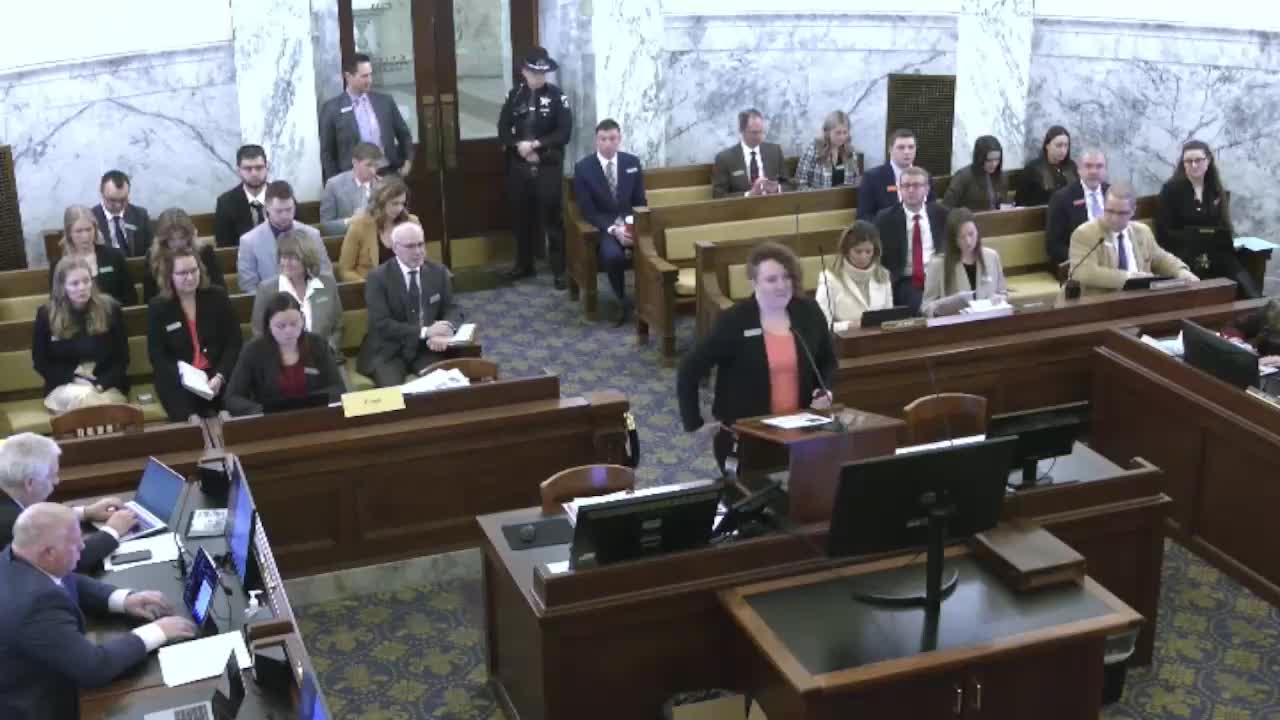
Idaho Health and Welfare director outlines reorganization to align budget and operations
Summary
Director Alex Adams and Legislative Services analysts described a reorganization at the Idaho Department of Health and Welfare that shifts program alignments, creates new executive roles and moves some programs under Medicaid for administrative alignment; the changes are proposed to be reflected in the governor’s program maintenance budget.
Alex Williamson, a budget and policy analyst with the Legislative Services Office, and Alex Adams, director of the Idaho Department of Health and Welfare, presented the department’s organizational changes and explained why the budget request seeks to align appropriations with how the agency is actually operating.
The department’s request breaks out family and community services (FACS) as a separate division while placing remaining Medicaid and behavioral health work under an elevated Medicaid deputy director. Support Services and Licensing would be renamed the Division of Operations, and Public Health and Self Reliance would be grouped as Health and Human Services. The department also proposes to rename and refocus several programs: child welfare to Youth Safety and Permanency, service integration to Family and Community Partnerships, and developmental disability services to Early Learning and Development.
Director Alex Adams said the reorganization is intended to improve “line of visibility” and “lines of accountability” and to align internal administration with how the legislature budgets programs. "Budgets are laws, not suggestions," Adams said, describing a fiscal-management focus and the creation of a new chief financial officer position that reports directly to the director.
Major administrative changes described in the presentations include: - Creating a chief financial officer who will oversee the department’s financial services and report directly to the director. - Adding a fourth deputy director so Medicaid and child-welfare responsibilities have separate deputy-level oversight. - Moving behavioral health program staff to Medicaid oversight because behavioral-health services are now primarily managed through Medicaid contracts. - Shifting certain programs (Extended Employment Services and parts of community developmental disabilities) administratively into Medicaid where Medicaid staff already administered those programs. - Creating a legislative and regulatory affairs office responsible for tribal relations and public records requests.
The department provided an organizational chart and a staffing snapshot: the agency has about 3,000 employees, 74 buildings at 37 locations, and was authorized roughly 3,199.4 FTE (the presentation cited 03/1994 FTP wording in the budget book and showed a five-year average vacancy and fill rates). The presentation noted vacancy rates fluctuate and cited an example headcount vacancy number shown in the budget materials.
Williamson told the committee the agency requests the legislature’s support to align appropriations with the internal reporting structure; the changes are included in the governor’s program maintenance recommendation. Adams said most changes reflect existing operational responsibility rather than immediate program deliveries changes and that the budget amendment would make internal practice and legislative budget lines consistent.
Committee members asked about rationale and timing; Adams said many personnel moves represent "inside outsiders" from other state agencies who bring experience running large programs. He told members the department will return for division-level hearings throughout January, February and March to discuss specific budget items and staffing requests.
The committee did not take a formal vote on the reorganization proposal during the overview presentation. Committee members and budget staff agreed to review line-item materials and continue division-level hearings on schedule.