Get Full Government Meeting Transcripts, Videos, & Alerts Forever!
Get email alerts on the Lobbying Reform topic
No spam. Unsubscribe anytime.
Committee advances lobbying recodification; indirect-lobbying rules and university disclosures added
Summary
House Bill 398 reorganizes the state's lobbying statutes, adds a definition of indirect lobbying, requires year-round monthly reports from registered lobbyists and 48-hour reporting for indirect lobbying expenditures of $100 or more; the committee sent the bill to the floor with a due-pass recommendation.
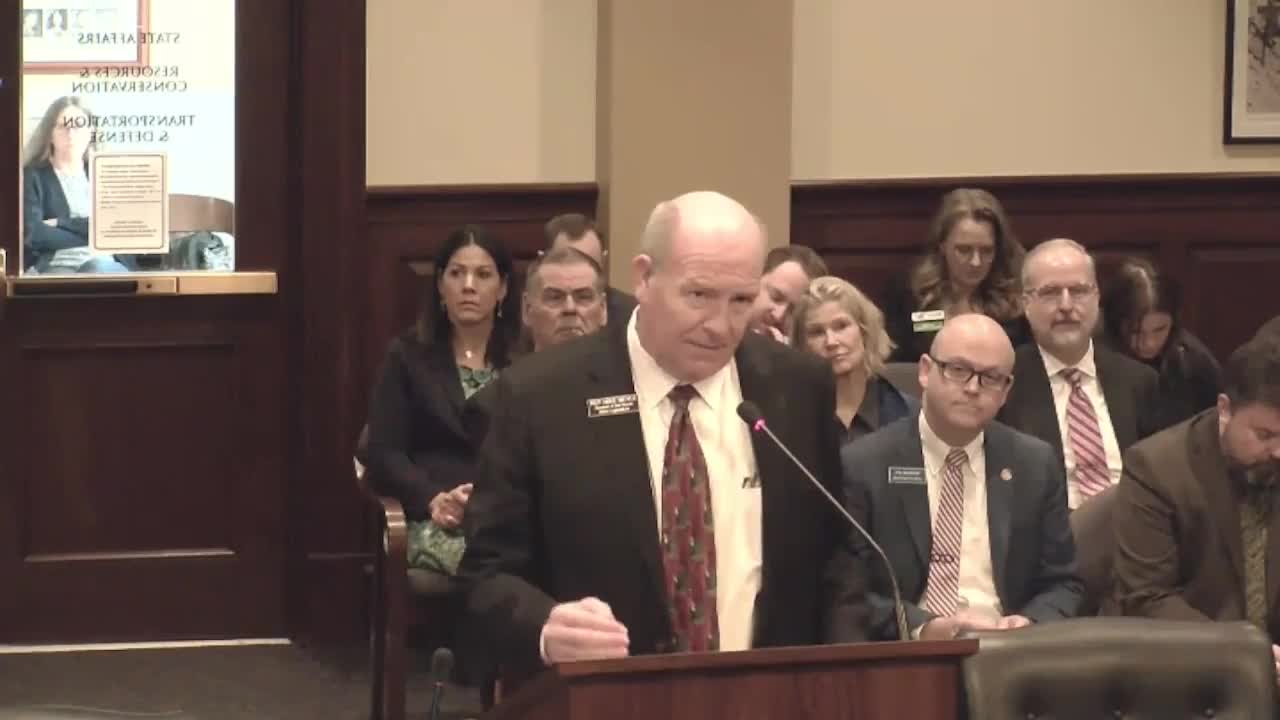
Representative Bruce Skog presented a reorganization of Idaho's lobbying statutes that, supporters said, brings the code into line with contemporary practices such as paid social media, mailings and other indirect efforts to influence lawmakers.
The bill moves existing lobbying law into a reorganized structure, adds a definition of "indirect lobbying" (in-language that covers email, text messaging, social media posts, billboards and other communications intended to influence public opinion about pending legislation), requires monthly year-round reporting for registered lobbyists, and requires 48-hour reporting for indirect lobbying expenditures of $100 or more. The RS also requires state entities, including universities, to disclose the subject of their lobbying activity in addition to expenditures.
Why it matters: supporters said the changes close a transparency gap created by modern communications; critics worried the language could chill legitimate public education and advocacy by nonprofits and increase administrative burdens.
What supporters said
Skog told the committee the bill "does not make any substantive changes except" those he reviewed and that the indirect lobbying definition is intended to capture contemporary tactics used to influence legislators. Secretary McGrane told members the changes respond to a rise in money spent on indirect lobbying this session, and he described the approach as disclosure-focused rather than prohibitory.
Nonprofit testimony
Jonathan Oppenheimer, government-relations director for the Idaho Conservation League, testified in support but cautioned about constitutional limits on restricting speech and urged careful tailoring. He also noted a likely typographical error in the draft ("combination" used where "communication" was intended on page 11, line 15) and said his organization would audit its own communications to comply.
Questions and operational concerns
Members asked about the lobbyist registration fee (the bill retains a $10 fee as in current law) and about the scope of the indirect-lobbying definition; sponsors said compensated efforts to influence officials or paid expenditures directed to the public for influencing legislators would be covered. The committee discussed whether executive-branch officials and state employees are covered: testimony clarified routine internal contacts and non-compensated constituent advocacy are not captured, while state entities that spend funds to influence would need to report.
Formal action
- Representative Barbieri moved to send House Bill 398 to the floor with a due-pass recommendation. The motion carried. Representative Hostetler and Representative Scott were recorded as voting no.
Ending note
The committee advanced the reorganization and updated reporting rules to the floor. Supporters said the bill updates decades-old text for modern communications; opponents asked for careful attention to drafting to avoid unintended First Amendment or administrative consequences.