Get Full Government Meeting Transcripts, Videos, & Alerts Forever!
Get email alerts on the Child Welfare Timelines topic
No spam. Unsubscribe anytime.
Committee approves bill shortening foster‑care review timelines to speed permanency for children
Summary
Senate Bill 1090, presented by Rep. Dorothy Healy with Sen. Galloway in support, would shorten the timing of child‑welfare review hearings and alter custody/timelines in the Child Protective Act to reduce case stagnation and help children reach permanent homes sooner. The committee sent the bill to the House floor with a due‑pass recommendation.
Representative Dorothy Healy (R.-Dist. 15) presented Senate Bill 1090 to the House Health and Welfare Committee, saying the bill shortens review and custody timelines in the Child Protective Act so children move more quickly to safe, permanent homes.
Healy said the bill reduces the gap between review hearings from six months to two months and adjusts custody‑timeline thresholds (the printed bill language discussed changes in custody timelines to allow quicker court oversight). “Making these timeline changes allows for more frequent court oversight and brings the following benefits to the kids and families,” Healy told the committee, listing quicker resolution, reduced trauma and state savings on foster‑care costs.
Senator Galloway introduced the constituent who inspired the legislation, Natalie Baum, who testified about two foster children she and her family cared for and the delays her family experienced in securing permanency. Baum described long court delays and legal maneuvering that left her foster children in limbo and said the bill provides judges with limited tools to prioritize child safety when cases have dragged on.
Committee members asked about potential operational impacts, including whether more frequent hearings would increase workload for guardian ad litems. Jared Larson of the Department of Health and Welfare told the committee the goal of more frequent hearings is intensive case management to avoid case stagnation; the department’s fiscal note assumes quicker resolutions will lower overall system workload and foster‑care costs over time.
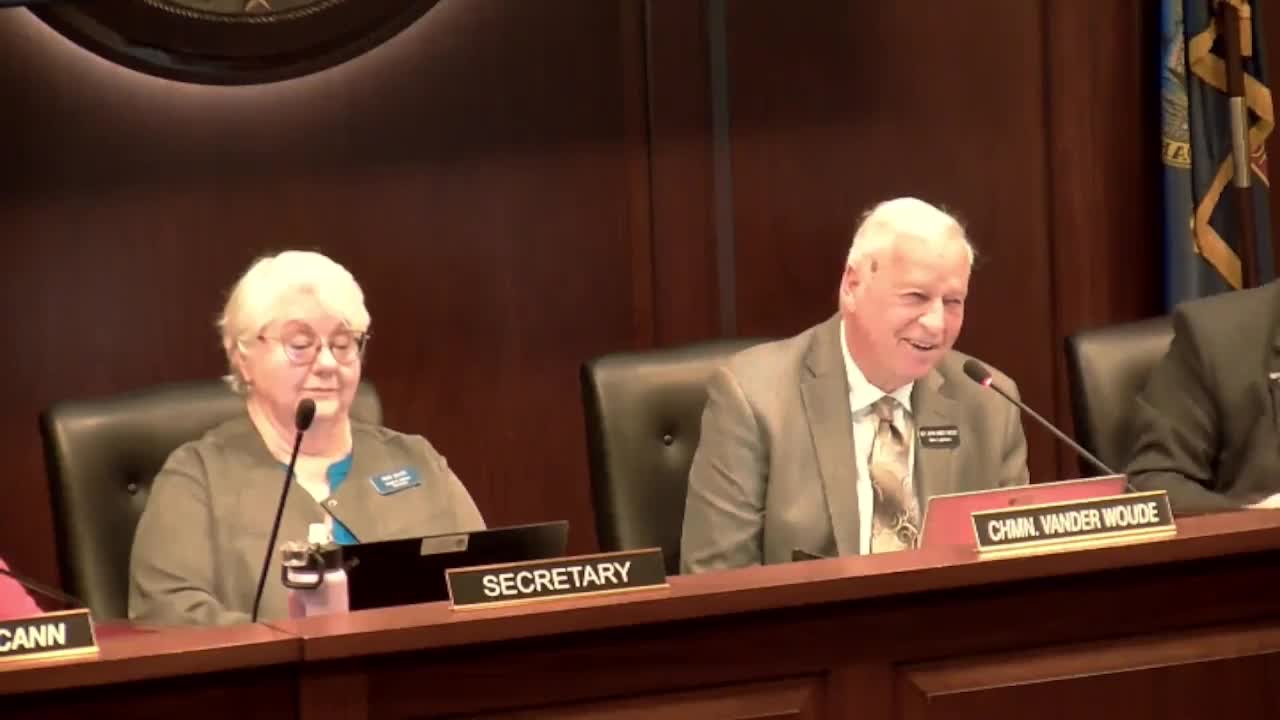
Representative Wheeler moved to send SB 1090 to the House floor with a due‑pass recommendation; the committee approved the motion by voice. The chair announced the bill would go to the floor with a due‑pass recommendation.
Why it matters: SB 1090 seeks to shorten the time children spend in unstable foster placements by increasing the frequency of judicial review and adjusting statutory custody timelines. Testimony came from foster parents who described traumatic outcomes they link to long‑running cases.
What’s next: SB 1090 will be carried to the House floor with a due‑pass recommendation; floor sponsors and committee staff will likely coordinate final floor language and any fiscal or operational details requested by agencies.