Get Full Government Meeting Transcripts, Videos, & Alerts Forever!
Get email alerts on the Sales Tax Distribution topic
No spam. Unsubscribe anytime.
Staff warns sales tax earmarks have cut share available to Idaho general fund, raising budget‑flexibility concerns
Summary
Budget staff reviewed sales tax distribution formulas, noting growth in earmarks (tax relief fund, Techum, school modernization) has reduced the percentage of sales tax flowing to the general fund and could magnify cuts during a recession.
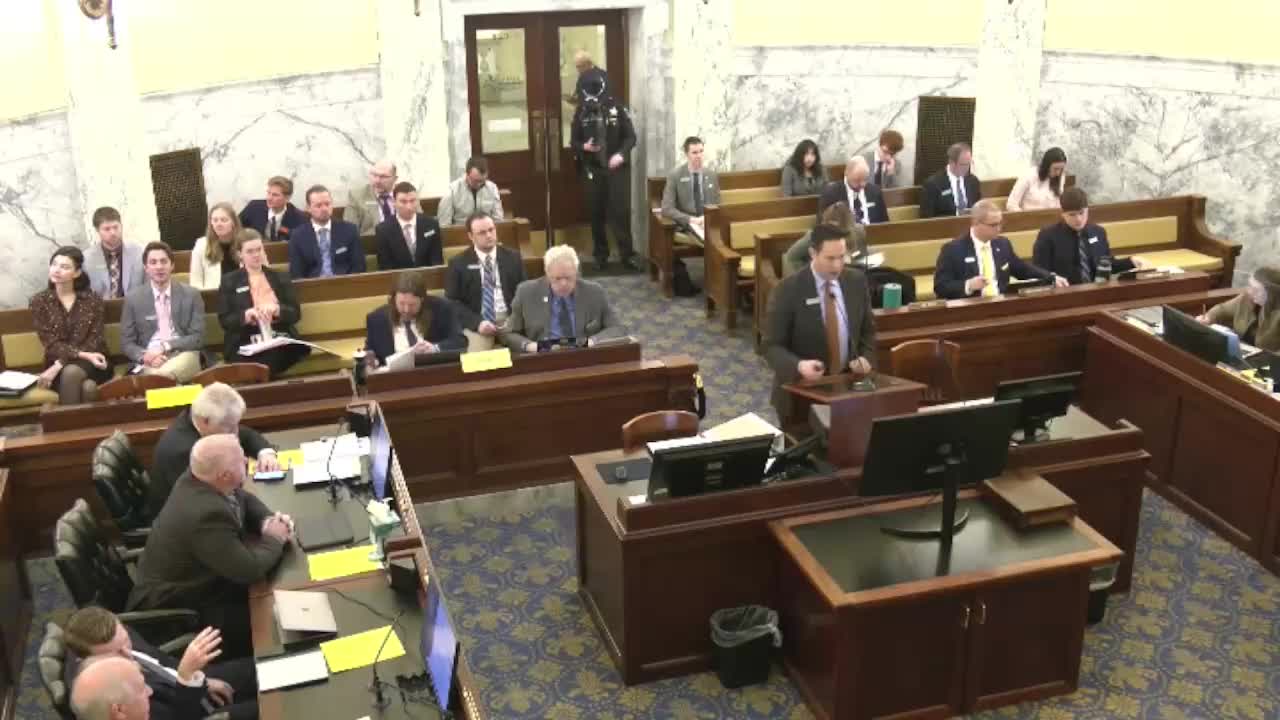
Budget Policy Division Manager Keith Bybee and staff briefed the Joint Finance and Appropriations Committee on sales tax distributions and the effect of statutory earmarks on the general fund.
Bybee walked through a multi‑page table in the legislative budget book showing gross sales tax collections, the tranfers out (refunds and the online sales tax transfer to the tax relief fund), and the statutory distribution formula found in Idaho Code §63‑36. He noted total sales tax collections have grown, but statutory distributions to programs and local governments have reduced the share flowing to the general fund. "Going into the Great Recession on the far left hand side of the page...the general fund received 85, almost 86% of sales tax collections," Bybee said. "You see now...the general fund would receive 65 percent of sales tax distributions."
Key statutory and program elements spelled out in the briefing: - An earmark for Techum (TechEm) currently receives 4.5% of net sales tax distributions; statute earmarks $80 million of that for bonding. Committee members discussed a proposal referenced in the meeting to add roughly $50 million for Techum bonding; Bybee said whether that additional $50 million would be new or drawn from the existing distribution matters because extra amounts could reduce the general fund. - The Tax Relief Fund receives the online‑retailer sales tax transfer; the Tax Relief Fund distributes 20% to the public schools facility fund and earmarks $236 million for the general fund under current projections. - Other statutory distributions include revenue sharing (11.5% of net collections) that flows to local governments and several state programs including a school modernization fund.
Bybee cautioned that as more sales tax revenue is routed by statute before JFAC acts, the committee has a smaller share of the sales tax available for general‑fund appropriation. He told members that sales tax is the state's least volatile major revenue source during recessions, and that higher earmarks now could force larger cuts to state programs during downturns. "What it may mean for this committee is more significant cuts," he said.
Committee members asked clarifying questions about Techum's percentage vs. fixed dollar treatment and what happens to bonding commitments if revenues decline; staff noted existing statutory language guarantees the $80 million and that further changes would depend on bill language.
Why it matters: Statutory earmarks and distribution formulas materially change the share of sales tax available for appropriation and affect JFAC's flexibility to respond to revenue downturns and to set priorities across state and local governments.