Get Full Government Meeting Transcripts, Videos, & Alerts Forever!
Get email alerts on the Fish And Game Budget topic
No spam. Unsubscribe anytime.
Fish and Game asks for one‑time projects, restoration funding after Valley Fire and website overhaul
Summary
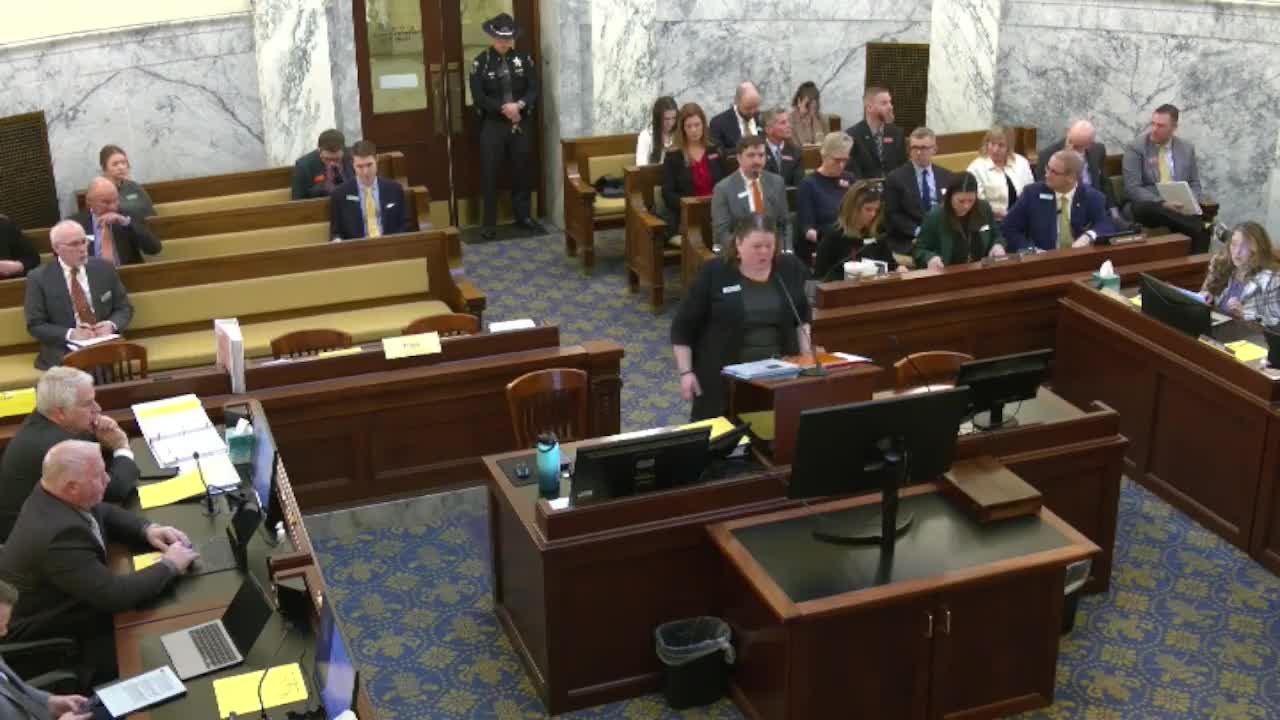
The Idaho Department of Fish and Game told the Joint Finance Committee on Oct. 24 that its 2026 request emphasizes one‑time projects and restoration work, including rehabilitation after the Valley Fire, hatchery maintenance and a website redesign.
The Idaho Department of Fish and Game told the Joint Finance Corporation Committee on Oct. 24 that its 2026 request emphasizes one‑time projects and restoration work, including rehabilitation after the Valley Fire, replacement and maintenance at hatcheries and an expected website redesign. The agency also explained a dip in license fund cash between fiscal years 2023 and 2024 was driven by federal grant billing timing and deliberate one‑time uses of reserves.
Janet Jessup, legislative services analyst, said Fish and Game does not receive general fund support and relies on dedicated license and permit revenues, plus federal grants. The department said it operates 19 state hatcheries and that personnel costs typically make up about half its expenditures. Director Jim Fredericks and administration bureau chief John Oswald answered committee questions about cash balances, the website overhaul and Valley Fire rehabilitation.
Why it matters: The department manages fisheries and wildlife programs that affect hunters, anglers, ranchers and rural communities and requested a mix of ongoing and one‑time funding for maintenance, depredation claims, habitat restoration and staffing to run facilities.
Key details: Jessup said the agency requested $18.2 million in enhancements for 2026, 88% of which are one‑time. Ongoing asks included software licenses (ArcGIS), lease support for a McCall subregional office and seasonal employee funding tied to Bonneville mitigation stewardship work. The agency reported ongoing appropriations in prior years for wolf census and depredation ($590,000) and maintenance backlog ($4.9 million), and $3 million for depredation claims in a prior year.
License fund balances and timing: Chief John Oswald attributed a FY24 dip in license cash balances to the department falling behind on federal grant billing in FY24 and catching up in FY25: “we fell behind several months and we have caught up in fiscal year 25,” he told the committee. Oswald said the department is deliberately using cash reserves in FY26 for one‑time projects including a regional salmon office remodel and the Pocatello office remodel.
Valley Fire rehabilitation: Fredericks said the immediate rehabilitation cost is expected to be about $750,000 but emphasized restoration will be multi‑year: “there will be costs that are ongoing for years,” he said. The department purchased seed, applied herbicide and is planning later sage and shrub plantings and infrastructure work; the agency said about two‑thirds of the burn footprint lies on department wildlife management area land and the department is negotiating with the utility on possible voluntary contributions to restoration.
Website and connectivity: Fredericks said phase 1 of a website modernization has spent a small portion of an initial $750,000 for discovery and audit work and that a completed redesign is expected to cost about $1.3 million in total based on peer state experience. The agency said it plans to proceed to procurement and can “jump on that straight away” at the start of the next fiscal year. The department also requested $65,000 for remote connectivity at several hatcheries and wildlife management areas; Oswald said technical specifications from the state ITS office (including point‑to‑point links in some locations) increased per‑site costs.
Fire rehabilitation and appropriations: Jessup noted the department typically lacks a dedicated fire rehabilitation appropriation and treated the Valley Fire request as an exceptional, mostly one‑time expenditure; Fredericks described ongoing restoration needs for wildlife winter range and infrastructure replacement.
Ending: Committee members asked for more detail on specific balances, timing and how one‑time projects will be executed; the department said more information is available in its budget packet and that it will follow up on requested items.