Get Full Government Meeting Transcripts, Videos, & Alerts Forever!
Get email alerts on the Techhelp Studio Blue topic
No spam. Unsubscribe anytime.
TechHelp asks for modest state investment as Studio Blue matures; director cites workforce impact metrics
Summary
Boise State's TechHelp presented its request to make Studio Blue staff more sustainable after federal grant funding declined, highlighted impact metrics for small and medium manufacturers and asked for a modest state-funded salary increase for a center director position.
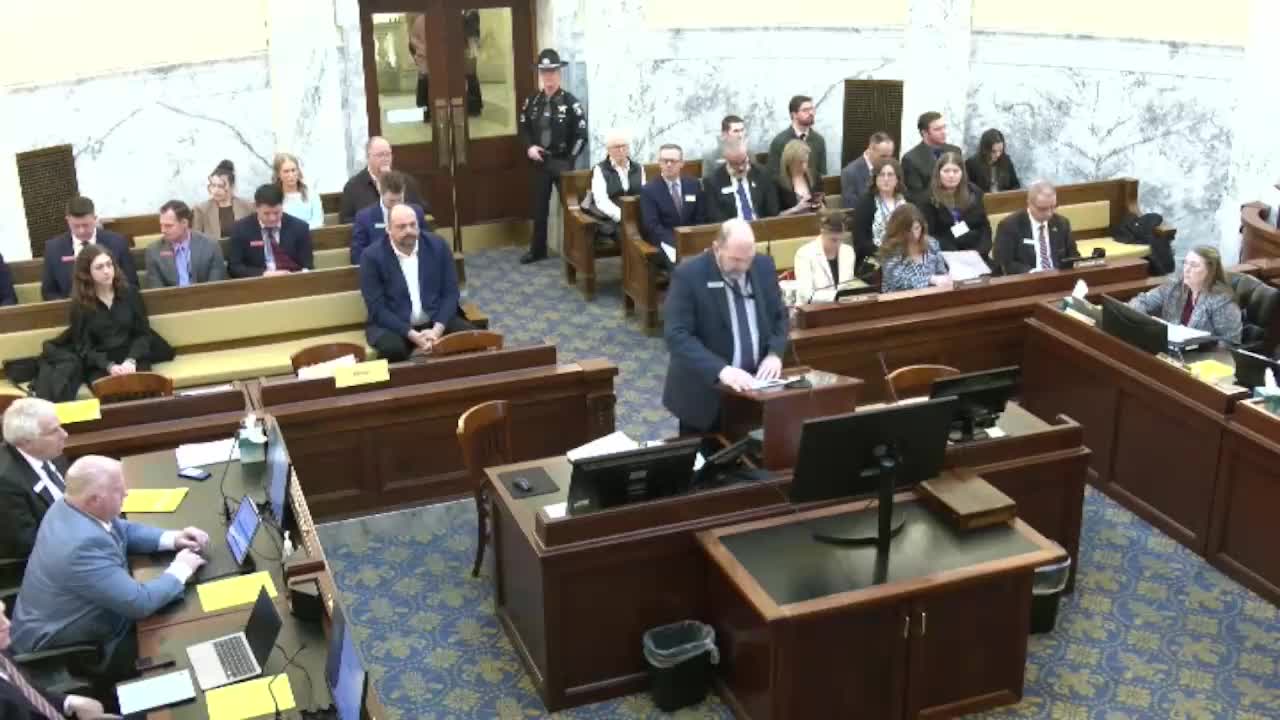
Kevin Campbell presented the TechHelp budget and described Studio Blue, a new-product-development arm that works with Idaho manufacturers and provides student experiential learning. Brad McDonald, TechHelp executive director, told the committee the program works statewide through university partnerships and measures impact using national "impact metrics" such as new and retained jobs, sales, cost savings, investments and client-reported outcomes.
McDonald described Studio Blue as focused on three pillars: design, create and launch; projects provide students with substantial experiential hours and aim to help small and medium manufacturers with product development and workforce connections. "The principal way that we measure is as a part of the national network, we have what are called impact metrics," McDonald said, adding that an independent third party surveys clients about outcomes and satisfaction.
TechHelp requested a small state-funded increase associated with the Studio Blue center director position after a key federal grant that had funded the role expired. The request in the presentation was for a $5,000 state allocation directed to that position and an ongoing effort to stabilize funding; TechHelp said it will continue to blend federal grants, client revenue and state appropriation to sustain operations. Committee members asked for the program's impact data; McDonald offered to provide the quarterly impact metrics and related reports.
Why it matters: TechHelp ties university research and student training to private-sector manufacturing needs. The committee asked for independent impact metrics and more detail about how the requested appropriation would support workforce development and client outcomes.
What comes next: TechHelp will provide the committee its impact metrics and follow up on how a more predictable state appropriation would expand student placements and company engagements.