Get Full Government Meeting Transcripts, Videos, & Alerts Forever!
Get email alerts on the Budget Process topic
No spam. Unsubscribe anytime.
JFAC staff outlines program maintenance bill structure, timelines and what is included
Summary
Budget staff briefed JFAC on the organization of program maintenance appropriations into 10 functional areas, what maintenance vs. enhancement bills will include, and upcoming hearing schedule.
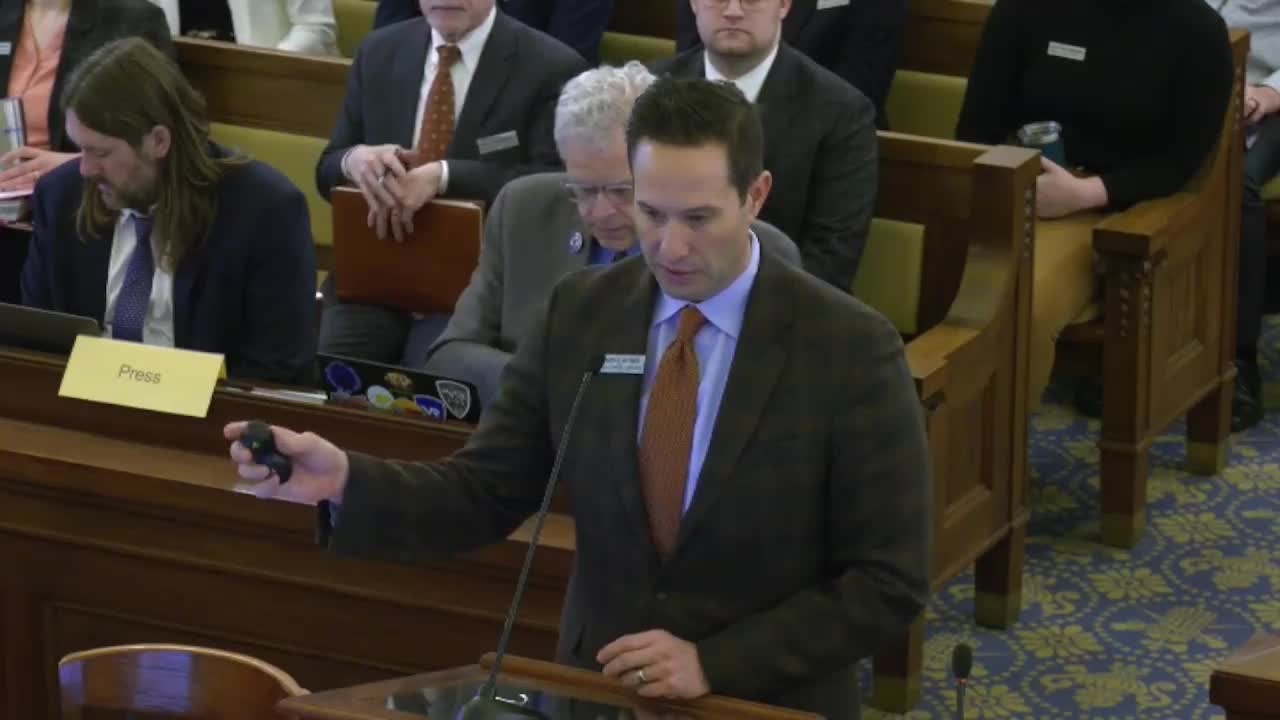
Budget Policy Division Manager Keith Bybee briefed the Joint Finance and Appropriations Committee on how program maintenance appropriations are organized and what JFAC will consider during the coming week's hearings.
Bybee said program maintenance bills are organized into 10 basic functional areas of state government and explained why some areas (legislative branch, statewide elected officials, judicial branch, public school support) are split out rather than bundled with general government budgets. "We organize the program maintenance bills into 10 basic areas of state government," Bybee said, and described maintenance as the building‑block adjustments between the FY2026 base and the next benchmark.
Bybee listed the main components of program maintenance: personnel benefit cost adjustments (including health insurance and PERSI), contract inflation for ongoing leases and vendor contracts, statewide cost allocation (SWCAP) reimbursements, and inclusion of the CEC adjustments in the program maintenance bills this year. He said the intent is to include all of the CEC in the program maintenance bills rather than separate them as in a prior year to standardize decision making.
Bybee explained enhancement bills will contain replacement items (including a separate decision unit for IT replacements), annualizations, general inflation requests, and population forecast adjustments (what the staff previously called "nondiscretionary"). He and co‑chairs said population forecast adjustments historically have been a major driver of growth (for example, Medicaid and public schools) and placing them in enhancement bills provides more transparency and more opportunity for legislative action.
Schedule and process: Bybee said an initial hearing on program maintenance adjustments will occur Wednesday next week with decision making scheduled for Friday the 17th; the co‑chairs indicated four budget groups will be addressed Thursday to give members time to review ahead of Friday decisions. Bybee and committee leaders emphasized members will receive bills and packet language in advance to "marinate in the data" before votes.
Why it matters: The program maintenance bills set the baseline for agency budgets and include statewide cost adjustments that affect all agencies. Bybee stressed that accepting program maintenance does not preclude later changes; the committee can add or subtract items and has precedent for creating new sections or separating programs.
No formal action was required on this briefing; it is preparatory for hearings and votes scheduled next week.