Get Full Government Meeting Transcripts, Videos, & Alerts Forever!
Get email alerts on the Budget Process topic
No spam. Unsubscribe anytime.
Committee staff outline streamlined budget-hearing format, consolidated materials in SharePoint
Summary
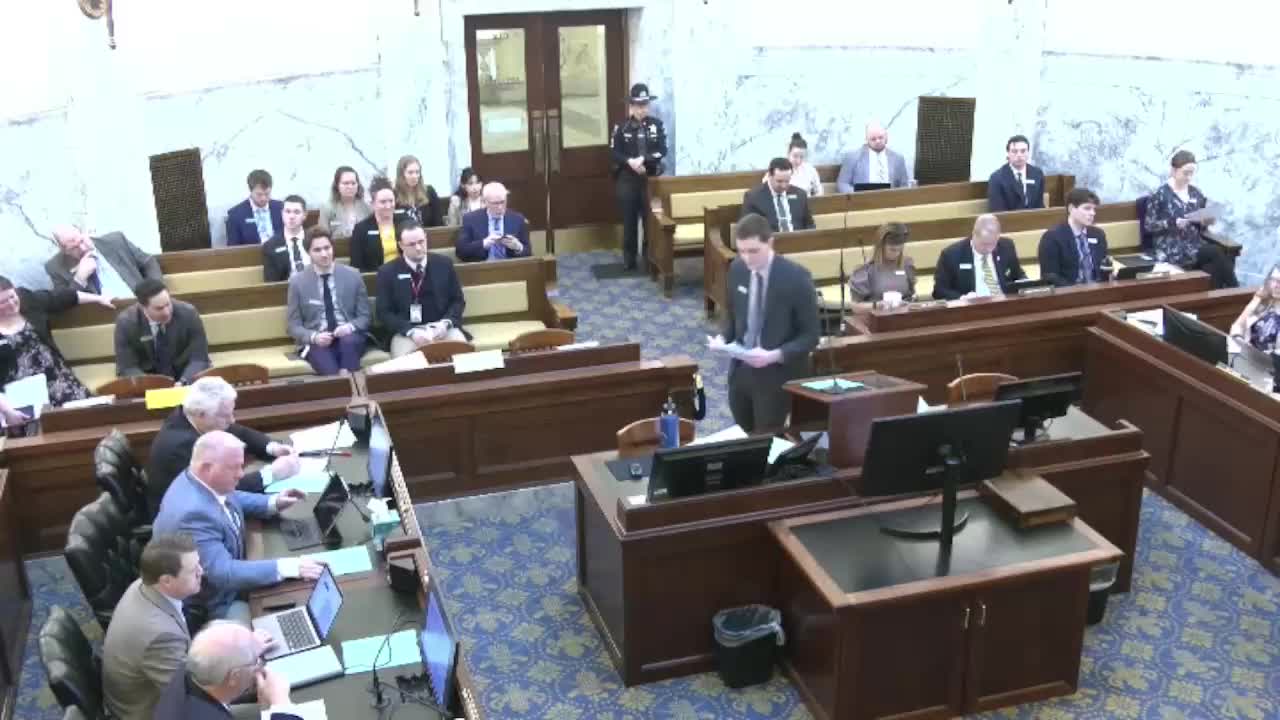
Janet Jessup of the Legislative Services Office walked the Joint Finance and Appropriations Committee through the new, condensed hearing presentation format, the consolidated fund analysis, account categories and how members should use SharePoint and the legislative budget book during the session.
Janet Jessup, budget and policy analyst with the Legislative Services Office, presented the committee’s updated budget‑hearing format and explained the materials members will see during the 2025 session. The briefing emphasized a shorter, more focused hearing period, standardized slides across agency presentations, and a shared electronic repository for materials.
Jessup said each agency presentation will follow a standard format: a short agency description and statutory citations; an organizational chart showing how full‑time personnel are distributed across major functions; a consolidated fund analysis listing dedicated, federal and general‑fund resources and ending balances; a five‑year trend of appropriations and expenditures; a breakout of the agency’s fiscal‑year expenditures by account category (personnel costs, operating expenditures, trustee and benefit payments, capital outlay); and a three‑year window that places actual fiscal-year spending (FY2024), the current year (FY2025) and the budget year under consideration (FY2026) in context.
Jessup explained that the consolidated fund analysis lists dedicated funds that are restricted by code or statute and are not available to other agencies. She also described the personnel-cost (PC) reporting included on slides: a headcount and vacant‑position snapshot plus a five‑year average that will help members identify atypical salary‑savings patterns. Members discussed salary savings and were reminded that one‑time savings should not be used for ongoing salary increases.
Jessup advised members how to use the committee’s SharePoint repository: meeting packages for each agency are organized by page number and include the legislative budget-book pages, LSO budget slides, agency-provided slides, and any hearing follow-up. She said the goal is to avoid large printed binders and let members click through to linked reports (audits, agency reports, fiscal-source-book fund descriptions) during hearings.
Committee co-chairs reinforced the practical expectations: hearings are reduced to roughly 90 minutes each morning, members should attend and be on time, and work groups are expected to review agency materials and the linked documents for the agencies they oversee. Jessup also noted that the Compensation Estimating Conference (CEC) adjustments were handled differently in last year’s submissions and that committee staff would present CEC results to the committee as they become available.
The briefing concluded with an offer from staff to provide printed cheat‑sheets (account-category rules and common object codes) and further navigation help for SharePoint.