Get Full Government Meeting Transcripts, Videos, & Alerts Forever!
Get email alerts on the Health Insurance Exchange topic
No spam. Unsubscribe anytime.
Your Health Idaho reports record enrollments and strong customer scores, outlines next steps
Summary
Pat Kelly, executive director of Your Health Idaho, told the Senate Health and Welfare Committee that open enrollment 2025 produced record plan selections and high customer‑satisfaction scores; the exchange is self‑funded and will shift assessment revenue to a per‑member fee in 2025.
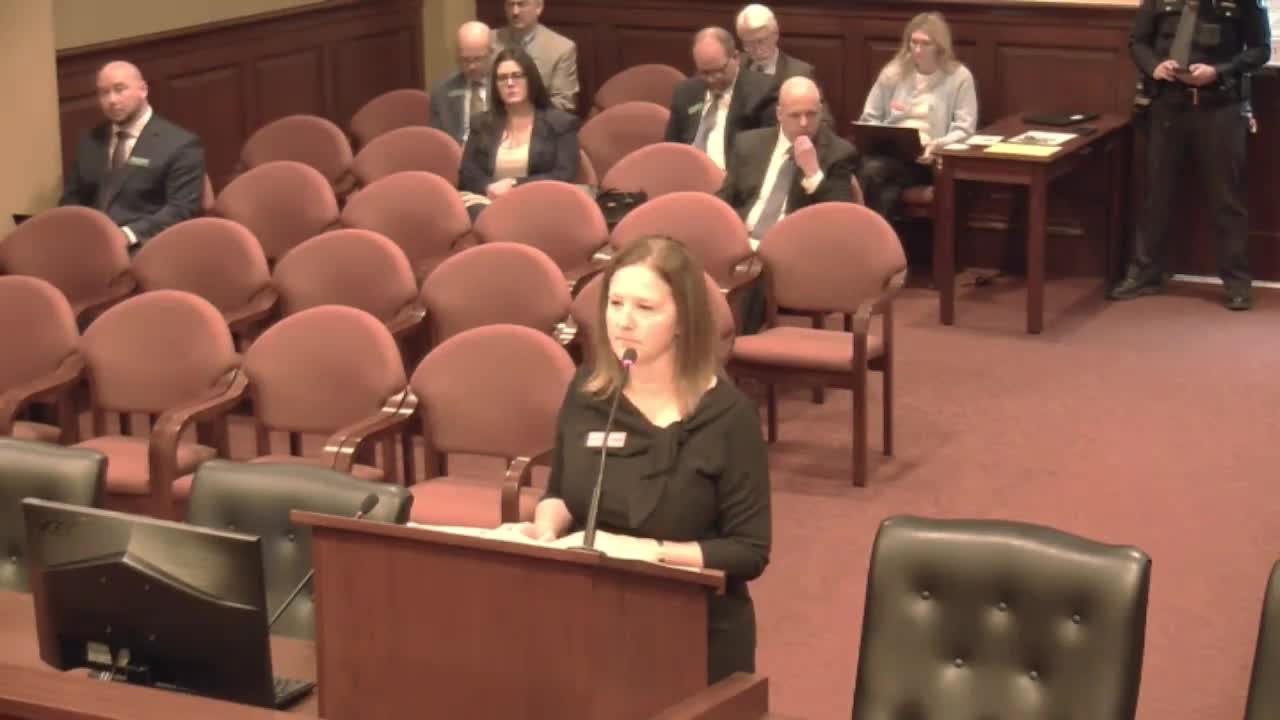
Pat Kelly, executive director of Your Health Idaho, briefed the Senate Health and Welfare Committee on the exchange’s 2024 operations and open enrollment 2025 results, reporting record enrollments, high customer satisfaction and planned operational changes.
Kelly said over 139,000 Idahoans selected a plan during open enrollment 2025 and that Your Health Idaho’s enrollment has grown 84 percent since October 2022. He told the committee that over 90 percent of enrollees receive a federal premium tax credit, 68 percent renewed coverage from the prior year, and the organization achieved a Net Promoter Score of 73 in 2024 and again for the most recent open enrollment, a level Kelly characterized as “world class.” Kelly said the exchange is financially self‑sustaining, receives no state funding, and maintains cash reserves equal to 6 to 9 months of operating expenses.
Kelly reviewed operational improvements: investments in technology and self‑service tools that now complete about 90 percent of enrollments, a new website and help center, expanded bilingual customer advocates, and a shift in the assessment from a percentage of premium to a per‑member‑per‑month fee to increase revenue predictability.
Senator Wintrow asked about the exchange’s “Medicaid expansion repeal impacts” summary. Kelly said of an 85,000‑person Medicaid expansion population, 19,100 have incomes between 101 percent and 138 percent of the federal poverty level and would become eligible for tax credits if they left Medicaid and enrolled on the exchange; the remaining individuals would fall into a coverage gap and would not be eligible for exchange tax credits. Kelly deferred detailed Medicaid‑eligibility questions to the Idaho Department of Health and Welfare.
Kelly said the exchange plans continued outreach, agent and counselor training, and tools to help Idahoans evaluate employer‑sponsored plan affordability.