Get Full Government Meeting Transcripts, Videos, & Alerts Forever!
Get email alerts on the Psychiatric Hospitalization topic
No spam. Unsubscribe anytime.
All three state hospitals accredited; committee hears rising civil-commitment costs and competency caseload surge
Summary
Committee members were told State Hospital North, South and West are accredited and billing Medicaid; the Department of Health and Welfare reported growing civil-commitment costs and a sharp increase in "restoration to competency" cases that are filling state hospital beds.
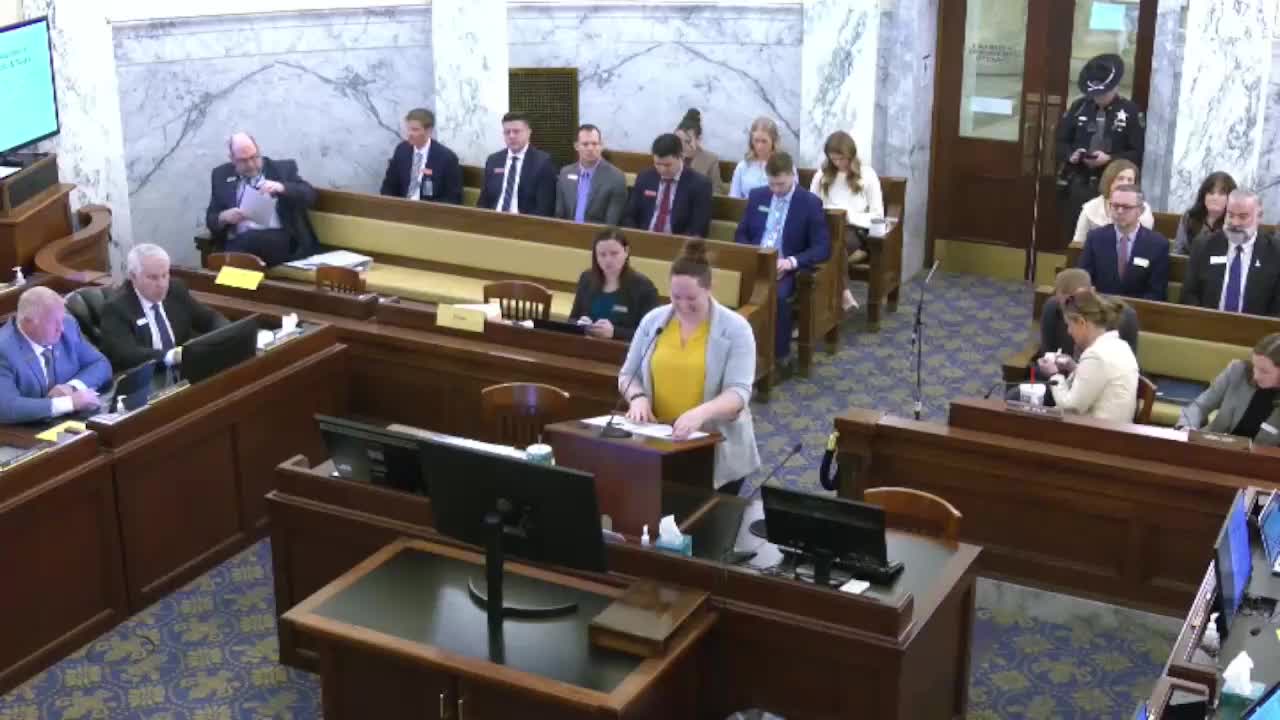
Alex Leanson and Alex Williamson of the Legislative Services Office presented the Division of Psychiatric Hospitalization budget and noted accreditation, billing changes and requests for supplemental funding tied to civil commitment costs.
Department of Health and Welfare Director Alex Adams confirmed to the committee that all three state hospitals are now accredited. "We are pleased that all 3 facilities are now accredited," Adams said, adding that accreditation allows hospitals to bill Medicaid for eligible stays and shifts some costs from the general fund to federal receipts. Adams said State Hospital West has billed about $1.6 million and received $1.3 million in receipts so far.
The division requested a one-time supplemental of $2.6 million from the General Fund to cover higher civil-commitment expenditures in fiscal year 2025. Alex Williamson explained this request is connected to changes enacted in Senate Bill 1327 of 2022 that shifted responsibility for certain civil-commitment costs to the state. Williamson said the department is now footing the bill for mental holds and related costs that previously were the counties' responsibility.
Adams and division leader Ross Edmonds described how patient length of stay affects billing. Adams explained a federal rule tied to Medicaid reimbursement: "60 days or less Medicaid will cover, 60 days or more, Medicaid, is out entirely." Edmonds said the share of admissions longer than 60 days rose from roughly 17% to about 37%; when stays exceed 60 days the state cannot claim federal Medicaid reimbursement for those patients.
Committee members pressed officials about staffing, vacancies and demand. Adams reported vacancy rates at the hospitals: 0% at State Hospital West, 2.8% at State Hospital South and 11.5% at State Hospital North. Edmonds said demand for holds and related hospitalizations has grown year over year. He noted that civil commitments have been fairly flat but that restoration-to-competency commitments have risen dramatically: "over the last 10 years, we've seen about a 600% increase in the restoration to competency increases," Edmonds said, and added that "nearly all of them" are restored to competency within the statutory timeframes; he estimated about 5% or less are not restorable.
Why it matters: rising restoration-to-competency caseloads and longer stays increase costs borne by the state and reduce capacity for other patients. Accreditation helps hospitals seek Medicaid receipts to offset costs, but the committee was told shifts in the patient mix and longer stays are creating budget pressure and prompted the supplemental request.
What comes next: the committee will consider the requested one-time supplemental and related receipt and fund-shift language in the psychiatric hospitalization appropriation.