Get Full Government Meeting Transcripts, Videos, & Alerts Forever!
Get email alerts on the Community College Tuition Cap topic
No spam. Unsubscribe anytime.
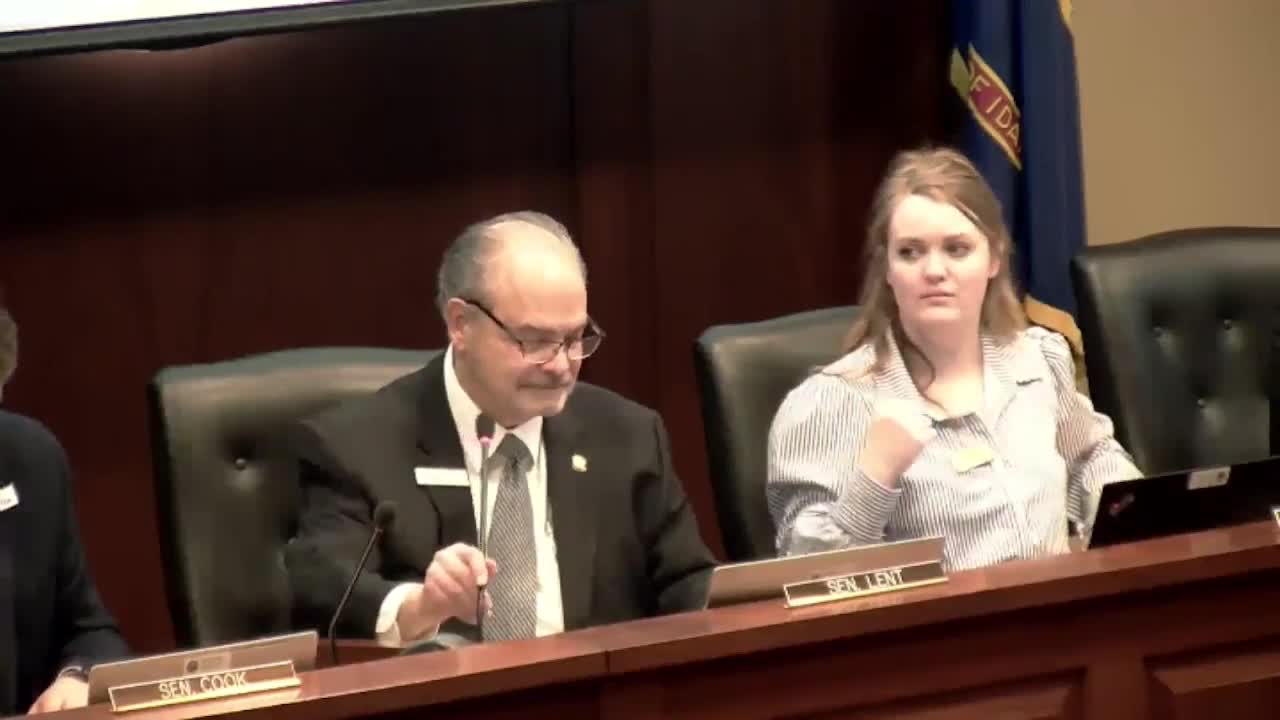
Senate committee approves moving House Bill 79 to floor to raise community college tuition cap
Summary
The Senate Education Committee voted to send House Bill 79 to the Senate floor with a due-pass recommendation. Sponsor James Petzke said the bill updates a tuition cap that has not been adjusted in code since 2008 and would allow community colleges limited, periodic tuition increases.
The Senate Education Committee voted to send House Bill 79 to the Senate floor with a due-pass recommendation after a short presentation by the bill sponsor.
Representative James Petzke, R‑Meridian, told the committee the bill “is really just changing one number” in state law: the tuition‑rate cap that applies to community colleges. “This number has not been changed in code since I believe ’02/2008,” Petzke said, adding that community colleges reached the cap around 2016 and “since that time, they have not been able to adjust their tuition at all to account for inflationary increases in their costs.”
Why it matters: Petzke said the change would allow community colleges limited flexibility to raise tuition to keep pace with rising costs for instruction and operations. He described community college finance as relying on “three stools”: locally voted property taxes, state general‑fund appropriations and tuition revenue. “If we don't allow them to occasionally raise their tuition rates, that means that they're going to have to rely more heavily on property and state tax dollars,” he said.
Key details and limits: Under current code, colleges may raise tuition up to 10% per year; the bill would keep an annual 10% cap in place while increasing the statutory ceiling to a new maximum of $32.50 (as described by the sponsor). Petzke said community colleges have discussed using a more modest initial increase—about 5%—and estimated that, at 5% per year, it would take roughly 10 years to reach the new statutory cap. If a college took the maximum 10% in a single year, Petzke said it would reach the cap in about three years.
Committee action: After questions from committee members about how community colleges differ from the university system and how taxing districts operate, a senator moved that the committee send the bill to the Senate floor with a due‑pass recommendation. The motion was seconded, and the committee approved the measure by voice vote. The transcript records a voice vote and does not supply a roll‑call tally.
What the bill does not do: The legislation as presented does not change the university tuition process (State Board of Education controls university tuition rates) and does not itself appropriate new state dollars. It changes the statutory tuition cap that governs community colleges; any future appropriations or additional funding would proceed through the budget process.
Next steps: The bill will proceed to the Senate floor for consideration. If passed by the Senate and enacted, locally elected community college boards would still need to vote to raise tuition within the annual limits set by statute.