Get Full Government Meeting Transcripts, Videos, & Alerts Forever!
Get email alerts on the Board Of Tax Appeals Per Diem topic
No spam. Unsubscribe anytime.
Board of Tax Appeals asks legislature to raise member per diem from $300 to $400
Summary
The Idaho Board of Tax Appeals requested a $29,200 ongoing increase to raise the three-member board's per diem from $300 to $400 per day, a change the agency says would require amending Idaho Code §63-3804. Directors and legislators questioned workload, training and budget timing during the JFAC hearing.
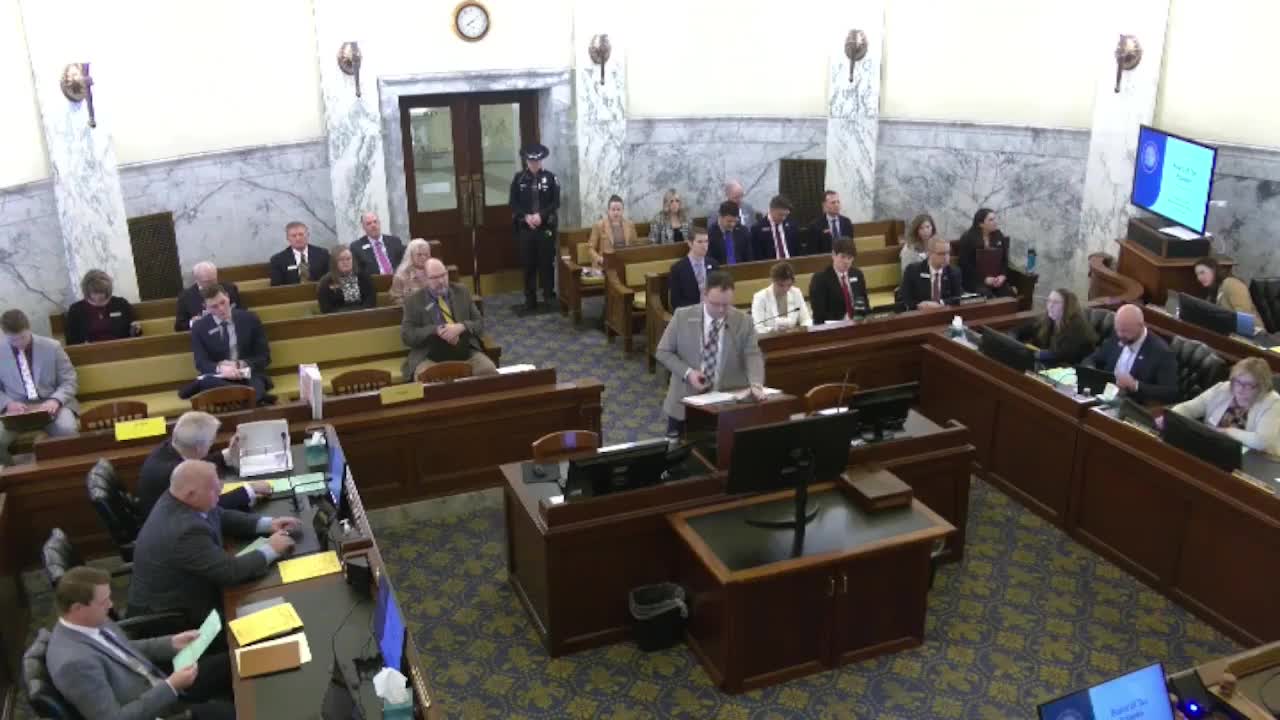
The Board of Tax Appeals asked the Joint Finance-Appropriations Committee for a $29,200 ongoing general-fund increase to raise the three-member board’s per diem from $300 to $400 a day, board staff told the committee.
Legislative analyst Christopher LaHozet of the Legislative Services Office said the requested increase would raise the effective hourly rate the board members receive (based on the agency’s 80-day model) from about $37.50 to about $50 per hour and that the change would require legislation to amend Idaho Code §63-3804.
The board’s director, Cindy Pollock, told lawmakers the board is funded for roughly 80 days of work per year and that board members perform hearing preparation, in-person hearings across the state and post‑hearing decision work. Pollock said the agency typically handles about 300 appeals a year on average but has had single-county spikes — for example, 600 appeals from Bannock County after a catastrophe — and that complex hearings can run multiple days.
Lawmakers pressed the agency on whether per-diem pay already on the books covers preparation and decision time. Pollock said the board’s internal model breaks prep and decision time into hourly accounting and that the board is trained for about a year before undertaking hearings, including an intensive two-week judicial-college course in Reno for new members.
Representative Tanner and other members noted that the agency reverted unspent funds in FY2024 (about $80,000 across personnel, operating and capital categories) and asked whether the requested $29,200 was necessary given those reversions. Pollock responded that reversions reflect unused board time and travel savings in years with fewer hearings, and that increasing the per diem affects the pay rate rather than the number of days used; unused funds would still revert.
During questioning, Pollock said the agency maintains a small cross‑trained staff and produces decisions that can run 20 pages or more with findings of fact and conclusions of law, and that 39% of appellants in a 10-year average received a modification in their favor. The board is primarily funded from the General Fund, has four authorized full-time positions (FTP) after a prior reduction, and its statutory authorization is recorded in Idaho Code §63-3801.
No formal committee vote was recorded on the per-diem request during the hearing; the agency’s request will require legislative action to change the statutory per-diem language in §63-3804.