Get Full Government Meeting Transcripts, Videos, & Alerts Forever!
Get email alerts on the Grazing And Ranching Impacts topic
No spam. Unsubscribe anytime.
Ranchers tell committee wildfire closures and grazing rules deepen financial losses; some counties use ordinances to protect grazing rights
Summary
Ranchers described cattle losses, feed and fencing damage from recent fires and urged more flexible grazing access on burned federal allotments. Former county officials described local ordinances that attempt to preserve grazing rights and enable prescribed burns under county oversight.
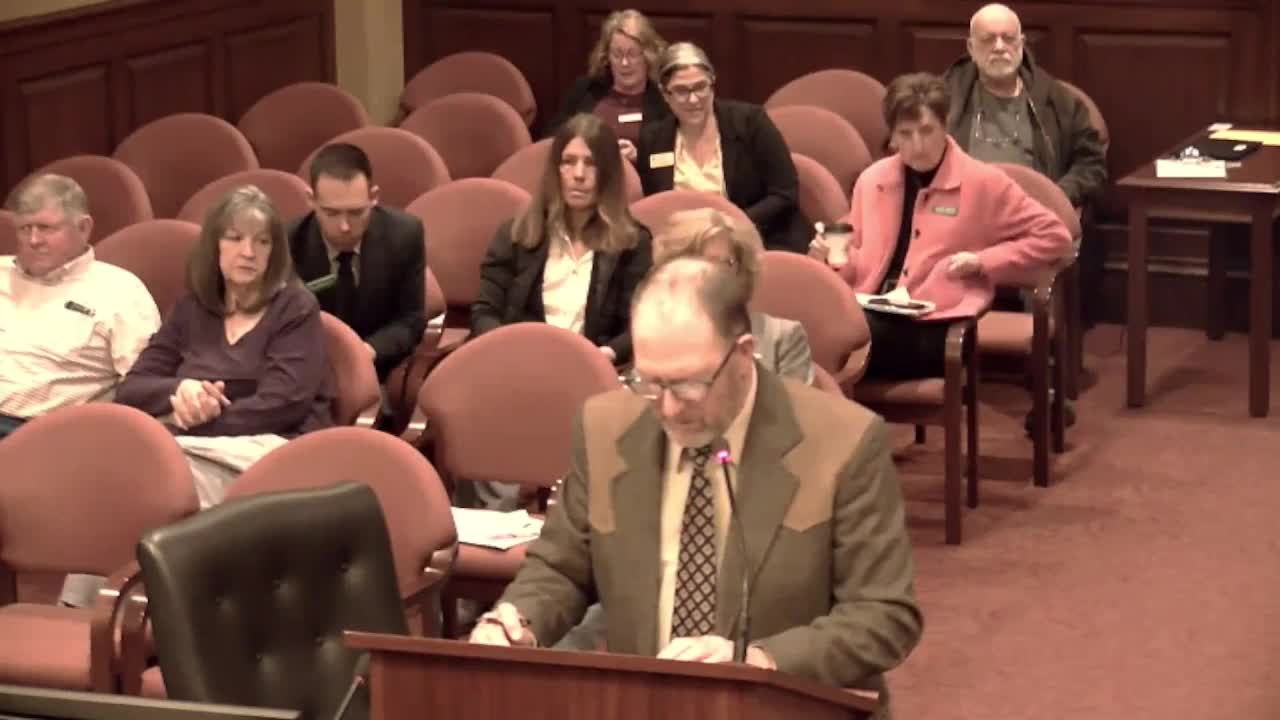
Several ranchers and a former county commissioner told the Idaho Senate Agricultural Committee that recent wildfires have produced direct financial losses, strained grazing operations and that some federal post‑fire closures and permitting rules limit early rehabilitation and managed grazing solutions.
Ranchers’ losses: Midvale ranchers said multiple fires destroyed grazing for seasons and caused direct cattle losses. Steve Sutton, who ranches in Midvale and spoke for the Idaho Cattle Association, said the Paddock Valley Fire burned 87,000 acres and destroyed spring, summer, fall and winter pasture for about 600 cow/calf pairs on his operation; he said he was forced to sell a substantial number of cows and saw calf weights drop 60 to 80 pounds. Marlon Wolf, a Midvale rancher, estimated direct financial impacts to his family’s operation in excess of $100,000 from losses, added labor and disrupted operations and said insurance coverage was not available to replace cattle lost in a 2024 fire after prior payments led to policy cancellation.
Grazing access and closures: Witnesses described a “hard two‑year closure” policy on some federal allotments that prevents earlier managed grazing, and they urged agency flexibility to allow targeted or managed grazing that could reduce fine fuels and help recovery. Sutton described cases where local BLM staff later approved more flexible grazing but said such approvals were ad hoc and inconsistent and that permitting flexibility is difficult to achieve on a predictable schedule.
County solutions and property rights: Kirk Chandler, a former county commissioner, described county ordinances his county adopted to protect local grazing and allow regulated prescribed burns, arguing federal statutes such as the National Forest Organic Act and FLPMA do not remove counties’ ability to act and that local ordinances and sheriff involvement can enforce grazing rights and county burn rules. Chandler said the ordinances require written landowner approval for prescribed burns, establish burn start/stop dates and provide sheriff enforcement options to prevent unsafe or unauthorized burns. He reported these ordinances have been used locally to prompt agency adjustments in some incidents.
Why it matters: Ranchers argued that earlier, targeted grazing and salvage/rehab actions reduce long‑term forage loss and can reduce the risk of larger fires. They asked the legislature and state agencies to seek more operational flexibility from federal land managers and to consider county tools that protect private grazing rights.
Ending: The committee heard requests for more predictable, flexible grazing policy on federal allotments after fires, and for support to repair fencing and recover forage; no formal committee decision was recorded.