Get Full Government Meeting Transcripts, Videos, & Alerts Forever!
Get email alerts on the Salvage Logging topic
No spam. Unsubscribe anytime.
Adams County leaders and loggers urge faster salvage harvests after catastrophic western wildfires
Summary
Adams County Commissioner Vicki Purdy and timber industry speakers told the Idaho Senate Agricultural Committee that delays in salvaging burned timber on federal lands reduce value, hinder infrastructure repairs and slow forest rehabilitation, and urged changes to Forest Service policy and faster permitting.
Adams County Commissioner Vicki Purdy and loggers told the Idaho Senate Agricultural Committee on Tuesday that the state’s rural forests and timber communities are suffering economic and environmental damage after recent large fires, and that quicker salvage harvesting on federal lands could recover value and aid post‑fire rehabilitation.
The testimony focused on financial losses to rural communities, restrictions that delay salvage work on National Forest lands and the need to keep markets and mills available while burned timber remains merchantable. “We need to be able to get in quickly while the timber is still good, and salvage that value,” said Mark Mahon, co‑owner of Mahon Logging in Council, Idaho, during a video presentation shown to the committee.
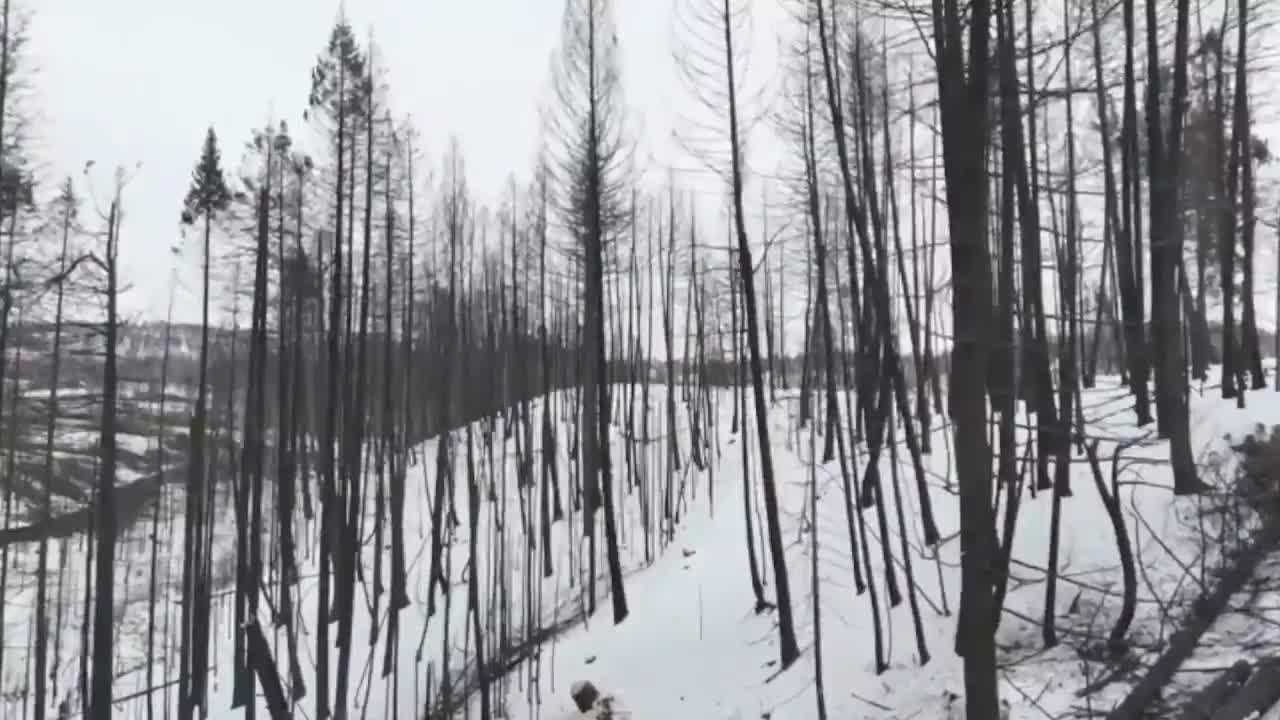
Committee members were shown images and video of the Payette National Forest after the Lava Fire; Mahon said virtually every tree in some drainages was killed and described logs that remain merchantable for only a limited time before insect- and stain‑related losses reduce their value. He said mills such as Bennett Lumber are attempting to process burned material but that market and processing windows close fast: “If we wait 2 years on these logs, there’s literally no value in the logs at all,” Mahon said.
Why it matters: witnesses argued that timely salvage harvests would provide revenue to rebuild local infrastructure — Mahon noted a burned-out bridge whose replacement could be partially funded by value recovered from nearby salvage — preserve local mill jobs and reduce some public safety and environmental risks such as large amounts of deadwood and subsequent erosion.
Details and constraints: Purdy and Mahon said current federal policies and permitting timelines slow salvage operations. Mahon and Purdy described realistic timelines for federal salvage as taking many months to more than a year to process paperwork, during which wood degrades. Purdy told the committee the U.S. Forest Service has closed many roads over decades and that 43% of roads in the Payette National Forest have been closed since 1978, a factor she and other witnesses said complicates both access and rapid response.
Commissioner Purdy also linked salvage and broader active management. She told the committee the state needs more grazing and logging and asked county officials and the Forest Service to increase cooperation: “We need to be able to use our natural resources in order to make a living or our rural communities will continue to die,” Purdy said. She urged the committee to press the Forest Service to work with local partners.
Limitations and tradeoffs: witnesses did not propose a single checklist of regulatory changes adopted on the spot; rather they asked the legislature to press federal partners and to support local capacity. They acknowledged concerns about how to rehabilitate burned landscapes beyond timber removal — for example, replanting and erosion control — and witnesses emphasized salvage alone does not complete ecosystem recovery.
What’s next: speakers urged faster federal permitting, more collaboration with counties, and support for local mills and loggers so salvage operations can be undertaken while burned timber retains market value. No committee action or vote occurred during the session.
Ending: Committee members asked clarifying questions about acre‑to‑mile conversions and specific costs for firefighting on smaller blazes; the session proceeded to other witnesses on fire response partnerships and state shared‑stewardship programs.