Get Full Government Meeting Transcripts, Videos, & Alerts Forever!
Get email alerts on the Budget Process And Oversight topic
No spam. Unsubscribe anytime.
Committee staff preview ‘clear language’ and maintenance‑budget packets; members urged to review intent language ahead of votes
Summary
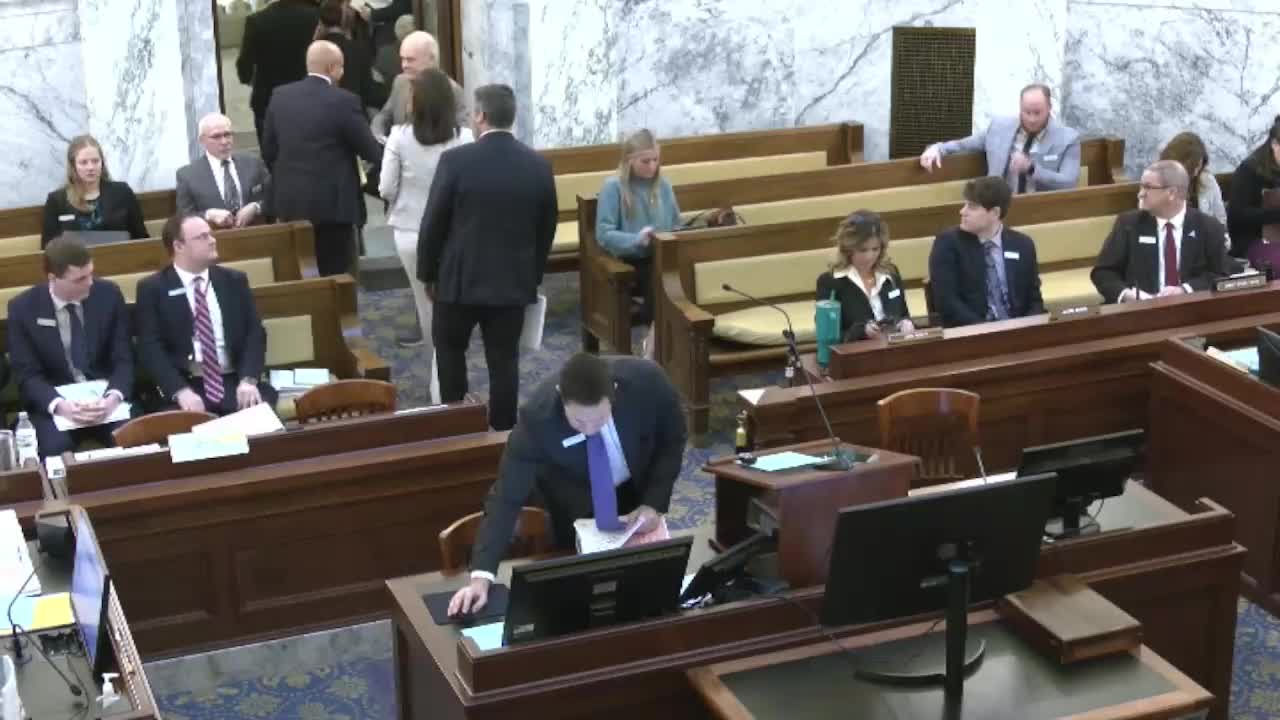
Keith Bybee, Division Manager of Budget Policy Analysis with the Legislative Services Office, presented the committee’s program‑maintenance packets on Jan. 15 and explained the components of maintenance budgets and how members will vote on statewide adjustments.
Keith Bybee, Division Manager of Budget Policy Analysis with the Legislative Services Office, presented the committee’s program‑maintenance packets on Jan. 15 and explained how the committee will handle maintenance budgets in upcoming votes.
Bybee said each committee member received packets organized by functional area and agency that show the 2026 base, recommended statewide adjustments (personnel benefit costs, statewide cost allocation) and change‑in‑employee‑compensation (CEC) figures. He noted the committee will vote on statewide decisions (personnel benefit costs, statewide allocations and CEC) and then set maintenance budgets that reflect those decisions.
A central focus of the presentation was what staff called “clear language” — previously referred to as intent language — which Bybee described as conditions, limitations and restrictions attached to appropriations. He explained three common categories of such language: exemptions from statutory transfer limitations (the presentation cited section numbers used in the budget manual), reappropriation authority (commonly used for multi‑year ARPA and capital projects), and explicit reporting or spending conditions that make legislative direction enforceable rather than advisory.
Bybee and committee co‑chairs emphasized that language appearing in last year’s appropriation acts typically is included in this year’s maintenance packets where it remains standard practice. Members were reminded that the committee has full discretion to modify numbers or language during motions and that any nonstandard or new clear language can be added through the enhancement process if the committee desires further oversight or conditions.
Committee members asked clarifying questions about how long-standing intent language is preserved and whether the committee may remove or change it. Bybee and the co‑chairs replied that prior language is included as standard but that the committee can alter or remove language when it votes on maintenance budgets. Senator Wintrow asked whether existing language can be examined before the votes; staff confirmed the packets contain last year’s language and urged members to review them in advance.
Discussion turned to oversight capacity. The chair noted increased digital access to reports and the creation of a fiscal impact team designed to give the legislature more capacity to monitor performance and program outcomes. Bybee asked members to review the packets and consult analysts for agency‑specific questions; committee votes on maintenance budgets were scheduled for the following days.
No votes were taken during the presentation; staff said members would have opportunities to amend language and numbers when the committee takes up program maintenance motions.