Get Full Government Meeting Transcripts, Videos, & Alerts Forever!
Get email alerts on the State Finance Compensation topic
No spam. Unsubscribe anytime.
Endowment Fund board asks for pay adjustments for two investment staff; governor declines
Summary
The Endowment Fund Investment Board requested compensation increases for two senior investment staff citing market competitiveness; the governor’s budget does not include the requested salary increases, and board leaders told the Joint Finance-Appropriations Committee they remain supportive of the request.
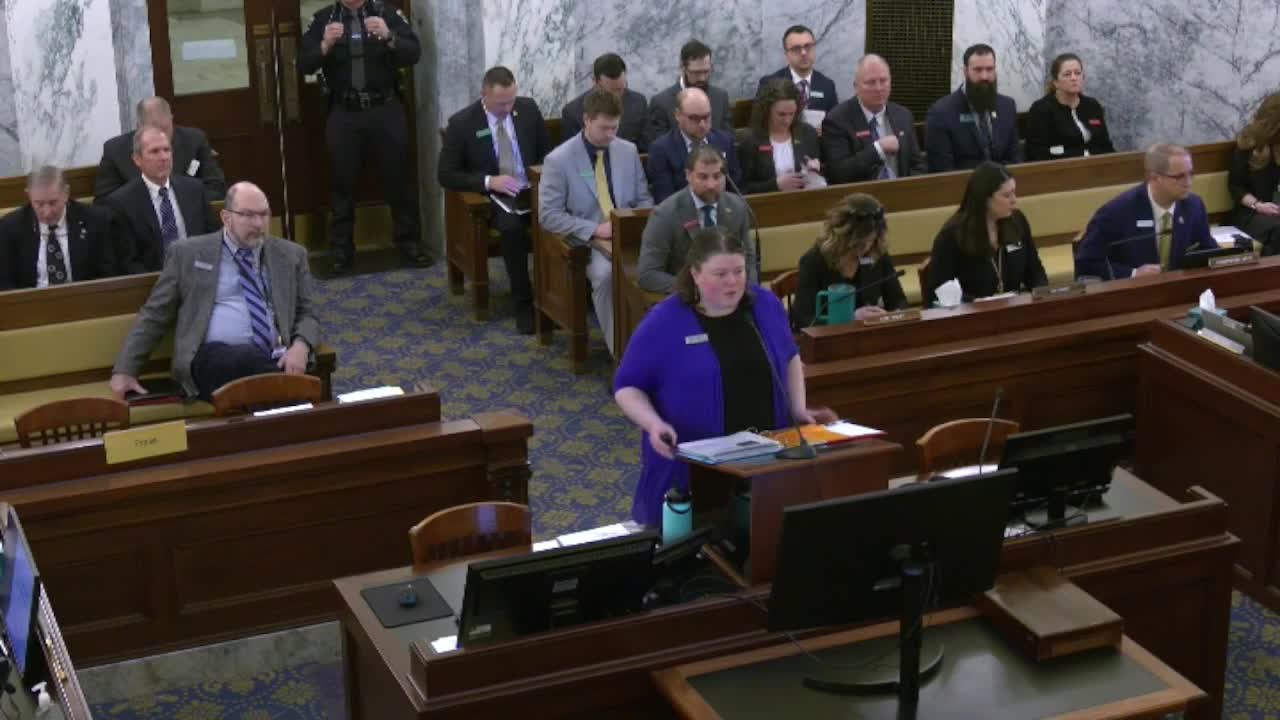
The Endowment Fund Investment Board asked the Joint Finance-Appropriations Committee on Thursday to approve pay increases for two senior investment staff, saying the positions are underpaid relative to market comparators. Janet Jessup, budget and policy analyst with the Legislative Services Office, told the committee the board’s 2026 request included compensation adjustments for two employees.
The request drew questions from legislators and answers from board leaders. “The recommendations were made by our compensation committee and our board,” said Chris Anton, manager of investments for the Endowment Fund Investment Board. He told the committee the board had discussed the recommendations with the governor’s office and the Division of Human Resources but had not reached a final agreement with those offices.
Why it matters: The Endowment Fund Investment Board manages the state's land-grant endowments and other statutorily defined investments that generate recurring income for universities, hospitals and other beneficiaries. Changes in the board’s personnel costs affect how much of the agency’s appropriation is devoted to staffing and can influence the board’s ability to retain experienced investment staff.
Board chair Thomas Wilford described the request as part of a multi-year effort. “There’s a long history on this enhancement,” Wilford said, noting the board previously made a pay-adjustment commitment when Mr. Anton was hired. Wilford said the board believes replacing key staff would be more costly than retaining them.
Chris Anton and others provided specific figures during questioning. Anton said the board’s internal request allocated $54,800 for a long‑time deputy chief investment officer (identified in testimony as Chris Halverson) and $28,400 for Anton himself. Those figures together total $83,200; earlier budget materials presented to the committee referred to a roughly $100,000 total compensation request. The governor’s recommendation does not include the requested compensation increases, the committee was told.
Committee members pressed the board on rationale and retention risk. Co-chair Horman said the committee would benefit from hearing from the board chair because “this is a very substantial increase compared to other state employees” and members wanted more detail on turnover risk and private‑market competition. Wilford reiterated the board’s view that the increases respond to market differences for specialized investment roles.
Other budget facts presented: Jessup said the Endowment Fund Investment Board budget is largely personnel-driven, with roughly 80% of the agency’s appropriation paying salaries. The agency has four full‑time positions (FTP) and historically a near‑100% fill rate. Anton highlighted the investment program’s growth: the portfolio under management has grown from about $500 million in fixed income to roughly $5 billion across the endowment and state insurance fund accounts, increasing the complexity of staff responsibilities.
No formal committee action on the compensation request was recorded in the hearing. Committee members and board representatives said they would continue discussions with the governor’s office and the Division of Human Resources.
Ending note: Board leaders thanked the committee for its time and emphasized the board’s role in producing investment returns for beneficiaries; Anton said the endowment team has generated substantial investment income over time.