Get Full Government Meeting Transcripts, Videos, & Alerts Forever!
Get email alerts on the Education Standards Graduation topic
No spam. Unsubscribe anytime.
Department of Education updates content standards, revises special‑education manual after federal review and proposes graduation changes
Summary
Department staff summarized 2024 updates to Idaho’s content standards, an OSEP‑prompted revision to the special‑education manual, and draft changes to high‑school graduation rules that would add digital literacy, localized pathways and a future readiness project in place of a senior project.
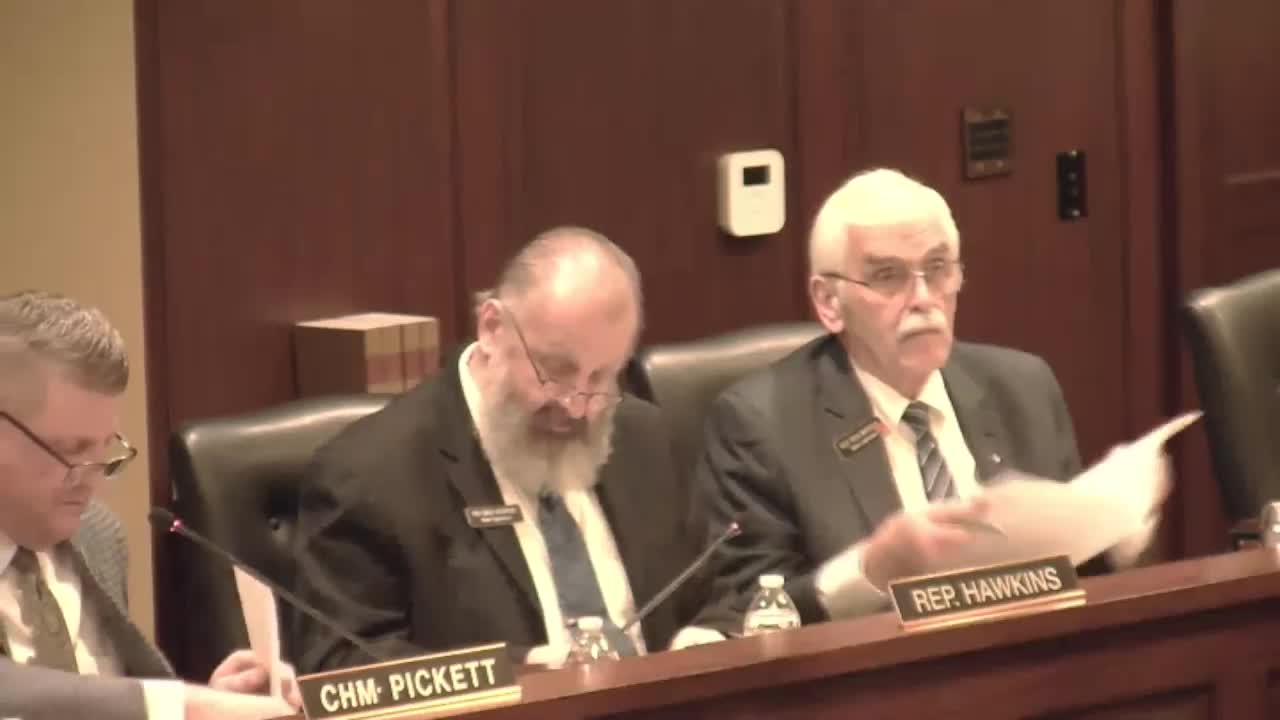
Greg Wilson, Idaho Department of Education policy staff, told the House Education Committee the department updated multiple content standards in 2024 and will supply the committee with links to the incorporated‑by‑reference documents.
Wilson said the 2024 review covered driver education, arts and humanities, world language, social studies, and computer science and information communication technology; the State Board approved the revisions on June 12, 2024. He described the review process as educator‑led teams representing regions across Idaho that prioritized core concepts, simplified language and solicited public comment.
On special education, Wilson said the department revised the Idaho Special Education Manual after receiving a December 2023 letter from the U.S. Office of Special Education Programs identifying portions of the manual that needed revision to comply with the Individuals with Disabilities Education Act. The updated manual was adopted by the State Board on Nov. 21, 2024 and is being incorporated by reference in administrative rules.
Wilson also summarized proposed updates to the statewide high‑school graduation rules. He said the state minimum would remain 46 total credits — "29 core academic credits and 17 elective credits" — but the proposal would give schools more flexibility in how students meet core requirements, add a digital‑literacy component as a core area, create localized pathways to align instruction with regional workforce needs and replace the senior project with a "future readiness project." Wilson said the department convened a work group with parents, superintendents, college‑and‑career counselors and industry representatives and conducted regional outreach throughout 2024.
Why it matters: content standards and graduation requirements determine what is taught, how curriculum is aligned and what state assessments should measure. The special‑education manual change reflects federal compliance work and could prompt districts to revise procedures to stay aligned with IDEA.
Legislators asked for committee materials listing committee membership and links to incorporated standards; staff said they would provide those documents and that they would follow up with more detailed rule line‑by‑line language at a subsequent meeting. No rules were adopted during the informational session.
The department said it will provide a focused presentation on the graduation‑requirements changes at a later meeting and will share alignment analysis for state assessments.