Get Full Government Meeting Transcripts, Videos, & Alerts Forever!
Get email alerts on the Labor Budget Language topic
No spam. Unsubscribe anytime.
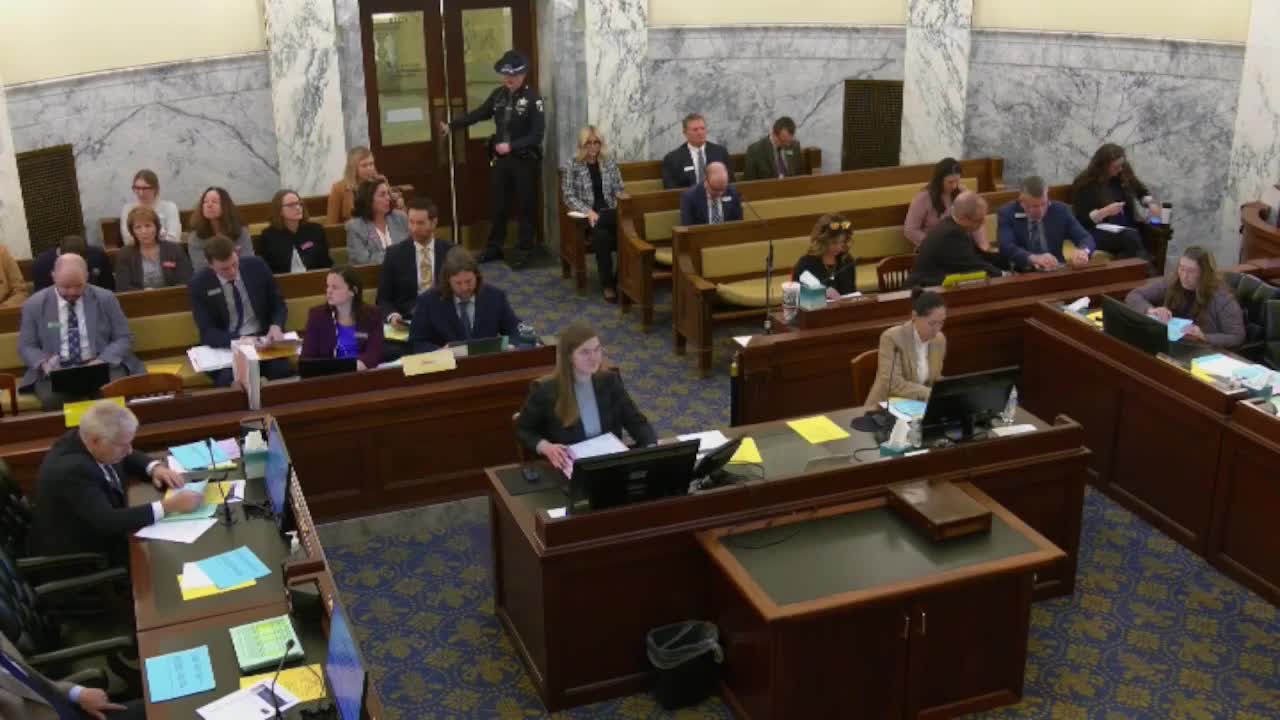
JFAC shifts Department of Labor funding as federal grant falls; immigration and disability-report language fails House
Summary
The Joint Finance-Appropriations Committee voted to adjust the Department of Labor's FY2026 appropriations, approving a net $161,000 increase from the Employment Security Special Administration Fund and shifting some operations away from federal funds as the department expects a reduced federal grant award.
The Joint Finance-Appropriations Committee voted to adjust the Department of Labor's FY2026 appropriations to reflect expected federal grant changes and staffing adjustments, approving a net increase of $161,000 from the Employment Security Special Administration Fund.
Senator Cook moved the budget adjustment, which the committee approved after discussion. The package added $161,000 for IT hardware and increased $5,000,000 from a dedicated fund while reducing $4,839,000 and 15.58 full-time positions in federal grant-funded appropriations to align the department's budget with projected federal awards and staffing needs. Committee staff said the state has seen low unemployment recently, which reduces federal grant awards tied to employment figures; the agency requested the shift so operations can continue from dedicated sources if federal funding declines.
Senator Cook told members the adjustment originated with the Department of Labor director, who proposed a revised plan for committee consideration. Brooke Dupree, budget and policy analyst with the Legislative Services Office, told the committee the federal grant amounts are partly determined by unemployment numbers and that staff would follow up with more precise timing on federal grant adjustments if members requested it.
Separately, the committee considered two pieces of intent language directing the Department of Labor to report to the Joint Finance-Appropriations Committee: one on analysis of the impact of illegal immigration on the state's labor market, and one comparing costs and processes for administering disability determination services at the state level versus the federal level. Supporters said the reports would supply data to inform future policy decisions; opponents warned that the language would direct the executive branch to perform work without additional appropriations and risk mission creep.
The language vote split the committee. On the report language, the Senate portion approved the measure but the House portion did not reach a majority; the recorded Senate and House votes were 8 ayes, 2 nays in the Senate and 4 ayes, 5 nays and 1 absent in the House. Because the House failed to approve the language, the measure did not pass the committee as approved and will be handled further in the House.
Committee debate included cautions about the federal legal framework for disability determinations and suggestions that stakeholders representing people with disabilities should be consulted before pursuing state-level changes. Representative Tanner and Senator Wintrow voiced concerns about federal requirements under the Americans with Disabilities Act and the need to consult disability advocates before directing work on such changes.
The budget adjustment motion for the Department of Labor received a due-pass recommendation from the committee.