Get Full Government Meeting Transcripts, Videos, & Alerts Forever!
Get email alerts on the Parks And Recreation topic
No spam. Unsubscribe anytime.
Idaho parks seek program consolidation, higher seasonal pay and marina repairs at Heyburn State Park
Summary
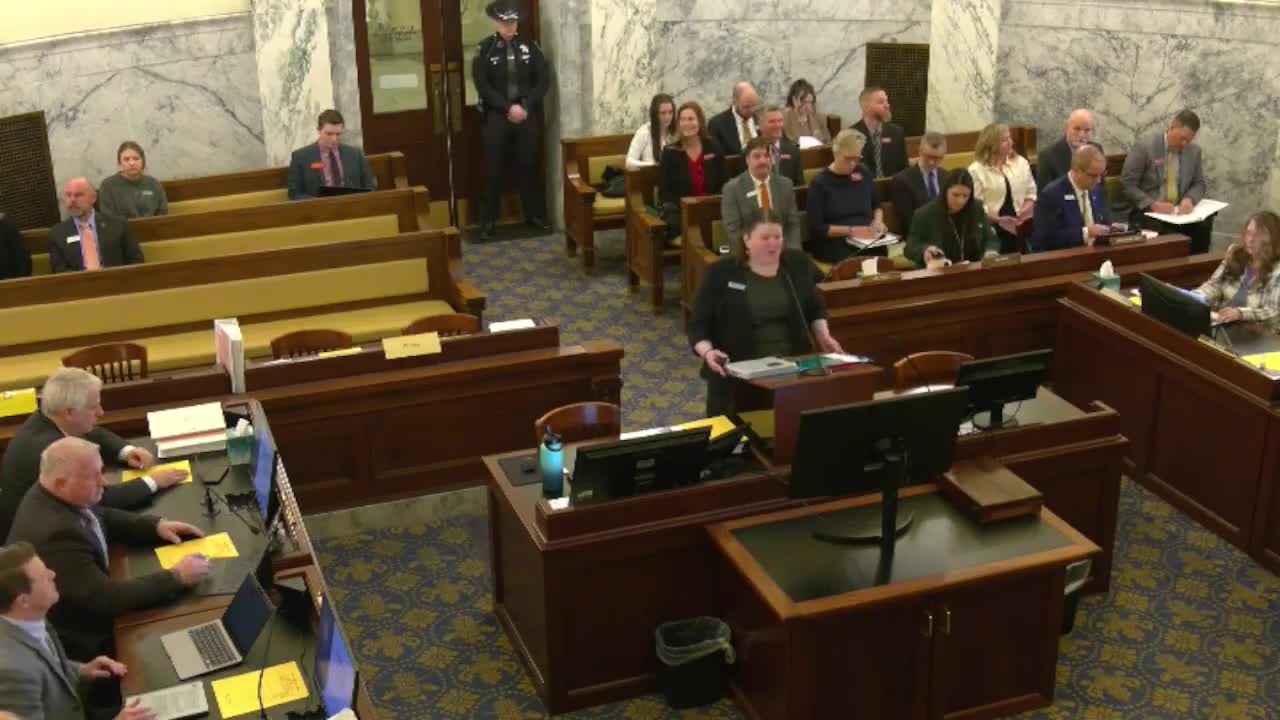
The Idaho Department of Parks and Recreation asked the Joint Finance-Appropriations Committee on Oct. 23 to approve a set of budget changes that would consolidate programs, increase seasonal wages and continue several capital projects, including replacement of aging marina infrastructure at Heyburn State Park.
The Idaho Department of Parks and Recreation asked the Joint Finance-Appropriations Committee on Oct. 23 to approve a set of budget changes that would consolidate programs, increase seasonal wages and continue several capital projects, including replacement of aging marina infrastructure at Heyburn State Park.
The department told lawmakers it would merge its management services and park operations programs into a single program to simplify administration and accounting while preserving existing authority and fund tracking. "It really is a ministerial request," Director Susan Buxton said, adding the consolidation would not remove information about specific revenues or expenditures.
Budget analyst Janet Jessup said the agency operates 30 state parks, is authorized 190.8 full-time positions for FY2024–2025 and funds operations mostly with dedicated and federal sources rather than general fund dollars. She noted that capital outlay appropriations are treated as one-time project funding and that large appropriations made for deferred maintenance in prior years took multiple fiscal years to be expended.
Why it matters: the requests touch operations that residents use year-round (campgrounds, trails, marinas) and several items depend on dedicated fees or federal grants. Committee members pressed the agency on how previously appropriated maintenance dollars were being spent and on local impacts of pay and equipment decisions.
Key requests and details
- Program consolidation: Buxton said merging management services and park operations would make it easier to manage personnel and revenues; the consolidation "nets to 0" financially, according to Jessup, and would leave the department with two budgeted programs instead of three.
- Seasonal wages: The department is seeking to raise seasonal pay and has proposed moving from a $12-per-hour floor toward $15 per hour in the current request. Director Buxton described ongoing efforts begun in 2020 to address pay compression and make seasonal and permanent pay more competitive: "most almost 95% of our staff are STEM educated," she said, arguing seasonal and ranger pay needs to reflect market conditions. Buxton and Human Resources Officer Jennifer Quindell Miller told the committee the department hires about 300 seasonal employees each year and engages more than 500 volunteers; they warned some locations already require pay rates above $15 hourly and managers can and do pay more when local labor markets demand it.
- Targeted ranger pay: The department requested funds to implement a tiered ranger compensation program and to address compression among ranger and management ranks; Buxton said several bureau‑chief level managers at Parks are among the lowest paid bureau chiefs across state agencies.
- Capital and deferred maintenance: Jessup highlighted two sizable capital outlay requests the department submitted: improvements at Bear Lake Fish Haven and at Lake Cascade. She also said the governor recommended the agency's full capital request. Buxton described a multi-year effort to replace two large marinas at Heyburn State Park on Lake Coeur d'Alene, noting the Coeur d'Alene Tribe previously paid for a design assessment and offered financial support. The department expects the replacement slips will be modernized and will increase capacity.
- Equipment purchases and dedicated funds: Representative Tanner and others asked about a compact wheel loader budgeted for snow removal and parking-lot clearing in heavy-snow areas. Operations Administrator Troy Elmore said the purchase is funded through the snowmobile sticker fund and is intended to support county grooming programs and clearing of snowmobile parking areas; the department owns groomers and counties operate programs in about 27 counties.
Committee concerns and follow-up requests
Lawmakers pressed for more detail on where deferred maintenance appropriations have been spent and asked for a written summary of in-progress projects. Co‑Chair Harmon and others requested a project-level accounting, including status on Massacre Rocks and other sites. Buxton and Jessup said the committee packet includes a document listing ARPA and surplus funds and that more detailed backup would be provided to committee members on request.
Budget context and constraints
Jessup emphasized that many of the department's funds are dedicated by statute to specific purposes (for example, registration or permit fees) and cannot be freely reallocated, which helps explain year-to-year variances in appropriation versus expenditure. The department also reported a mixture of ongoing adjustments for personnel and many one-time enhancement requests tied to capital or replacement projects.
The department concluded by thanking the committee for prior appropriations that funded deferred maintenance and marshalling staff for upcoming seasons. Director Buxton said the department appreciates legislative support for preserving state parks "for future generations and for ourselves."