Get Full Government Meeting Transcripts, Videos, & Alerts Forever!
Get email alerts on the Foster Care Extension topic
No spam. Unsubscribe anytime.
Senate committee advances bill to extend foster care eligibility from 21 to 23 after testimony from alumni and advocates
Summary
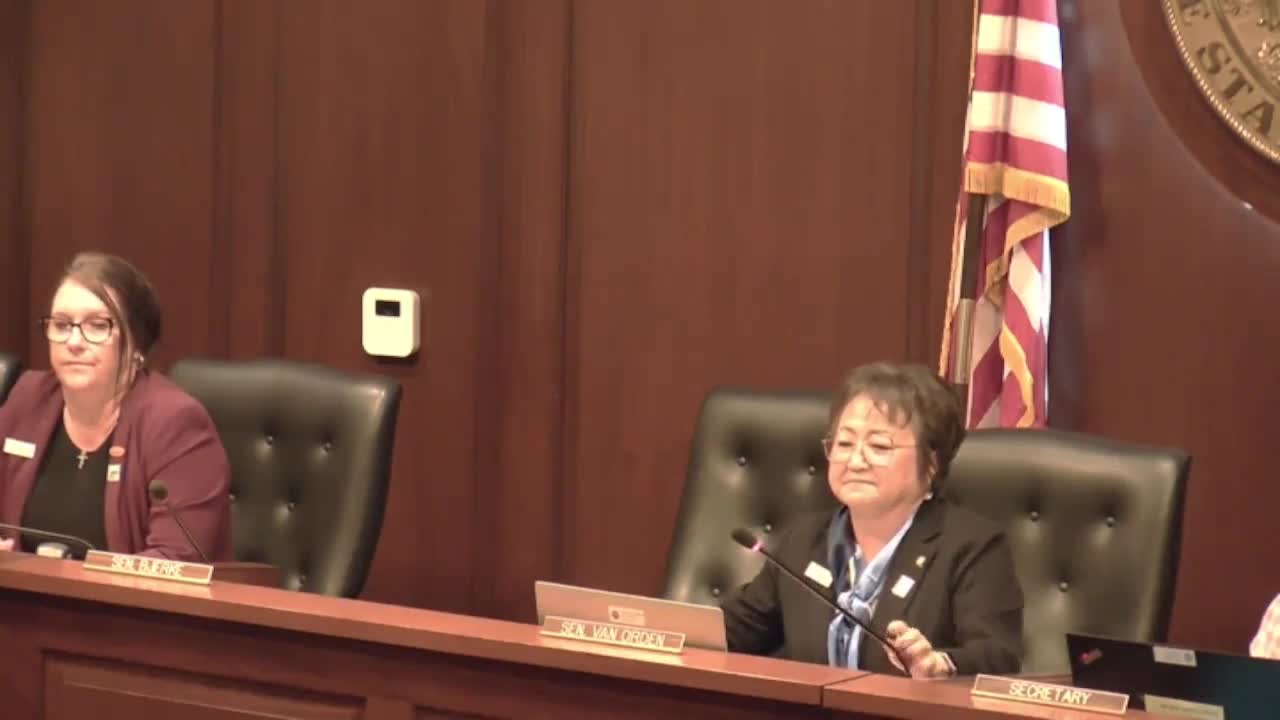
The Senate Health and Welfare Committee voted to send House Bill 245 to the Senate floor with a due‑pass recommendation after testimony from former foster youth, providers and advocates supporting an extension of voluntary foster care eligibility from 21 to 23.
The Senate Health and Welfare Committee voted to send House Bill 245 to the floor with a due‑pass recommendation after more than an hour of testimony from former foster youth, foster parents and child‑welfare advocates.
Senator Carl Bjerke, sponsor and presenting senator for legislative district 5, said the bill would extend voluntary foster care from age 21 to 23 and streamline relative foster‑care licensing. “This bill basically takes in our foster care program, we currently have an age out date of 21 years of age, and that is going to be extended to 23 with this,” Bjerke said, arguing the change advances a “return on investment” by reducing later costs associated with homelessness and incarceration.
Monty Prow, deputy director for child welfare at the Department of Health and Welfare, described how extended foster care offers a longer “runway” for young people to learn adult skills and avoid costly outcomes. Prow said each young person who opts into extended care must have an independent living or transition plan and a case manager who checks in regularly. “If you say yes to extended foster care, you’re saying no to social situations that cost us a lot of money,” Prow said, listing homelessness, unemployment and addiction as avoidable outcomes.
Prow and department staff described typical supports: monthly case‑management checkins; help with employment, education and Medicaid; and financial assistance. The department said young people living independently may receive about $876 a month; payment to a foster parent continues when a youth remains in a licensed foster home.
Ivy Smith, a former foster youth and program author who testified for Idaho Voices for Children, gave a personal account of barriers she faced when aging out at 18 and said research supports the change. “Please help Idaho’s foster youth have a fighting chance,” Smith said. She cited national findings from Chapin Hall showing extended care reduces homelessness, pregnancy and arrest and increases the likelihood of college persistence.
Other speakers included Sarah Betweiser of Family Advocates, Shane Hansen of the Freedom Youth Foundation, Marissa Franklin and Norm Baron, who spoke in support based on personal and caregiver experience. Testimony emphasized trauma, instability and the practical challenges of securing housing, insurance and employment without family supports.
Senators voiced mixed views in debate. Senator Shippy said he planned to vote no, arguing government should not become a “permanent crutch,” though he acknowledged the speakers’ testimony. Several other members said the testimony persuaded them to support the bill. Senator Harris moved to send the bill to the floor with a due‑pass recommendation; Senator Wintrow seconded and the committee approved the motion by voice vote.
House Bill 245 would also allow the department to expedite placement with a relative and grant limited variances or separate licensure standards for relatives under Idaho Code, chapter 16. The legislation, as presented, is voluntary for youth and does not require a youth to remain in care.
The bill will now proceed to the Senate floor for further debate and a possible final vote.