Get Full Government Meeting Transcripts, Videos, & Alerts Forever!
Get email alerts on the State Finance Endowment topic
No spam. Unsubscribe anytime.
Endowment Fund Investment Board asks for pay increases for two investment staff; governor did not recommend raises
Summary
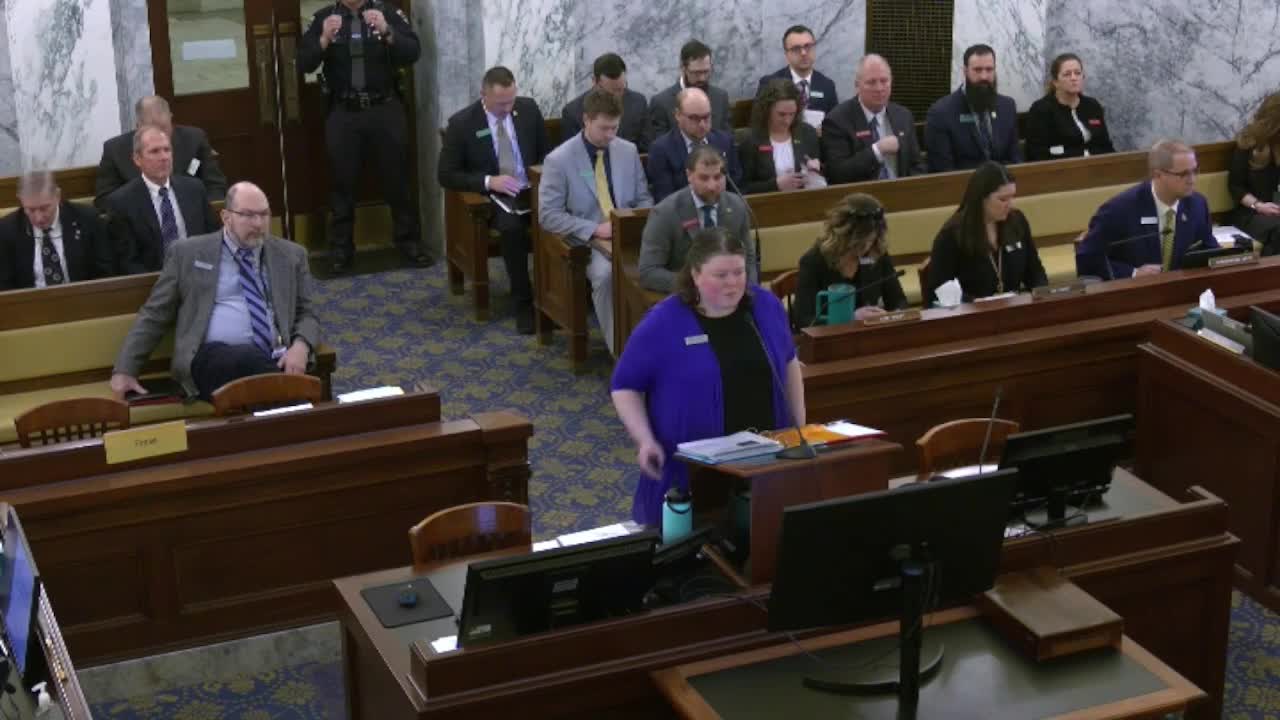
At a Joint Finance Committee hearing the Endowment Fund Investment Board presented a FY2026 budget that included requests to raise pay for two long‑time investment staff. The board and its compensation committee recommended increases intended to retain experienced staff; the governor’s recommendation did not include the requested compensation.
Janet Jessup, a budget and policy analyst with the Legislative Services Office, told the Joint Finance Committee that the Endowment Fund Investment Board manages investments for state endowments, the state insurance fund and other statutorily required accounts and presented the board’s FY2026 budget request.
The board requested compensation increases for two senior investment staff to bring pay closer to market, arguing the roles have grown in complexity as the funds under management expanded. Thomas (Tom) Wilford, chairman of the Endowment Fund Investment Board, and Chris Anton, manager of investments for the Endowment Fund Investment Board, told the committee the increases are meant to retain experienced staff and reflect job complexity.
The Endowment Fund Investment Board asked for roughly $100,000 in additional ongoing compensation for two staff members as part of its FY2026 request; the governor’s recommendation did not include those compensation increases, though it supported general inflation adjustments and a one‑time hardware expenditure.
Why it matters: the Endowment Fund Investment Board oversees income streams that support beneficiaries across state agencies and institutions. Losing senior investment staff or being unable to align pay with specialist market rates, the board argued, could affect the office that manages billions in assets.
Janet Jessup opened the committee presentation by describing the board’s responsibilities and funding sources, noting that endowment dollars are appropriated in the beneficiary agencies rather than the board’s own budget. Chris Anton and fiscal officer Cathy Van Vactor sat with the board chair to answer questions.
Tom Wilford described the request as the result of a long‑running effort to address below‑market pay. “If we had to replace him someday, that we would have to pay more than we're paying him,” Wilford said, describing the board’s judgment about retention risk for senior staff.
Anton said the two positions have seen little pay‑grade movement while the portfolio and complexity of work have increased. He told the committee the board manages roughly $5,000,000,000 across the endowment and the state insurance fund and noted longer tenures and rising responsibilities for senior staff.
Anton gave the committee specific amounts included in the request: the largest requested increase was for the deputy investment role (Chris Halverson), which Anton said was about $54,800, and the requested increase for Anton’s position was about $28,400. The board’s total compensation request for the two staff members aggregates to roughly the six‑figure range cited by board members during the hearing.
A representative of the governor’s office and human resources analysis told the committee the governor did not recommend the compensation increases. The state HR representative said DHR’s analysis showed Mr. Halverson was “close to policy rate for his pay grade,” noting that state policy rates are not always competitive with private‑sector market levels. The representative said the administration considered the request but recommended compensation that aligns with state pay policy rather than matching private‑market comparators.
Committee members asked whether the board had unanimously supported the recommendation. Anton said the recommendation came from the board’s compensation committee and the board supported it, but the board had not reached a final agreement with the governor’s office and DHR as of the budget submission.
Anton closed his remarks by noting the board’s investment performance over time and the income generated for beneficiaries. “Since 2010, we've generated 2,500,000,000 in investment income,” he said, adding that his office and partners at the Department of Lands have delivered significant returns for beneficiaries.
The committee did not vote on the request at the hearing; members asked for further detail and discussion with the board chair and DHR representatives before making a final appropriation decision.