Get Full Government Meeting Transcripts, Videos, & Alerts Forever!
Get email alerts on the Occupational Licensing Construction topic
No spam. Unsubscribe anytime.
Bill introduced to loosen day‑to‑day supervision requirements for electrical contractors
Summary
Representative Kyle Harris introduced RS 32‑337 to change state statute on electrical contractor supervision and to ease apprentice supervision ratios on residential jobs; the committee voted to introduce the RS.
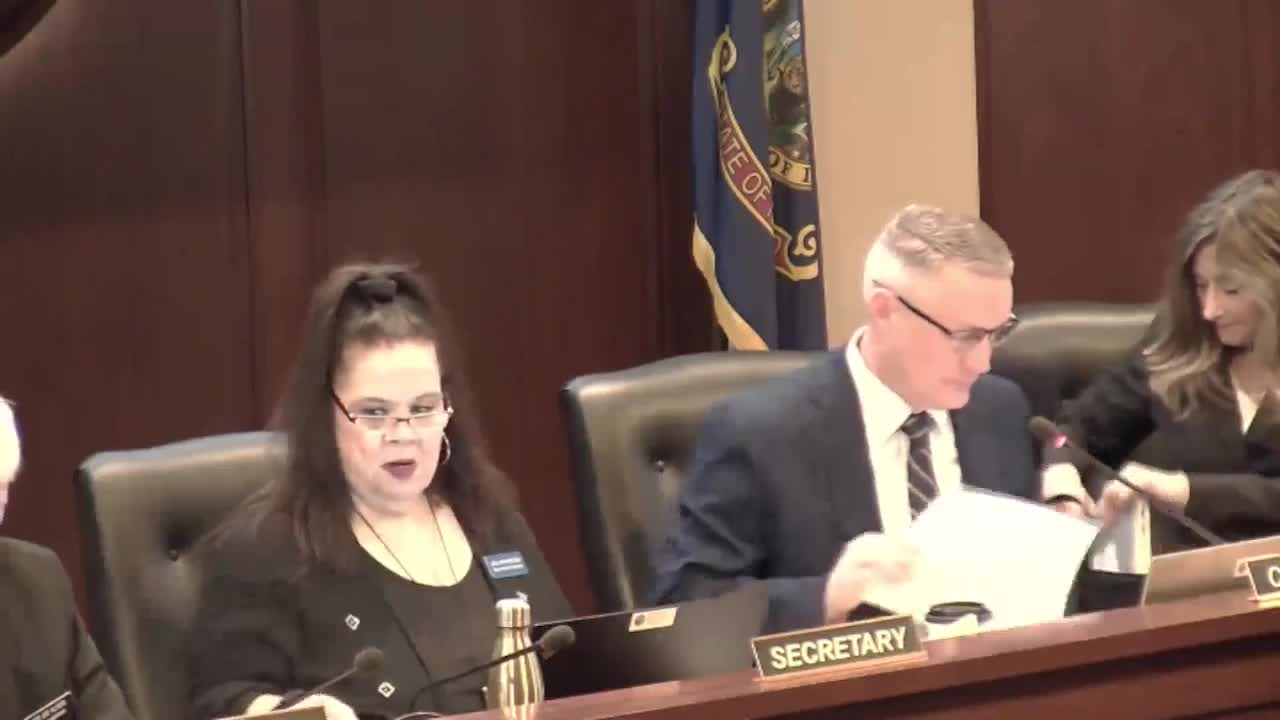
Representative Kyle Harris, R‑District 7, told the House State Affairs Committee RS 32‑337 would align state statute with pending administrative rules about supervision of electrical contractors.
"What this does is it seeks to change the state statute regarding supervision for electrical contractors to bring it in line with what the promulgated rules are asking," Harris said. He described the change as focusing on supervision rather than removing responsibilities: "We're not really taking away any of the responsibilities or the workmanship that happens on those sites."
Harris said the change would ease direct‑supervision requirements during business hours and help on residential jobs by allowing more flexible supervision of apprentices. He gave a practical example: where a crew might have "1 journeyman and 6 apprentices," a journeyman could move between jobs during the day so two job sites can run concurrently, which he said would "help houses get built faster." Harris emphasized oversight would remain on job sites.
Representative Pahanka moved to introduce RS 32‑337; the committee approved the motion by voice vote with no recorded opposition.
What happens next: The RS was introduced and will be scheduled for a formal hearing where stakeholders, including contractors, apprenticeship programs and regulators, can testify and offer technical amendments.
Why it matters: Changes to statutory supervision can affect workforce training, jobsite safety oversight and residential construction scheduling. The sponsor said the proposal is intended to improve flexibility while maintaining workmanship and oversight.