Get Full Government Meeting Transcripts, Videos, & Alerts Forever!
Get email alerts on the Able Accounts topic
No spam. Unsubscribe anytime.
Senate committee advances bill letting Idaho join multistate ABLE account consortium
Summary
The Senate Health and Welfare Committee voted to send House Bill 26 to the floor after testimony that the measure would let the state treasurer join a multistate consortium to offer ABLE accounts, reducing fees for account holders and enabling Idaho-focused outreach.
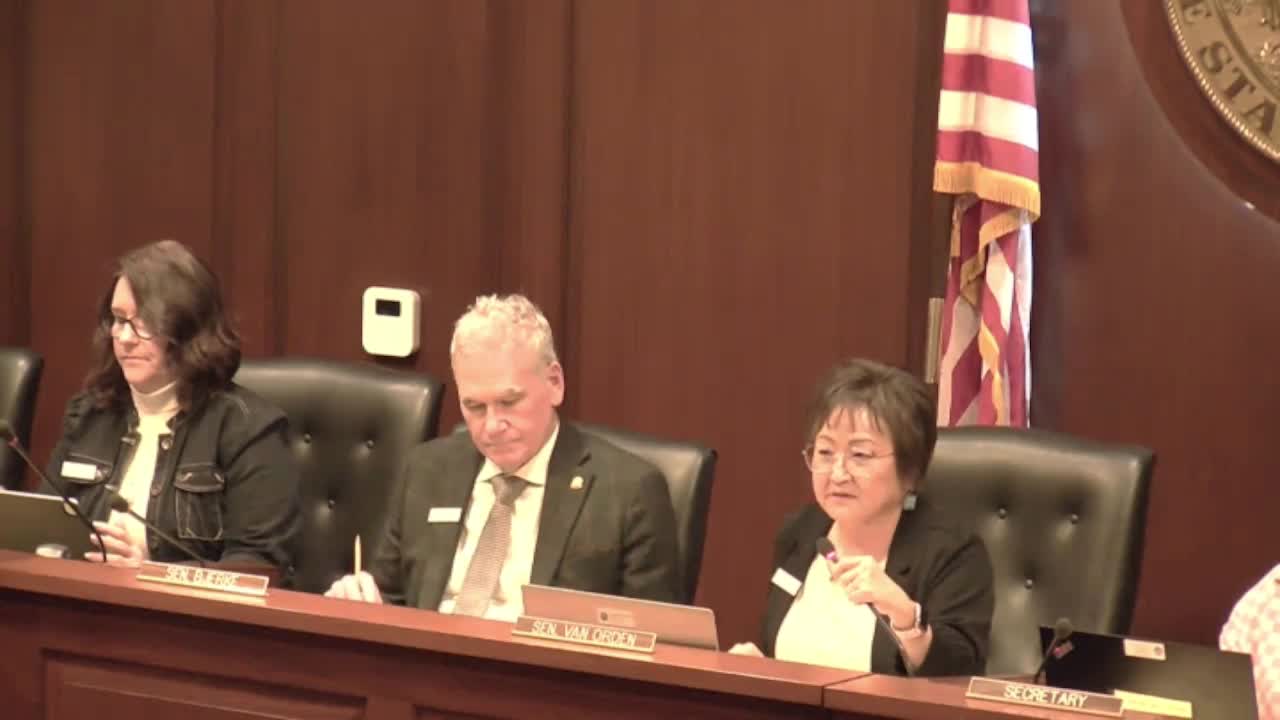
The Idaho Senate Health and Welfare Committee voted to send House Bill 26 to the Senate floor with a "do pass" recommendation after hearing testimony that the bill would let the state treasurer join a multistate consortium to provide ABLE savings accounts to Idahoans with disabilities.
State Treasurer Julie Ellsworth told the committee the bill would allow the treasurer's office to join an existing consortium that spreads administrative and investment-management costs across many states. "By joining a consortium ... it will take it down to 19 to 33% basis points, a huge savings to them," Ellsworth said, adding the state would gain revenue that could be used for outreach to Idaho account holders.
ABLE (Achieving a Better Life Experience) accounts let people with disabilities save for qualified disability expenses without jeopardizing eligibility for means-tested benefits. Supporters told senators the absence of an in-state program forces Idahoans to use out-of-state plans that charge higher fees and limit Idaho's ability to conduct local outreach.
Lisa Anderson, advocacy director for AARP Idaho, urged a yes vote, saying ABLE accounts "permit Idahoans with disabilities to save and manage their money without worrying about losing the critical benefits they need." Rochelle Tierney of the Idaho Council on Developmental Disabilities said an Idaho program would "help keep fees down for account holders" and provide "greater oversight and protection for Idaho account holders." Tara Rowe, an ABLE account holder from Twin Falls, described administrative friction with an out-of-state plan and said, "Having an ABLE account is critical to my living independently. It has come in handy for a lot of things."
Treasurer Ellsworth told the committee the legislation includes a voluntary advisory council whose members would "serve without honorarium compensation or expense reimbursement of any kind." She also said the change would not have a fiscal impact to the general fund as written.
Several witnesses described specific financial details and practical effects. Ellsworth said current fees for some out-of-state options run roughly "45 to 59" basis points and that the consortium model could reduce those fees to about "19 to 33" basis points. Committee members asked about Medicaid rules: witness Tara Rowe and others explained that Medicaid and other means-tested programs use an asset limit that can affect eligibility. Rowe described the $2,000 asset cap used in means testing: if an applicant's countable assets exceed that limit, benefits can be affected.
Senator Wintrow flagged the bill's Medicaid "clawback" provision as a concern. "The only thing that gave me pause in the bill is that we have that clawback in the Medicaid," she said during debate.
After questions and testimony from account holders, advocates and disability-policy organizations, Senator Shippey moved that the committee send House Bill 26 to the Senate floor with a do-pass recommendation; Senator Wintrow seconded. The committee approved the motion by voice vote and the bill was reported to the floor.
Votes at a glance: House Bill 26 — motion to send to the Senate floor with a do-pass recommendation; mover: Senator Shippey; second: Senator Wintrow; outcome: approved by committee voice vote (no roll call recorded).