Get Full Government Meeting Transcripts, Videos, & Alerts Forever!
Get email alerts on the Election Integrity topic
No spam. Unsubscribe anytime.
Committee approves bill giving attorney general discretionary authority to investigate and prosecute election crimes
Summary
House Bill 365 gives the state Attorney General discretionary authority to investigate and prosecute criminal and civil violations of Chapter 23, Title 18 and Title 34 of the Idaho Code; the Attorney General's office briefed the committee about deconfliction and coordination with county prosecutors and the Secretary of State.
Representative Joe Alfieri introduced House Bill 365, a one‑sentence measure that would allow the Idaho Attorney General to investigate and prosecute criminal and civil violations of Chapter 23, Title 18 (election crimes) and Title 34 (election administration) of the Idaho Code. The bill uses permissive language — "may" — and does not mandate AG action.
Alfieri said the authority is intended to be complementary to county prosecutors and the Secretary of State’s office, providing the Attorney General the option to bring state‑level resources to significant election‑crime investigations. "Notice the word May. This is not a mandate," Alfieri said.
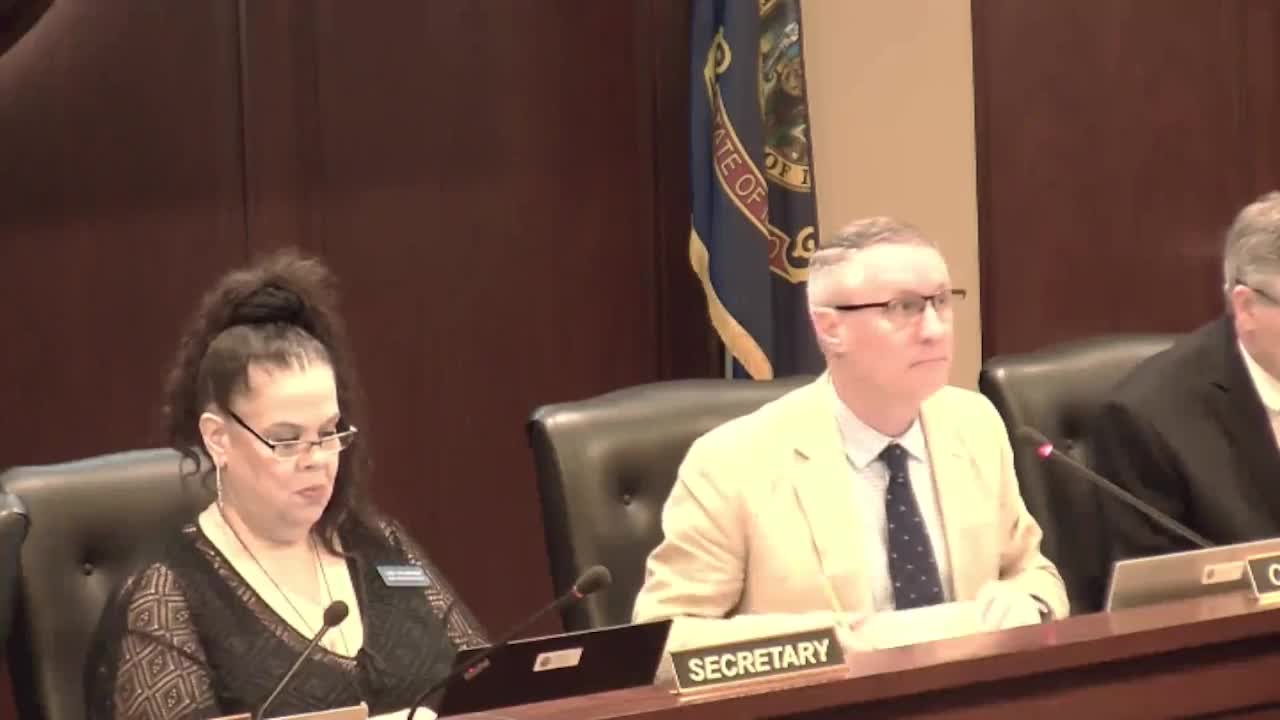
Chief of the Criminal Law Division Jeff Knight (from the Attorney General’s office) answered committee questions about how investigations would be coordinated. Knight explained that overlapping jurisdiction is common in multi‑agency investigations and that the AG’s office uses standard deconfliction procedures to make sure one agency does not interfere with another and to avoid duplicative work. He said the office lacks general criminal jurisdiction except where the legislature grants it and that this bill would provide that jurisdiction for election‑related statutes.
Committee members debated whether the bill would duplicate county authority or step on local prosecutors’ toes. Representative Mickelson said he was concerned about creating parallel investigations if local prosecutors concluded no criminal activity occurred; Knight said deconfliction processes and resource prioritization would guide AG involvement. Representative Hostetler moved to send the bill to the floor with a due pass recommendation; the committee approved the motion on a voice vote.
The measure does not create a new agency or change existing county prosecutor authority; it provides the Attorney General the statutory option to take on election cases where the office determines it is in the public interest and has resources to do so.