Get Full Government Meeting Transcripts, Videos, & Alerts Forever!
Get email alerts on the Higher Education Community Colleges topic
No spam. Unsubscribe anytime.
College of Southern Idaho asks JFAC for $475,700 enrollment adjustment as enrollment surges
Summary
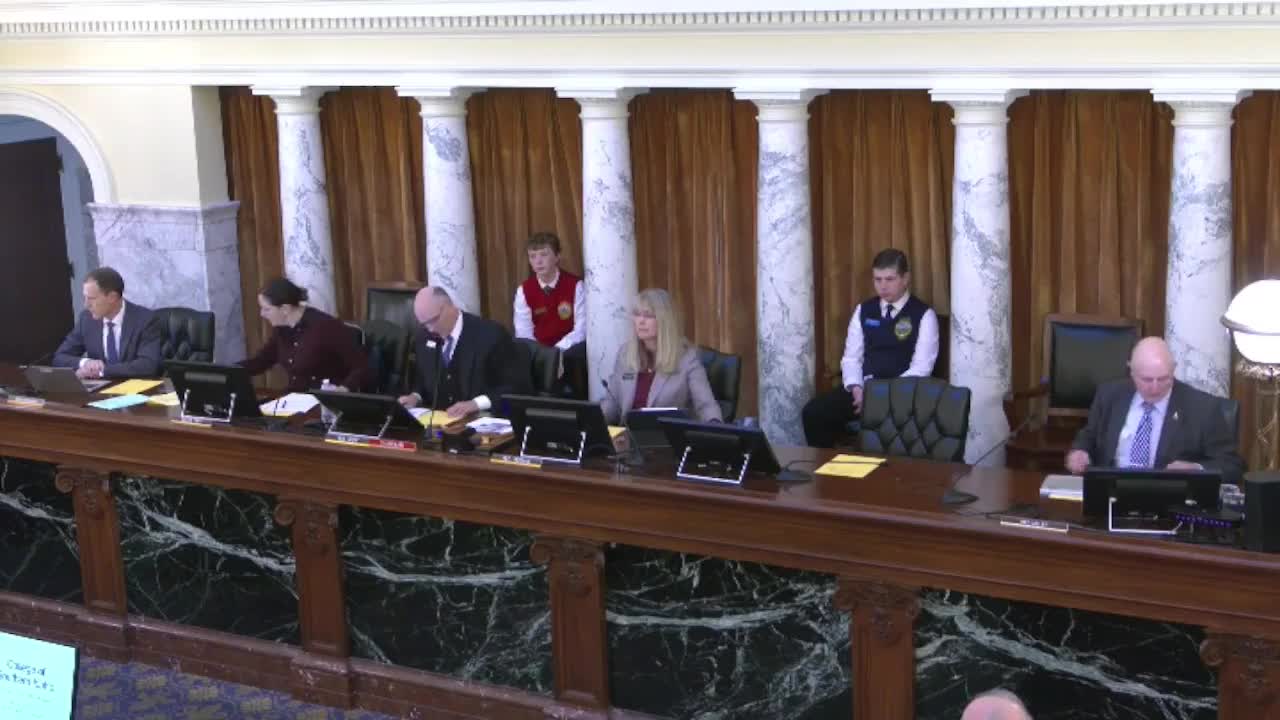
Kevin Campbell, a budget and policy analyst with the Legislative Services Office, presented the College of Southern Idaho’s FY2026 request to the Joint Finance-Appropriations Committee, including an enrollment workload adjustment of $475,700 aimed at hiring five instructors as the college reported a 20% increase in fall 2024 enrollment.
Kevin Campbell, a budget and policy analyst with the Legislative Services Office, presented the College of Southern Idaho (CSI) base budget and told the Joint Finance-Appropriations Committee the college’s FY2026 request includes an enrollment workload adjustment of $475,700.
CSI President L. Dean Fisher told the committee the college experienced a 20% increase in fall 2024 enrollment (not including dual-credit students) and has added about 3,800 students since fall 2021. Fisher said the college needs additional capacity—faculty, staff and learning spaces—to sustain that growth and to address waiting lists in career and technical programs.
Why it matters: The request and testimony tie directly to workforce and CTE capacity across Idaho. Committee members pressed college leaders on where new instructors would be placed, program wait lists, and how state capacity-building money proposed by the governor would be used. If funded, the requested adjustment would pay for more instructors to reduce class sizes and shorten waiting lists for credential and workforce programs.
Campbell told the committee that appropriations to Idaho community colleges are made as a single trustee appropriation rather than by object category. He also reviewed five-year budget trends for CSI, saying the college typically spends nearly 100% of its state appropriation and that CSI’s base budget has averaged 6.4% year-over-year growth over five years. Campbell noted the enrollment workload adjustment (EWA) is governed by a State Board of Education formula and has been moved into the enhancement line in recent budgets.
Fisher described specific capacity issues the committee asked about. He said the radiologic technology program admits 15 students per cohort but then maintains a waiting list of 84. Nursing programs and clinical placements also face constraints: Fisher said the college lacks faculty and clinical site capacity to expand certain health programs. In response to a member’s question about where five new instructors would be placed, Fisher said the college planned primarily to hire general-education instructors (English and other support courses) if CTE expansions proposed in the governor’s budget are funded; he estimated each new instructor could serve roughly 150 students a year, or about 750 additional students total if five positions are funded.
On workforce and student-support programs, Fisher highlighted CSI’s Bridge to Success program, which the college scaled from serving about 40 students to roughly 500 with additional state support. He said CSI’s fall-to-spring retention rate is about 85%, above a cited national average of 60%, and that the college has reduced textbook costs by about 50% through open educational resources.
Fisher also pressed the committee on faculty and staff compensation. He said CSI faculty and staff lag regional community-college pay by about 12% and estimated roughly $400,000 in ongoing funding would materially close certain pay gaps with regional peers. He urged continued support for the governor’s proposed capacity-building funding and for one-time infrastructure money (a $15 million figure he endorsed for learning spaces and specialized facilities).
Committee members asked whether students benefitting from Idaho Launch are Idaho residents; Fisher said about 95% of CSI students are Idaho residents and characterized most Launch participants as Idaho students. Fisher recommended continued legislative support to sustain enrollment-driven growth and to address capacity in CTE and health programs.
No formal committee action or vote on CSI funding took place at the hearing; members and college leaders discussed requests and pressing capacity needs.
Sources and evidence from the hearing: Kevin Campbell presented CSI’s FY2026 request and described the EWA treatment in the budget book. President L. Dean Fisher and committee members discussed enrollment numbers, program wait lists and compensation. The college requested a $475,700 enrollment workload adjustment for FY2026 and said it would use that amount to hire five instructors to reduce class sizes and wait lists.