Get Full Government Meeting Transcripts, Videos, & Alerts Forever!
Get email alerts on the Administrative Law topic
No spam. Unsubscribe anytime.
Committee advances House Bill 223 on rule rejection process after debate over committee and House powers
Summary
Representative Vito Barbieri, R-District 3 (Kootenai County), presented House Bill 223 to clarify how the legislature may reject administrative rules and when one chamber or both must act.
Representative Vito Barbieri, R-District 3 (Kootenai County), presented House Bill 223 to the House State Affairs Committee seeking to clarify the process for rejecting administrative rules.
Barbieri said the draft responds to what he described as confusing language about whether one chamber can reject a rule or whether both chambers must act when a committee calls up a final rule. “The way this is written it's confusing saying it appears as though we're requiring a concurrent resolution for rejecting a rule,” Barbieri said, and he explained the committee's intent to preserve the ability of a single House to reject certain rules while creating a process when a committee calls up an effective (final) rule that would require coordination between both chambers.
Committee discussion and background Members discussed three categories of rules: temporary rules, rules proposed for adoption (promulgated/proposed), and final rules already in effect. Barbieri described a past incident where a final rule had been approved by the other chamber and then left the House without an opportunity for review, creating a policy disagreement the bill seeks to address. Representative Daiger asked whether committee action then goes to the full House and whether the Senate would need to concur for final-rule rejection; Barbieri explained that the bill aims to allow incremental fixes while preserving coordination for final rules via concurrent resolution.
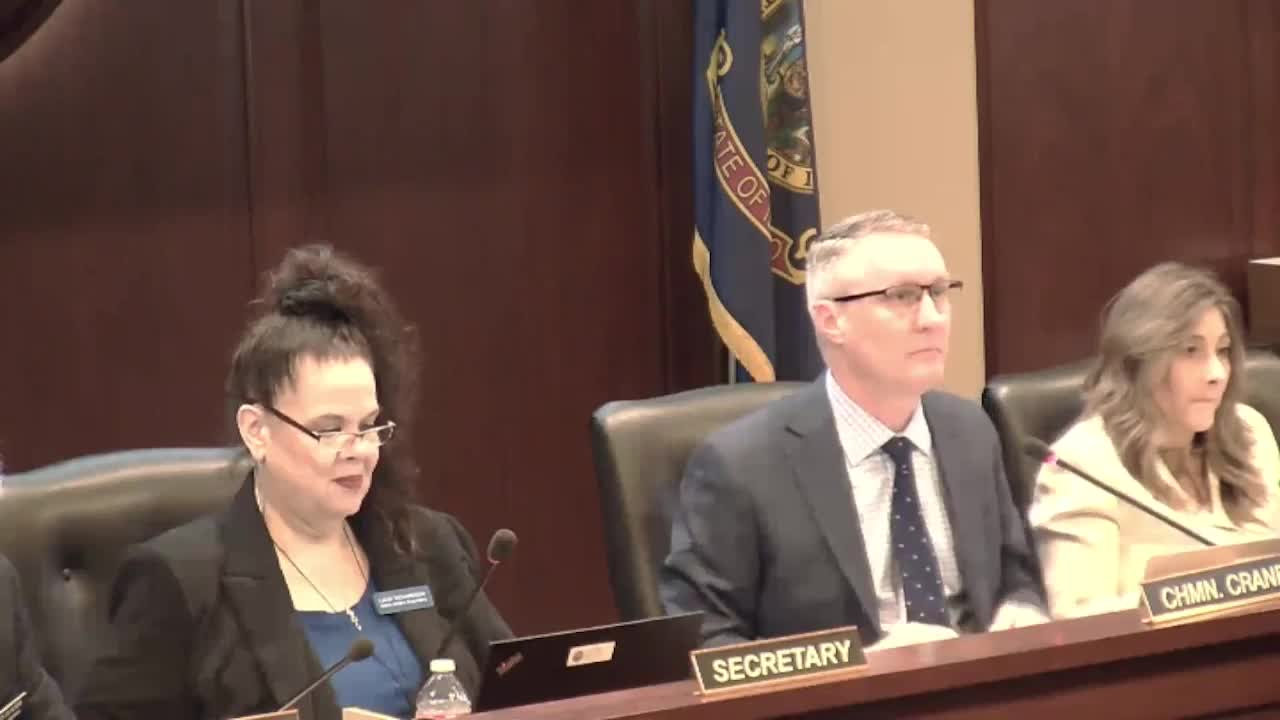
Committee action Representative Scott moved to send House Bill 223 to the floor with a “do pass” recommendation. With no public testimony and no further discussion, the committee voted and the motion carried; House Bill 223 will go to the floor with the committee recommendation.
Why it matters: The bill would alter or clarify legislative oversight of administrative rulemaking and affects how temporary, proposed and final rules can be challenged and removed by the legislature.