Get Full Government Meeting Transcripts, Videos, & Alerts Forever!
Department seeks to restore public health programs, requests data and workforce funding
Summary
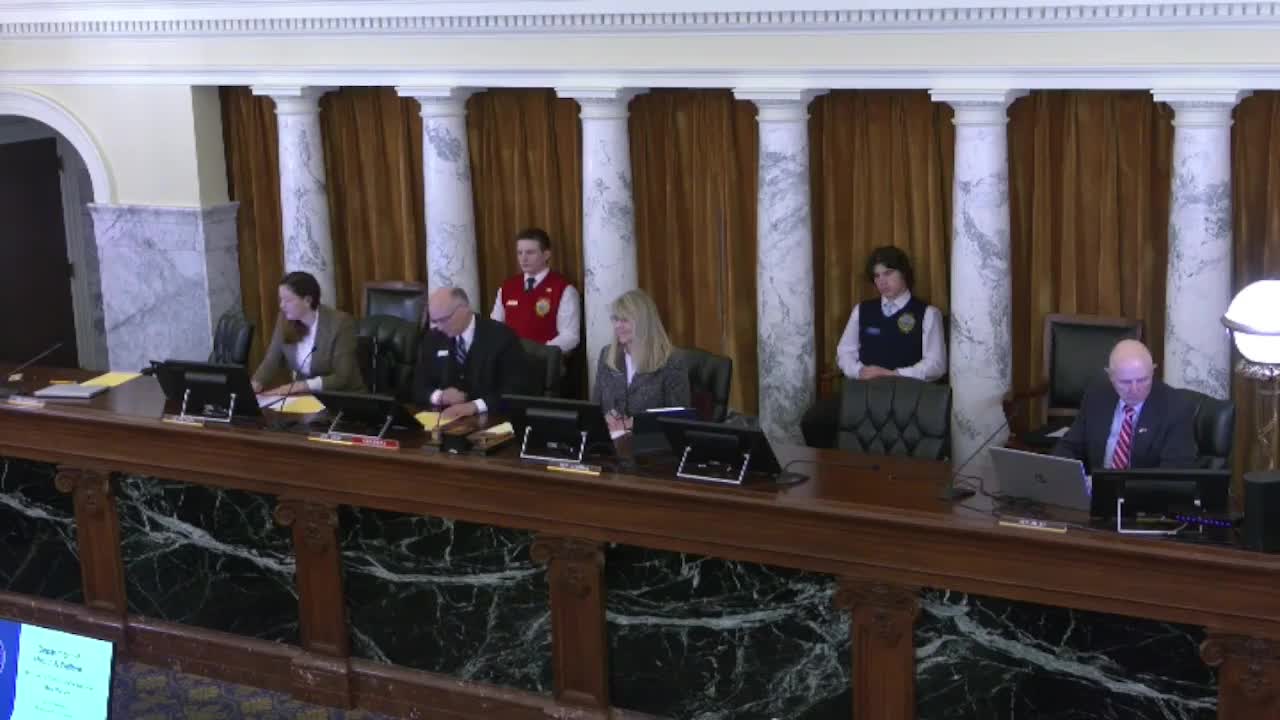
At a Joint Finance-Appropriations Committee hearing, Idaho Department of Health and Welfare leaders described a budget request to restore multiple ongoing public health programs, finish ARPA-funded data projects and fund workforce incentives including a rural physician loan-repayment program.
The Joint Finance‑Appropriations Committee heard that the Idaho Department of Health and Welfare is asking the legislature to restore ongoing funding for multiple programs in the Division of Public Health Services and to approve one‑time and ongoing enhancements for data modernizations and workforce retention.
Division budget manager Keith Bybee told committee members the division's fiscal picture reflects the downstream effects of federal COVID relief funding, and that the department is asking to restore programs that were moved from ongoing to one‑time appropriations. "This year they had 1 supplemental request, for a cancer data registry. This was a technical correction that was passed by JFAC on 01/17," Bybee said, pointing committee members to the budget book sections that list one‑time and ongoing requests.
Why it matters: The Division of Public Health Services administers programs ranging from immunizations, maternal and child health and vital records to emergency medical services, laboratory services, suicide prevention and public‑health preparedness. Changes to the division's baseline and to one‑time project funding would affect service delivery, data reporting and contracts with local public health districts and community providers.
Most important details
- Size and structure: The division's fiscal 2025 appropriation was shown as about $164.0 million; the department described a correction in spending patterns that followed large CARES Act and ARPA grants earlier in the decade. Beebe said many programs were converted from ongoing to one‑time funding, creating a…
Already have an account? Log in
Subscribe to keep reading
Unlock the rest of this article — and every article on Citizen Portal.
- Unlimited articles
- AI-powered breakdowns of topics, speakers, decisions, and budgets
- Instant alerts when your location has a new meeting
- Follow topics and more locations
- 1,000 AI Insights / month, plus AI Chat