Get Full Government Meeting Transcripts, Videos, & Alerts Forever!
Get email alerts on the Environmental Quality topic
No spam. Unsubscribe anytime.
Idaho DEQ seeks targeted pay increases to reduce permit backlogs; cites vacancies and ARPA-funded cleanup work
Summary
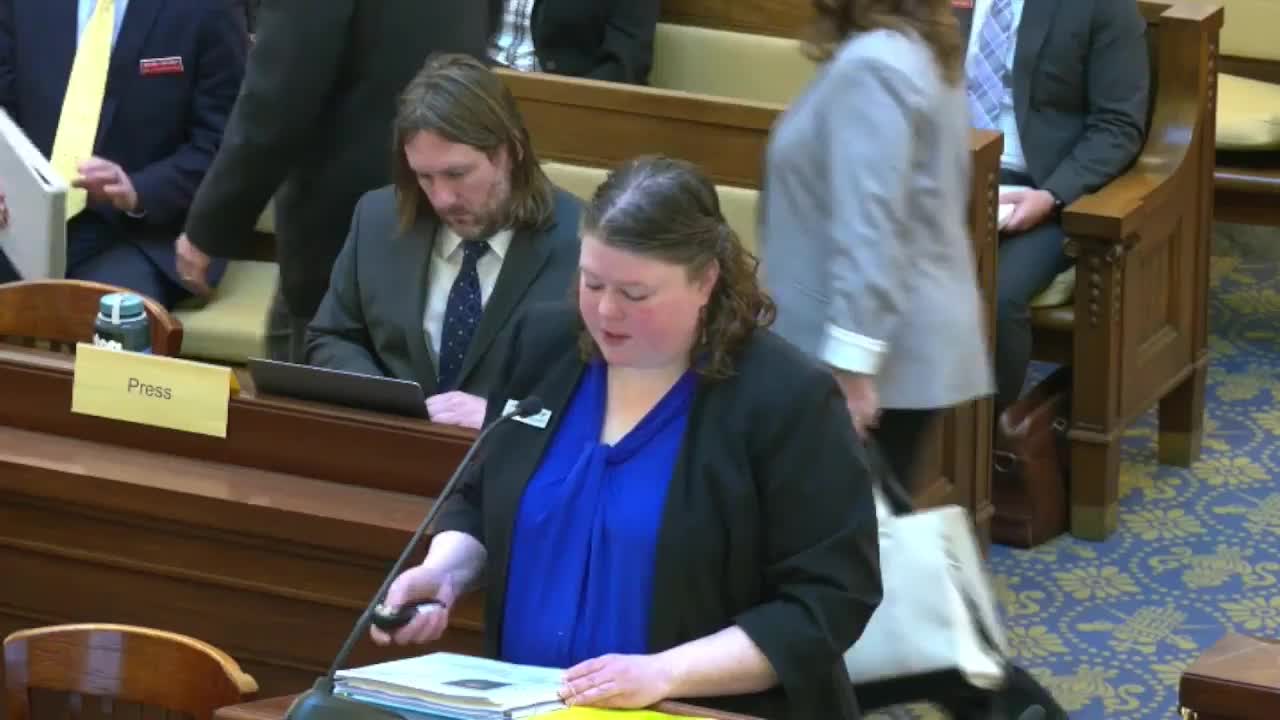
At a March legislative budget committee hearing, Jess Byrne, director of the Idaho Department of Environmental Quality, told lawmakers the agency is experiencing elevated turnover and vacancy rates that have increased the time it takes to issue permits and strained the agency’s ability to deliver services.
At a March legislative budget committee hearing, Jess Byrne, director of the Idaho Department of Environmental Quality (DEQ), told lawmakers the agency is experiencing elevated turnover and vacancy rates that have increased the time it takes to issue permits and strained the agency’s ability to deliver services.
Byrne said targeted pay increases in the governor’s budget and a separate legislative cost-of-living component (CEC) would improve recruitment and retention for technical permitting positions. He warned that persistent vacancies have led to longer permit timelines that can delay business activity and, in some cases, invite federal third-party litigation.
Staffing shortfalls and performance measures
Janet Jessup, Legislative Services budget analyst, presented DEQ’s budget materials and noted the department is allocated 385 full-time positions. Jessup said that at the time of the budget submission the agency reported about 37 vacancies (roughly a 9.7% vacancy rate) and that DEQ expended about 85% of its personnel dollars in 2024.
Byrne told the committee permitting has slowed in several programs. He said average times for air-quality permit issuance rose from about 89 days to about 160 days in recent reporting, and that turnover in technical permit roles is a primary driver: "we've seen a significant amount of turnover within...permitting programs," Byrne said. He also noted that training new technical staff can take roughly two years because of the specialized skills required.
Requested pay adjustments and rationale
Byrne described DEQ’s targeted pay proposal included in the governor’s recommendation. The plan would raise the entry-level hiring comp ratio in many classifications from the previously common 75% of the pay range to 83%, and raise the minimum for some highly competitive technical classifications to about 86%. Byrne said the proposal also includes targeted raises for current staff to address compression and equity: "When you combine the targeted increases...with a proposed CEC that this committee has already voted on, it will dramatically improve our competitiveness for the very specialized staff that make up our agency."
Byrne and committee members discussed the rationale: exit interviews show many departing employees took positions that paid roughly 20% or more higher than DEQ. Byrne said the agency’s proposal aims to reduce turnover and the backlog of outstanding permits so projects and businesses are not delayed.
ARPA funds, remediation and dedicated accounts
Jessup and Byrne also reviewed DEQ fund activity and ARPA-related awards. Jessup noted the department received state fiscal recovery funds for cleanup projects; those funds — along with other federal grants such as money from the Bipartisan Infrastructure Law — explain much of the jump in trustee-and-benefit payments in recent years because many of those dollars are grants to third parties.
Byrne described the state’s wastewater and drinking-water loan programs and the accounting practice of maintaining a water-pollution-control account that receives transfers (the committee materials cite a statutory transfer of $4.8 million into the water pollution control account). Byrne explained that part of the agency's request is to transfer $1.5 million to a basin remediation account to sustain ongoing operation and maintenance of the Bunker Hill Superfund site in northern Idaho; the DEQ has aimed over time to build roughly $45 million in that basin remediation account to support the state's 10% match obligations and ongoing O&M.
Permit impacts on business and state primacy
Committee members repeatedly asked about the real-world consequences of permit delays. Byrne said delayed permitting can slow construction and other business activity because certain air or wastewater permits are prerequisites to building or operation. He also warned about third-party lawsuits filed where the state has not timely handled enforcement or corrective orders, which can force the state and affected communities into costly litigation.
Other program details and fund explanations
Senators asked about specific lines in the DEQ fund analysis, including a past negative balance in the Waste Tire Deficiency Fund; Jessup explained deficiency fund warrants can show a negative year-end balance and must be repaid by subsequent legislative action. Byrne also said the agency has examined regulatory burdens and participates in regulatory review processes but emphasized that many regulations are driven by federal primacy requirements and public-health mandates.
Closing
Byrne closed by stressing the agency’s commitment to efficient government and the difficulty of delivering services with persistent vacancies: "Quality workers do. Making this investment in DEQ is an investment in Idaho," he said. He asked the committee to consider the targeted pay adjustments paired with the CEC to stabilize staffing levels, preserve permitting timelines and maintain state primacy of environmental programs. The committee asked DEQ to provide more detail on the targeted pay plan and other follow-ups; no formal votes were taken during the hearing.
Quotes in this article are taken verbatim from the committee transcript and attributed to the speakers who made them in committee.